Close Menu

    Subscribe to Updates

    Get the latest creative news from FooBar about art, design and business.

    What's Hot

    What if the real risk of AI isn’t deepfakes — but daily whispers?

    Anthropic’s Claude grabs top spot in App Store after Trump’s ban

    AWS Middle East Central Down, apparently struck in war

    Facebook X (Twitter) Instagram
    • Artificial Intelligence
    • Business Technology
    • Cryptocurrency
    • Gadgets
    • Gaming
    • Health
    • Software and Apps
    • Technology
    Facebook X (Twitter) Instagram Pinterest Vimeo
    Tech AI Verse
    • Home
    • Artificial Intelligence

      What the polls say about how Americans are using AI

      February 27, 2026

      Tensions between the Pentagon and AI giant Anthropic reach a boiling point

      February 21, 2026

      Read the extended transcript: President Donald Trump interviewed by ‘NBC Nightly News’ anchor Tom Llamas

      February 6, 2026

      Stocks and bitcoin sink as investors dump software company shares

      February 4, 2026

      AI, crypto and Trump super PACs stash millions to spend on the midterms

      February 2, 2026
    • Business

      These ultra-budget laptops “include” 1.2TB storage, but most of it is OneDrive trial space

      March 1, 2026

      FCC approves the merger of cable giants Cox and Charter

      February 28, 2026

      Finding value with AI and Industry 5.0 transformation

      February 28, 2026

      How Smarsh built an AI front door for regulated industries — and drove 59% self-service adoption

      February 24, 2026

      Where MENA CIOs draw the line on AI sovereignty

      February 24, 2026
    • Crypto

      Bitcoin Bear Market Could Get Worse Despite the Latest Relief Rally

      March 1, 2026

      Crypto Scammers Have Been Quiet in February, Hacks Fall by 90%

      March 1, 2026

      Vitalik Buterin Signals Major Ethereum Wallet Overhaul

      March 1, 2026

      Why is Hyperliquid Price Rallying Amid the US-Iran War

      March 1, 2026

      Arbitrum Price Under Pressure: 60 Million ARB Whale Sale Sparks ATL Fear

      March 1, 2026
    • Technology

      What if the real risk of AI isn’t deepfakes — but daily whispers?

      March 1, 2026

      Anthropic’s Claude grabs top spot in App Store after Trump’s ban

      March 1, 2026

      AWS Middle East Central Down, apparently struck in war

      March 1, 2026

      A new account made over $515,000 betting on the U.S. strike against Iran

      March 1, 2026

      January in Servo: preloads, better forms, details styling, and more

      March 1, 2026
    • Others
      • Gadgets
      • Gaming
      • Health
      • Software and Apps
    Check BMI
    Tech AI Verse
    You are at:Home»Technology»4 technologies that could power the future of energy
    Technology

    4 technologies that could power the future of energy

    TechAiVerseBy TechAiVerseMarch 20, 2025No Comments5 Mins Read2 Views
    Facebook Twitter Pinterest Telegram LinkedIn Tumblr Email Reddit
    4 technologies that could power the future of energy
    Share
    Facebook Twitter LinkedIn Pinterest WhatsApp Email

    4 technologies that could power the future of energy

    Where can you find lasers, electric guitars, and racks full of novel batteries, all in the same giant room? This week, the answer was the 2025 ARPA-E Energy Innovation Summit just outside Washington, DC.

    Energy innovation can take many forms, and the variety in energy research was on display at the summit. ARPA-E, part of the US Department of Energy, provides funding for high-risk, high-reward research projects. The summit gathers projects the agency has funded, along with investors, policymakers, and journalists.

    Hundreds of projects were exhibited in a massive hall during the conference, featuring demonstrations and research results. Here are four of the most interesting innovations MIT Technology Review spotted on site. 

    Steel made with lasers

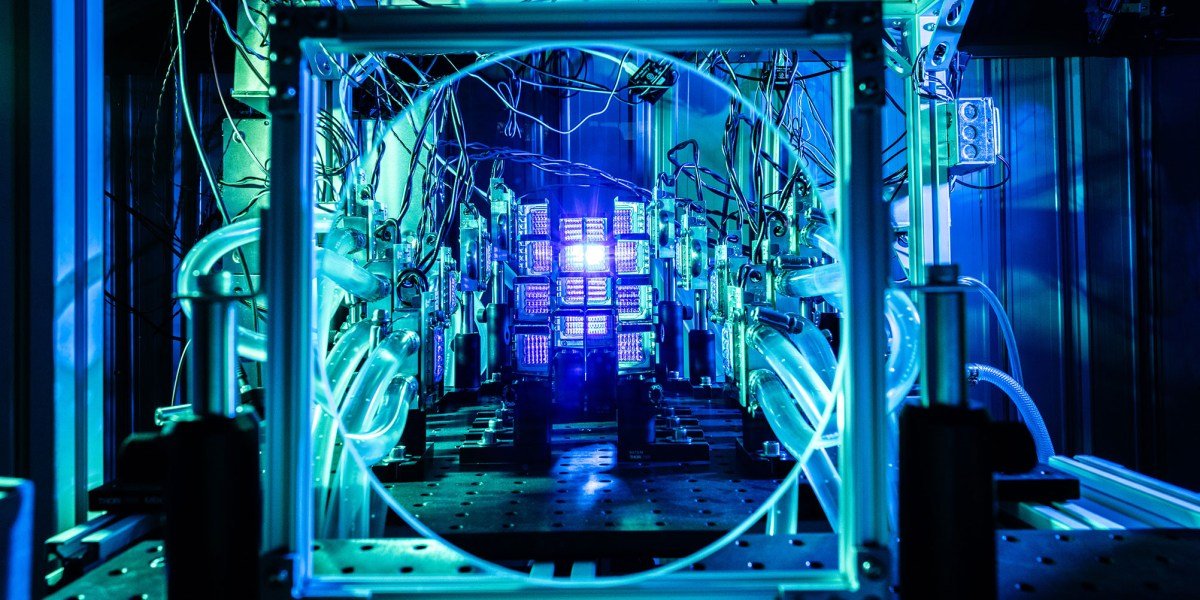
    Startup Limelight Steel has developed a process to make iron, the main component in steel, by using lasers to heat iron ore to super-high temperatures. 

    Steel production makes up roughly 8% of global greenhouse gas emissions today, in part because most steel is still made with blast furnaces, which rely on coal to hit the high temperatures that kick off the required chemical reactions. 

    Limelight instead shines lasers on iron ore, heating it to temperatures over 1,600 °C. Molten iron can then be separated from impurities, and the iron can be put through existing processes to make steel. 

    The company has built a small demonstration system with a laser power of about 1.5 kilowatts, which can process between 10 and 20 grams of ore. The whole system is made up of 16 laser arrays, each just a bit larger than a postage stamp.

    The components in the demonstration system are commercially available; this particular type of laser is used in projectors. The startup has benefited from years of progress in the telecommunications industry that has helped bring down the cost of lasers, says Andy Zhao, the company’s cofounder and CTO. 

    The next step is to build a larger-scale system that will use 150 kilowatts of laser power and could make up to 100 tons of steel over the course of a year.

    Rocks that can make fuel

    The hunks of rock at a booth hosted by MIT might not seem all that high-tech, but someday they could help produce fuels and chemicals. 

    A major topic of conversation at the ARPA-E summit was geologic hydrogen—there’s a ton of excitement about efforts to find underground deposits of the gas, which can be used as a fuel across a wide range of industries, including transportation and heavy industry. 

    Last year, ARPA-E funded a handful of projects on the topic, including one in Iwnetim Abate’s lab at MIT. Abate is among the researchers who are aiming not just to hunt for hydrogen, but to actually use underground conditions to help produce it. Earlier this year, his team published research showing that by using catalysts and conditions common in the subsurface, scientists can produce hydrogen as well as other chemicals, like ammonia. Abate cofounded a spinout company, Addis Energy, to commercialize the research, which has since also received ARPA-E funding. 

    All the rocks on the table, from the chunk of dark, hard basalt to the softer talc, could be used to produce these chemicals. 

    An electric guitar powered by iron nitride magnets

    The sound of music drifted from the Niron Magnetics booth across nearby walkways. People wandering by stopped to take turns testing out the company’s magnets, in the form of an electric guitar. 

    Most high-powered magnets today contain neodymium—demand for them is set to skyrocket in the coming years, especially as the world builds more electric vehicles and wind turbines. Supplies could stretch thin, and the geopolitics are complicated because most of the supply comes from China. 

    Niron is making new magnets that don’t contain rare earth metals. Instead, Niron’s technology is based on more abundant materials: nitrogen and iron. 

    The guitar is a demonstration product—today, magnets in electric guitars typically contain aluminum, nickel, and cobalt-based magnets that help translate the vibrations from steel strings into an electric signal that is broadcast through an amplifier. Niron made an instrument using its iron nitride magnets instead. (See photos of the guitar from an event last year here.)

    Niron opened a pilot commercial facility in late 2024 that has the capacity to produce 10 tons of magnets annually. Since we last covered Niron, in early 2024, the company has announced plans for a full-scale plant, which will have an annual capacity of about 1,500 tons of magnets once it’s fully ramped up. 

    The company is making sodium-ion batteries to help meet power demand from data centers. 

    Data centers’ energy demands can be incredibly variable—and as their total power needs get bigger, those swings can start to affect the grid. Natron’s sodium-ion batteries can be installed at these facilities to help level off the biggest peaks, allowing computing equipment to run full out without overly taxing the grid, says Natron cofounder and CTO Colin Wessells. 

    Sodium-ion batteries are a cheaper alternative to lithium-based chemistries. They’re also made without lithium, cobalt, and nickel, materials that are constrained in production or processing. We’re seeing some varieties of sodium-ion batteries popping up in electric vehicles in China.

    Natron opened a production line in Michigan last year, and the company plans to open a $1.4 billion factory in North Carolina. 

    Share. Facebook Twitter Pinterest LinkedIn Reddit WhatsApp Telegram Email
    Previous ArticleThe Download: US aid disruptions, and imagining the future
    Next Article The elephant in the room for energy tech? Uncertainty.
    TechAiVerse
    • Website

    Jonathan is a tech enthusiast and the mind behind Tech AI Verse. With a passion for artificial intelligence, consumer tech, and emerging innovations, he deliver clear, insightful content to keep readers informed. From cutting-edge gadgets to AI advancements and cryptocurrency trends, Jonathan breaks down complex topics to make technology accessible to all.

    Related Posts

    What if the real risk of AI isn’t deepfakes — but daily whispers?

    March 1, 2026

    Anthropic’s Claude grabs top spot in App Store after Trump’s ban

    March 1, 2026

    AWS Middle East Central Down, apparently struck in war

    March 1, 2026
    Leave A Reply Cancel Reply

    Top Posts

    Ping, You’ve Got Whale: AI detection system alerts ships of whales in their path

    April 22, 2025699 Views

    Lumo vs. Duck AI: Which AI is Better for Your Privacy?

    July 31, 2025282 Views

    6.7 Cummins Lifter Failure: What Years Are Affected (And Possible Fixes)

    April 14, 2025162 Views

    6 Best MagSafe Phone Grips (2025), Tested and Reviewed

    April 6, 2025124 Views
    Don't Miss
    Technology March 1, 2026

    What if the real risk of AI isn’t deepfakes — but daily whispers?

    What if the real risk of AI isn’t deepfakes — but daily whispers? Vercel Security…

    Anthropic’s Claude grabs top spot in App Store after Trump’s ban

    AWS Middle East Central Down, apparently struck in war

    A new account made over $515,000 betting on the U.S. strike against Iran

    Stay In Touch
    • Facebook
    • Twitter
    • Pinterest
    • Instagram
    • YouTube
    • Vimeo

    Subscribe to Updates

    Get the latest creative news from SmartMag about art & design.

    About Us
    About Us

    Welcome to Tech AI Verse, your go-to destination for everything technology! We bring you the latest news, trends, and insights from the ever-evolving world of tech. Our coverage spans across global technology industry updates, artificial intelligence advancements, machine learning ethics, and automation innovations. Stay connected with us as we explore the limitless possibilities of technology!

    Facebook X (Twitter) Pinterest YouTube WhatsApp
    Our Picks

    What if the real risk of AI isn’t deepfakes — but daily whispers?

    March 1, 20261 Views

    Anthropic’s Claude grabs top spot in App Store after Trump’s ban

    March 1, 20263 Views

    AWS Middle East Central Down, apparently struck in war

    March 1, 20260 Views
    Most Popular

    7 Best Kids Bikes (2025): Mountain, Balance, Pedal, Coaster

    March 13, 20250 Views

    VTOMAN FlashSpeed 1500: Plenty Of Power For All Your Gear

    March 13, 20250 Views

    Best TV Antenna of 2025

    March 13, 20250 Views
    © 2026 TechAiVerse. Designed by Divya Tech.
    • Home
    • About Us
    • Contact Us
    • Privacy Policy
    • Terms & Conditions

    Type above and press Enter to search. Press Esc to cancel.