Close Menu

    Subscribe to Updates

    Get the latest creative news from FooBar about art, design and business.

    What's Hot

    Need Your Mac Screen to Stay On? Simple Ways to Stop Sleep Mode

    What’s So Different About a Smart Outdoor TV?

    How to Connect AirPods to a MacBook Air and Fix Common Pairing Problems

    Facebook X (Twitter) Instagram
    • Artificial Intelligence
    • Business Technology
    • Cryptocurrency
    • Gadgets
    • Gaming
    • Health
    • Software and Apps
    • Technology
    Facebook X (Twitter) Instagram Pinterest Vimeo
    Tech AI Verse
    • Home
    • Artificial Intelligence

      What the polls say about how Americans are using AI

      February 27, 2026

      Tensions between the Pentagon and AI giant Anthropic reach a boiling point

      February 21, 2026

      Read the extended transcript: President Donald Trump interviewed by ‘NBC Nightly News’ anchor Tom Llamas

      February 6, 2026

      Stocks and bitcoin sink as investors dump software company shares

      February 4, 2026

      AI, crypto and Trump super PACs stash millions to spend on the midterms

      February 2, 2026
    • Business

      These ultra-budget laptops “include” 1.2TB storage, but most of it is OneDrive trial space

      March 1, 2026

      FCC approves the merger of cable giants Cox and Charter

      February 28, 2026

      Finding value with AI and Industry 5.0 transformation

      February 28, 2026

      How Smarsh built an AI front door for regulated industries — and drove 59% self-service adoption

      February 24, 2026

      Where MENA CIOs draw the line on AI sovereignty

      February 24, 2026
    • Crypto

      Bitcoin Bear Market Could Get Worse Despite the Latest Relief Rally

      March 1, 2026

      Crypto Scammers Have Been Quiet in February, Hacks Fall by 90%

      March 1, 2026

      Vitalik Buterin Signals Major Ethereum Wallet Overhaul

      March 1, 2026

      Why is Hyperliquid Price Rallying Amid the US-Iran War

      March 1, 2026

      Arbitrum Price Under Pressure: 60 Million ARB Whale Sale Sparks ATL Fear

      March 1, 2026
    • Technology

      Need Your Mac Screen to Stay On? Simple Ways to Stop Sleep Mode

      March 3, 2026

      What’s So Different About a Smart Outdoor TV?

      March 3, 2026

      How to Connect AirPods to a MacBook Air and Fix Common Pairing Problems

      March 3, 2026

      Oppo Find N6 shown globally with ‘least noticeable foldable crease’

      March 2, 2026

      Motorola to deliver privacy-focused phones by offering GrapheneOS as alternative to Android

      March 2, 2026
    • Others
      • Gadgets
      • Gaming
      • Health
      • Software and Apps
    Check BMI
    Tech AI Verse
    You are at:Home»Technology»Google’s Colossus internal storage system still relies on HDDs for storing most of its data
    Technology

    Google’s Colossus internal storage system still relies on HDDs for storing most of its data

    TechAiVerseBy TechAiVerseMarch 28, 2025No Comments3 Mins Read2 Views
    Facebook Twitter Pinterest Telegram LinkedIn Tumblr Email Reddit
    Google’s Colossus internal storage system still relies on HDDs for storing most of its data
    Share
    Facebook Twitter LinkedIn Pinterest WhatsApp Email

    Google’s Colossus internal storage system still relies on HDDs for storing most of its data

    Serving tech enthusiasts for over 25 years.

    TechSpot means tech analysis and advice you can trust.

    Editor’s take: In Colossus: The Forbin Project, an advanced supercomputer becomes sentient and enslaves humankind. Colossus is also the name of the storage platform where almost all of Google’s internet services reside. Though we don’t know if the company took direct inspiration from the classic sci-fi movie, the connotations are still present.

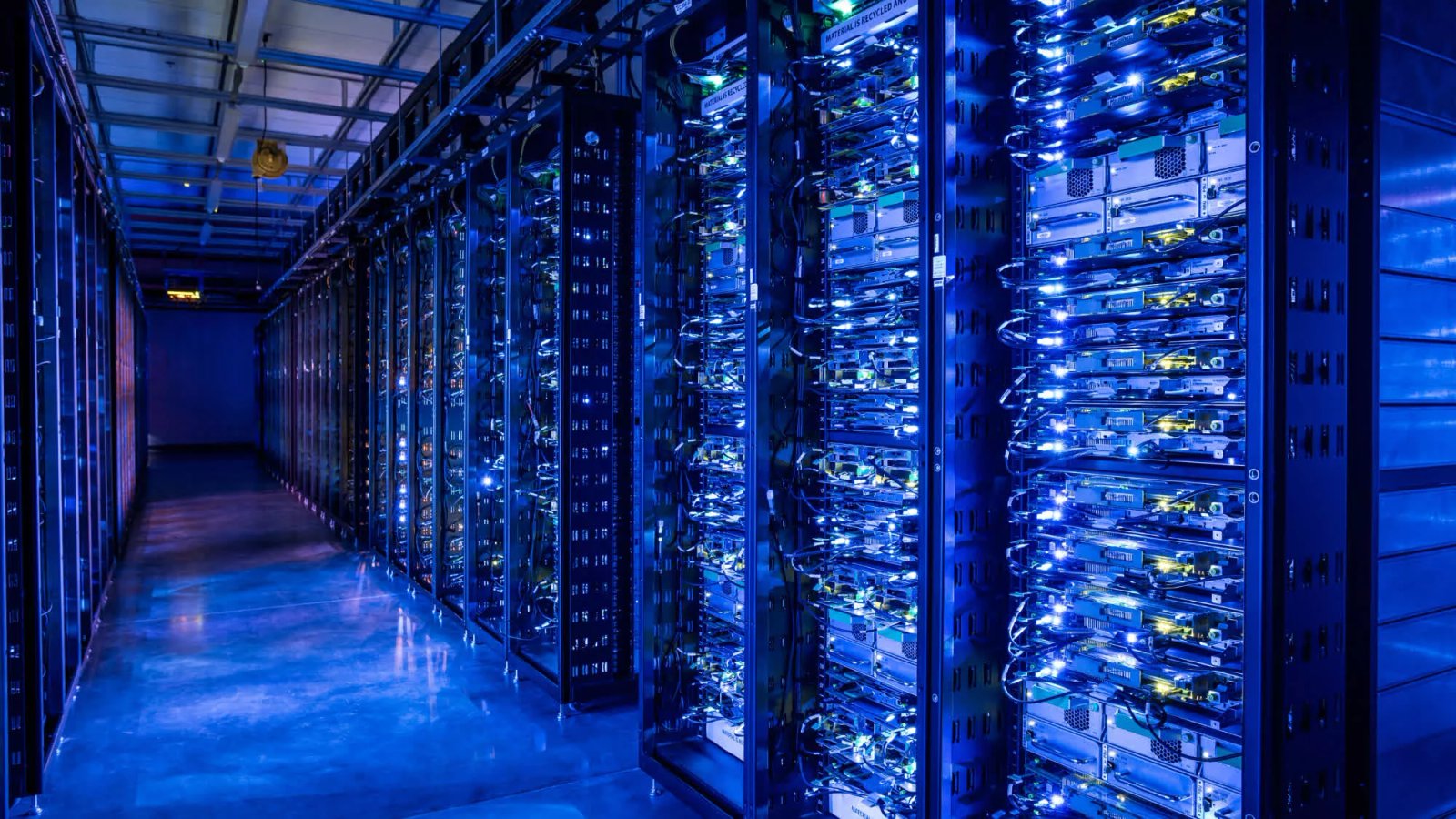
    In a recent blog post, Google revealed some of the “secrets” hiding behind Colossus, a massive network infrastructure the company describes as its universal storage platform. Colossus is robust, scalable, and easy to use and program. Google said the massive machine still uses tried-and-true (yet still evolving) magnetic hard disk drives.

    Colossus powers many Google services, including YouTube, Gmail, Drive, and more. The platform evolved from the Google File System project, a distributed storage system for managing large, data-intensive applications, making things more manageable. Surprisingly, Google supercharged Colossus by installing an exclusive cache technology that relies on fast solid-state drives.

    Google builds one Colossus file system per cluster in a data center. Many of these clusters are powerful enough to manage multiple exabytes of storage, with two file systems, in particular, hosting more than 10 exabytes of data each. The company claims that Google-powered applications or services should never run out of disk space within a Google Cloud zone.

    The data throughput in a Colossus file system is impressive. Google claims that the largest clusters “regularly” exceed read rates of 50 terabytes per second, while write rates are up to 25 terabytes per second.

    “This is enough throughput to send more than 100 full-length 8K movies every second,” the company said.

    Storing data in the right place is essential for achieving this kind of over-the-top performance. Colossus internal users can dictate if their files need to go to an HDD or an SSD, but most developers employ an automated solution known as L4 distributed SSD caching. This technology uses machine learning algorithms to decide what policy to apply to specific data blocks. However, the system eventually writes any new data to the HDDs.

    The L4 caching tech can (partially) solve this problem over time by observing I/O patterns, segregating files into specific “categories,” and simulating different storage placements. According to Google’s documentation, these storage policies include “place on SSD for one hour,” “place on SSD for two hours,” and “don’t place on SSD.”

    When simulations correctly predict the file access patterns, a small portion of data is put on SSDs to absorb most initial read operations. Data is eventually migrated to cheaper storage (HDDs) to minimize the overall hosting cost.

    “As the basis for all of Google and Google Cloud, Colossus is instrumental in delivering reliable services for billions of users, and its sophisticated SSD placement capabilities help keep costs down and performance up while automatically adapting to changes in workload,” the company said. “We’re proud of the system we’ve built so far and look forward to continuing to improve the scale, sophistication, and performance.”

    Share. Facebook Twitter Pinterest LinkedIn Reddit WhatsApp Telegram Email
    Previous ArticleFormer PlayStation CEO says he left Sony partially because of shift to live-service models
    Next Article Roborock Saros 10 review: a robot vacuum evolution
    TechAiVerse
    • Website

    Jonathan is a tech enthusiast and the mind behind Tech AI Verse. With a passion for artificial intelligence, consumer tech, and emerging innovations, he deliver clear, insightful content to keep readers informed. From cutting-edge gadgets to AI advancements and cryptocurrency trends, Jonathan breaks down complex topics to make technology accessible to all.

    Related Posts

    Need Your Mac Screen to Stay On? Simple Ways to Stop Sleep Mode

    March 3, 2026

    What’s So Different About a Smart Outdoor TV?

    March 3, 2026

    How to Connect AirPods to a MacBook Air and Fix Common Pairing Problems

    March 3, 2026
    Leave A Reply Cancel Reply

    Top Posts

    Ping, You’ve Got Whale: AI detection system alerts ships of whales in their path

    April 22, 2025702 Views

    Lumo vs. Duck AI: Which AI is Better for Your Privacy?

    July 31, 2025285 Views

    6.7 Cummins Lifter Failure: What Years Are Affected (And Possible Fixes)

    April 14, 2025164 Views

    6 Best MagSafe Phone Grips (2025), Tested and Reviewed

    April 6, 2025124 Views
    Don't Miss
    Technology March 3, 2026

    Need Your Mac Screen to Stay On? Simple Ways to Stop Sleep Mode

    Need Your Mac Screen to Stay On? Simple Ways to Stop Sleep Mode If you…

    What’s So Different About a Smart Outdoor TV?

    How to Connect AirPods to a MacBook Air and Fix Common Pairing Problems

    Oppo Find N6 shown globally with ‘least noticeable foldable crease’

    Stay In Touch
    • Facebook
    • Twitter
    • Pinterest
    • Instagram
    • YouTube
    • Vimeo

    Subscribe to Updates

    Get the latest creative news from SmartMag about art & design.

    About Us
    About Us

    Welcome to Tech AI Verse, your go-to destination for everything technology! We bring you the latest news, trends, and insights from the ever-evolving world of tech. Our coverage spans across global technology industry updates, artificial intelligence advancements, machine learning ethics, and automation innovations. Stay connected with us as we explore the limitless possibilities of technology!

    Facebook X (Twitter) Pinterest YouTube WhatsApp
    Our Picks

    Need Your Mac Screen to Stay On? Simple Ways to Stop Sleep Mode

    March 3, 20262 Views

    What’s So Different About a Smart Outdoor TV?

    March 3, 20262 Views

    How to Connect AirPods to a MacBook Air and Fix Common Pairing Problems

    March 3, 20262 Views
    Most Popular

    7 Best Kids Bikes (2025): Mountain, Balance, Pedal, Coaster

    March 13, 20250 Views

    VTOMAN FlashSpeed 1500: Plenty Of Power For All Your Gear

    March 13, 20250 Views

    Best TV Antenna of 2025

    March 13, 20250 Views
    © 2026 TechAiVerse. Designed by Divya Tech.
    • Home
    • About Us
    • Contact Us
    • Privacy Policy
    • Terms & Conditions

    Type above and press Enter to search. Press Esc to cancel.