Close Menu

    Subscribe to Updates

    Get the latest creative news from FooBar about art, design and business.

    What's Hot

    Airbnb says a third of its customer support is now handled by AI in the US and Canada

    Fintech lending giant Figure confirms data breach

    Why top talent is walking away from OpenAI and xAI

    Facebook X (Twitter) Instagram
    • Artificial Intelligence
    • Business Technology
    • Cryptocurrency
    • Gadgets
    • Gaming
    • Health
    • Software and Apps
    • Technology
    Facebook X (Twitter) Instagram Pinterest Vimeo
    Tech AI Verse
    • Home
    • Artificial Intelligence

      Read the extended transcript: President Donald Trump interviewed by ‘NBC Nightly News’ anchor Tom Llamas

      February 6, 2026

      Stocks and bitcoin sink as investors dump software company shares

      February 4, 2026

      AI, crypto and Trump super PACs stash millions to spend on the midterms

      February 2, 2026

      To avoid accusations of AI cheating, college students are turning to AI

      January 29, 2026

      ChatGPT can embrace authoritarian ideas after just one prompt, researchers say

      January 24, 2026
    • Business

      The HDD brand that brought you the 1.8-inch, 2.5-inch, and 3.5-inch hard drives is now back with a $19 pocket-sized personal cloud for your smartphones

      February 12, 2026

      New VoidLink malware framework targets Linux cloud servers

      January 14, 2026

      Nvidia Rubin’s rack-scale encryption signals a turning point for enterprise AI security

      January 13, 2026

      How KPMG is redefining the future of SAP consulting on a global scale

      January 10, 2026

      Top 10 cloud computing stories of 2025

      December 22, 2025
    • Crypto

      How Polymarket Is Turning Bitcoin Volatility Into a Five-Minute Betting Market

      February 13, 2026

      Israel Indicts Two Over Secret Bets on Military Operations via Polymarket

      February 13, 2026

      Binance’s October 10 Defense at Consensus Hong Kong Falls Flat

      February 13, 2026

      Argentina Congress Strips Workers’ Right to Choose Digital Wallet Deposits

      February 13, 2026

      Monero Price Breakdown Begins? Dip Buyers Now Fight XMR’s Drop to $135

      February 13, 2026
    • Technology

      Airbnb says a third of its customer support is now handled by AI in the US and Canada

      February 14, 2026

      Fintech lending giant Figure confirms data breach

      February 14, 2026

      Why top talent is walking away from OpenAI and xAI

      February 14, 2026

      Sex toys maker Tenga says hacker stole customer information

      February 14, 2026

      OpenAI removes access to sycophancy-prone GPT-4o model

      February 14, 2026
    • Others
      • Gadgets
      • Gaming
      • Health
      • Software and Apps
    Check BMI
    Tech AI Verse
    You are at:Home»Gaming»What devs need to succeed in the Chinese games market
    Gaming

    What devs need to succeed in the Chinese games market

    TechAiVerseBy TechAiVerseNovember 24, 2025No Comments6 Mins Read3 Views
    Facebook Twitter Pinterest Telegram LinkedIn Tumblr Email Reddit
    What devs need to succeed in the Chinese games market
    Share
    Facebook Twitter LinkedIn Pinterest WhatsApp Email

    What devs need to succeed in the Chinese games market

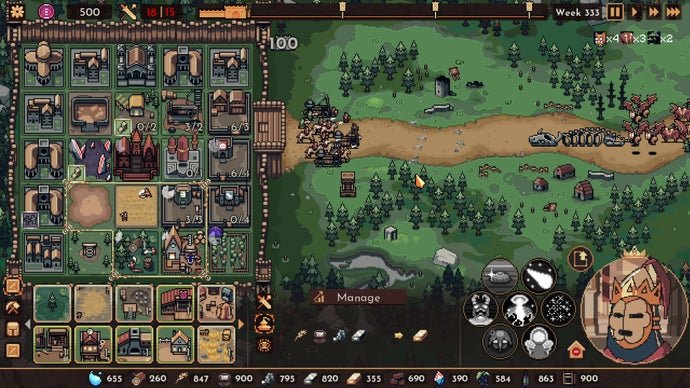
    TinyBuild’s Jingtong Zhu shares first-hand insights on localisation and navigating the games market in China

    Image credit: Hypnohead/TinyBuild

    China is now one of the largest PC gaming markets globally, with recent Steam data indicating that 33.7% of users set Simplified Chinese as their primary language (just behind English at 33.5%).

    The opportunity is huge, but navigating such a large market can be intimidating for developers.

    GamesIndustry.biz spoke with TinyBuild producer and Chinese marketing expert Jingtong Zhu to discover what game makers need to consider in order to appeal to China’s huge and diverse market, and how to ensure a game is localised to be respectful to Chinese culture.

    TinyBuild has utilised these methods to market recent releases, including Hypnohead’s The King is Watching, Niceplay Games’ Potion Craft, and Not Games’ Not for Broadcast.

    How can developers ensure a game is translated and localised in a way that’s respectful of Chinese culture?

    Ideally, arrange playtests with Chinese players to gather direct feedback. For example, with The King Is Watching we ran both paid and community playtests in China prior to launch, which helped us spot localisation and cultural issues early.

    If your game references Chinese culture or history, consult trusted partners (friends, your China publisher, or your localisation team) to ensure the content feels authentic and respectful.

    We also highly recommend running localisation QA if possible, as this helps catch not only translation errors but also tone, cultural nuances, and in-game integration issues that might otherwise be overlooked.

    How can a developer find reputable firms to work with on localisation?

    Look for localisation firms that have worked on games similar to yours. Word-of-mouth recommendations from other developers are often reliable. Before committing, check Steam reviews of titles in their portfolio to see how players perceive the localisation quality in your target languages.

    What do developers need to consider in order to succeed in the Chinese market?

    To succeed in the Chinese market, developers need to approach marketing separately from their global campaigns.

    This is because China uses different social media platforms from the rest of the world and the majority of players prefer viewing content in Chinese compared to English, which means the content released globally might not reach Chinese audiences at all.

    On Steam specifically, the platform limits your game’s visibility to Chinese users if it isn’t localized into Chinese (as it does for other languages), making it essential to translate your public playables (playtests and demos) and marketing materials as early as possible.

    Another important factor is the community. Chinese players don’t use Discord, so they often can’t find an effective way to communicate with devs from other countries, whether it’s to learn about the game’s updates or report issues.

    At the same time, Chinese players appreciate frequent and transparent communication from dev teams. Steam Community can be a good platform to help bridge this gap. Translating major Steam announcements goes a long way in building trust and rapport.

    Not For Broadcast | Image credit: NotGames/TinyBuild

    China has strict censorship laws on games – what game elements can attract government criticism?

    On Steam, the rules in general are pretty relaxed. The main risks are direct references to politics, history, or controversial current events. More often, pushback comes from the community rather than the government.

    How does the overall demographic of players differ in China, and what should developers consider when localising their game to fit that mould?

    China is a huge and diverse market, and there’s an audience for almost every genre.

    While mobile and free-to-play titles still dominate the market, the number of PC and console players has grown rapidly in the past five years. Many of them came from free-to-play/mobile. This means players are more used to direct communication with the dev teams and frequent updates.

    In addition to this free-to-play/mobile gaming background, because of the language barrier and the lack of direct communication channels with developers mentioned above, there is often a mismatch between player expectations and what a game delivers.

    One byproduct is that Chinese players tend to leave more negative reviews on average compared to other regions. While this is a cultural thing, it could also be managed and improved through communication and localisation – not just the game, but also community posts, marketing assets, trailers, etc.

    Having a partner – whether it’s a publisher with a strong presence in China, or a trustworthy marketing/PR agency – to help with marketing and community management can also be useful in this regard, especially for smaller dev teams.

    What kind of games go over well in the Chinese market? Are there any specific genres or art styles that tend to succeed?

    Chinese players show strong interest in genres like simulation, management, life sims, deckbuilders, and autobattlers. Features such as roguelike mechanics, co-op modes, anime-inspired art styles, and Asian cultural references also resonate well with players.

    Compared to Western audiences, Chinese players are often more open to games that look ‘indie’ and don’t necessarily expect AAA-level polish, as long as the concept and gameplay feel fresh and engaging.

    A good way to benchmark your game’s potential in China is to look at competitor titles on Steam. If their Simplified Chinese reviews account for over 20% of total reviews, or rank in the top two languages, that’s a reliable signal that your game may also have strong appeal in China.

    Potion Craft | Image credit: Niceplay Games/TinyBuild

    Which Western games have been particularly successful at transitioning to the market?

    Western games that invest in high-quality localisation and maintain active communication with their Chinese audience often see success in the region. AAA titles such as Baldur’s Gate 3, Split Fiction, and Kingdom Come: Deliverance 2 received impressive sales and review scores.

    In recent years, indie games have also performed very well as more studios recognise the potential of the Chinese market. At TinyBuild, some of our most successful releases in China have been The King Is Watching, Potion Craft, and Not For Broadcast.

    Is it beneficial for indie devs to partner with a large Chinese publisher (such as Tencent or NetEase) or a smaller firm?

    For indie developers, it often makes more sense to work with regional publishers that have experience with premium and indie titles. [This is because] the mainstream of the Chinese industry is still very focused on mobile and free-to-play, which follows a different business model.

    These days, having a publishing or marketing partner in China is common practice for games of all sizes, and there are many reliable teams with strong track records that can provide tailored support for indie projects.

    Share. Facebook Twitter Pinterest LinkedIn Reddit WhatsApp Telegram Email
    Previous ArticleRedhill Games to start restructuring program “in the near future”
    Next Article Amazon quietly blocks more of OpenAI’s ChatGPT web crawlers from accessing its site
    TechAiVerse
    • Website

    Jonathan is a tech enthusiast and the mind behind Tech AI Verse. With a passion for artificial intelligence, consumer tech, and emerging innovations, he deliver clear, insightful content to keep readers informed. From cutting-edge gadgets to AI advancements and cryptocurrency trends, Jonathan breaks down complex topics to make technology accessible to all.

    Related Posts

    Resident Evil Requiem shows how sequels can drive sales of previous releases

    February 13, 2026

    Rogue Point aims to prove old school is the new cool with a back-to-basics shooter

    February 13, 2026

    Nexon revenue rises 6.5% to $3.1bn in 2025, driven by ongoing success of Arc Raiders

    February 13, 2026
    Leave A Reply Cancel Reply

    Top Posts

    Ping, You’ve Got Whale: AI detection system alerts ships of whales in their path

    April 22, 2025670 Views

    Lumo vs. Duck AI: Which AI is Better for Your Privacy?

    July 31, 2025259 Views

    6.7 Cummins Lifter Failure: What Years Are Affected (And Possible Fixes)

    April 14, 2025153 Views

    6 Best MagSafe Phone Grips (2025), Tested and Reviewed

    April 6, 2025112 Views
    Don't Miss
    Technology February 14, 2026

    Airbnb says a third of its customer support is now handled by AI in the US and Canada

    Airbnb says a third of its customer support is now handled by AI in the…

    Fintech lending giant Figure confirms data breach

    Why top talent is walking away from OpenAI and xAI

    Sex toys maker Tenga says hacker stole customer information

    Stay In Touch
    • Facebook
    • Twitter
    • Pinterest
    • Instagram
    • YouTube
    • Vimeo

    Subscribe to Updates

    Get the latest creative news from SmartMag about art & design.

    About Us
    About Us

    Welcome to Tech AI Verse, your go-to destination for everything technology! We bring you the latest news, trends, and insights from the ever-evolving world of tech. Our coverage spans across global technology industry updates, artificial intelligence advancements, machine learning ethics, and automation innovations. Stay connected with us as we explore the limitless possibilities of technology!

    Facebook X (Twitter) Pinterest YouTube WhatsApp
    Our Picks

    Airbnb says a third of its customer support is now handled by AI in the US and Canada

    February 14, 20262 Views

    Fintech lending giant Figure confirms data breach

    February 14, 20262 Views

    Why top talent is walking away from OpenAI and xAI

    February 14, 20261 Views
    Most Popular

    7 Best Kids Bikes (2025): Mountain, Balance, Pedal, Coaster

    March 13, 20250 Views

    VTOMAN FlashSpeed 1500: Plenty Of Power For All Your Gear

    March 13, 20250 Views

    This new Roomba finally solves the big problem I have with robot vacuums

    March 13, 20250 Views
    © 2026 TechAiVerse. Designed by Divya Tech.
    • Home
    • About Us
    • Contact Us
    • Privacy Policy
    • Terms & Conditions

    Type above and press Enter to search. Press Esc to cancel.