

How AI is uncovering hidden geothermal energy resources
Sometimes geothermal hot spots are obvious, marked by geysers and hot springs on the planet’s surface. But in other places, they’re obscured thousands of feet underground. Now AI could help uncover these hidden pockets of potential power.
A startup company called Zanskar announced today that it’s used AI and other advanced computational methods to uncover a blind geothermal system—meaning there aren’t signs of it on the surface—in the western Nevada desert. The company says it’s the first blind system that’s been identified and confirmed to be a commercial prospect in over 30 years.
Historically, finding new sites for geothermal power was a matter of brute force. Companies spent a lot of time and money drilling deep wells, looking for places where it made sense to build a plant.
Zanskar’s approach is more precise. With advancements in AI, the company aims to “solve this problem that had been unsolvable for decades, and go and finally find those resources and prove that they’re way bigger than previously thought,” says Carl Hoiland, the company’s cofounder and CEO.
To support a successful geothermal power plant, a site needs high temperatures at an accessible depth and space for fluid to move through the rock and deliver heat. In the case of the new site, which the company calls Big Blind, the prize is a reservoir that reaches 250 °F at about 2,700 feet below the surface.
As electricity demand rises around the world, geothermal systems like this one could provide a source of constant power without emitting the greenhouse gases that cause climate change.
The company has used its technology to identify many potential hot spots. “We have dozens of sites that look just like this,” says Joel Edwards, Zanskar’s cofounder and CTO. But for Big Blind, the team has done the fieldwork to confirm its model’s predictions.
The first step to identifying a new site is to use regional AI models to search large areas. The team trains models on known hot spots and on simulations it creates. Then it feeds in geological, satellite, and other types of data, including information about fault lines. The models can then predict where potential hot spots might be.
A location I care about is.
One strength of using AI for this task is that it can handle the immense complexity of the information at hand. “If there’s something learnable in the earth, even if it’s a very complex phenomenon that’s hard for us humans to understand, neural nets are capable of learning that, if given enough data,” Hoiland says.
Once models identify a potential hot spot, a field crew heads to the site, which might be roughly 100 square miles or so, and collects additional information through techniques that include drilling shallow holes to look for elevated underground temperatures.
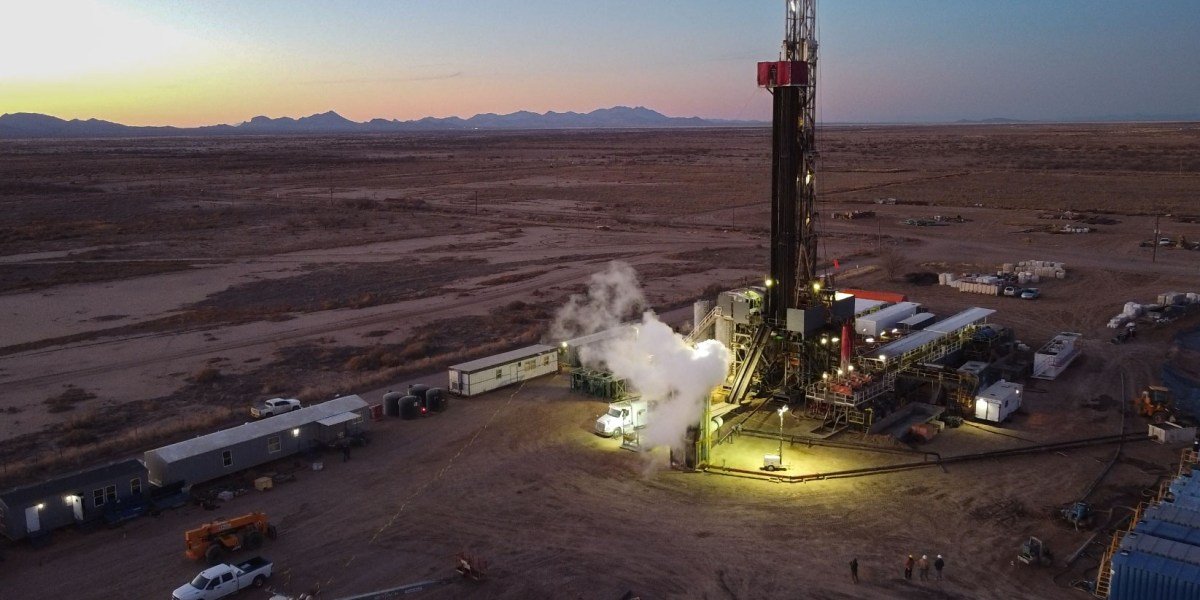
In the case of Big Blind, this prospecting information gave the company enough confidence to purchase a federal lease, allowing it to develop a geothermal plant. With that lease secured, the team returned with large drill rigs and drilled thousands of feet down in July and August. The workers found the hot, permeable rock they expected.
Next they must secure permits to build and connect to the grid and line up the investments needed to build the plant. The team will also continue testing at the site, including long-term testing to track heat and water flow.
“There’s a tremendous need for methodology that can look for large-scale features,” says John McLennan, technical lead for resource management at Utah FORGE, a national lab field site for geothermal energy funded by the US Department of Energy. The new discovery is “promising,” McLennan adds.
Big Blind is Zanskar’s first confirmed discovery that wasn’t previously explored or developed, but the company has used its tools for other geothermal exploration projects. Earlier this year, it announced a discovery at a site that had previously been explored by the industry but not developed. The company also purchased and revived a geothermal power plant in New Mexico.
And this could be just the beginning for Zanskar. As Edwards puts it, “This is the start of a wave of new, naturally occurring geothermal systems that will have enough heat in place to support power plants.”
