

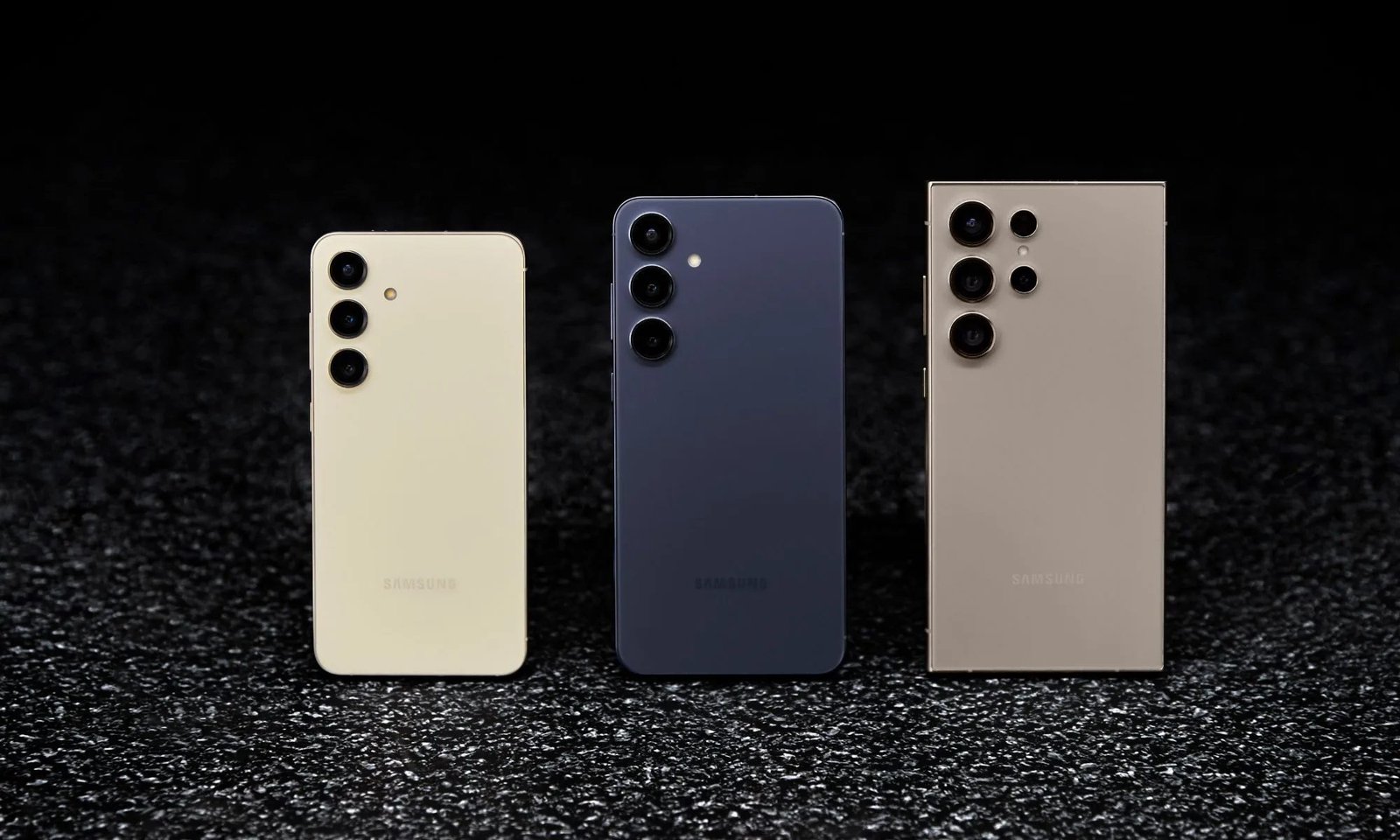
Samsung Galaxy S26 could launch with the Exynos 2600 but not for everyone
Samsung might keeps its new chip close to home
Samsung
What’s happening? Samsung is reportedly going to use its new in-house Exynos 2600 chip in the upcoming Galaxy S26 and S26 Plus, but only in select markets, not globally.
- According to IT Home, the Exynos 2600 is reportedly planned only for Galaxy S26 and S26 Plus units sold in Korea.
- U.S. buyers are expected to get a Snapdragon 8 Elite Gen 5 processor, continuing Samsung’s pattern of using Qualcomm chips in major markets.
Samsung’s push to rebuild trust in Exynos
Analysts say Exynos still carries a reputation for overheating, inconsistent performance, low manufacturing yield, and past security flaws, which pushed many buyers to prefer Snapdragon models. However, Samsung appears to be fighting back with fixes such as:
- A new Heat Pass Block cooling layer, which is essentially a built-in heat-sink inside the chip package that helps keep temperatures down by as much as 30%
- An improved 2nm production, which reportedly boosts yield to around 50%, marking a significant improvement compared to the 3nm.
- Samsung is also continuing its use of FOWLP (Fan-Out Wafer Level Packaging) to optimize performance.
Why is Exynos 2600 limited to Korea?
Even with growing confidence in the Exynos 2600, Samsung’s wider rollout may be held back by business agreements instead of engineering limits. Samsung is believed to be locked into a long-term deal with Qualcomm, requiring Snapdragon chips to power 75% of the Galaxy S series phones. That leaves little space for Samsung to rely on its in-house processor. This keeps the new chip mostly boxed into Korea while most global buyers end up with the Qualcomm version.
OK, what’s next?
Earlier rumors hinted at a possible delay for the Galaxy S26 launch, but newer reports now indicate the lineup is on track to arrive in late January 2026. So when the Samsung Galaxy S26 lineup finally lands, most buyers won’t be choosing between chips at all as the decision will already have been made for them.
Manisha likes to cover technology that is a part of everyday life, from smartphones & apps to gaming & streaming…
OnePlus Ace 6T debuts with Snapdragon 8 Gen 5, and it looks a lot like the 15R
This Ace 6T has more IP ratings than most phones have cameras
OnePlus just officially pulled the curtain back on the Ace 6T in China, and it’s basically a flagship disguised as a mid-ranger. This launch is a massive teaser because the Ace 6T is widely expected to be the blueprint for the OnePlus 15R, which is set to land in India on December 17.
If you are curious about the price, the phone starts at CNY 2,599 (around USD 367) for the base model. If you want the fully maxed-out version with 16GB RAM and 1TB storage, you’re looking at CNY 3,699 (around USD 523). It hits shelves today, December 5, in three colours: Flash Black, Fleeting Green, and Electric Violet.
OnePlus 15R poised to make battery anxiety a thing of the past with mega reveal
Plus, the flagship OnePlus 15 is finally available for pre-order in the US.
The upcoming OnePlus 15R will pack a monster 7,400mAh battery, which should ease any battery anxiety you have, especially if the OnePlus 15’s excellent performance is anything to go by.
OnePlus has confirmed the mega battery capacity for its upcoming affordable flagship model, which is set to bring a number of top-tier features from its pricier sibling to a more accessible price point.
Your future Samsung phone might finally run on truly “Samsung-made” silicon
The company is reportedly building custom processors, and it could change performance, battery life, and AI features.
What’s happened? As reported by Chosun Media, Samsung has officially reorganized part of its semiconductor arm and formed a dedicated Custom SoC Development Team. This marks a shift away from simply licensing standard ARM CPU cores. Instead, Samsung is now investing in building its own chip architecture, covering CPU cores, AI/Neural units, and system-on-chip (SoC) design. This move is meant to bring Samsung on par with companies like Apple and Qualcomm, which have long pushed custom-silicon strategies.
The new team sits under Samsung’s System LSI division, with SoC veteran Park Bong‑il tapped to lead the effort.
