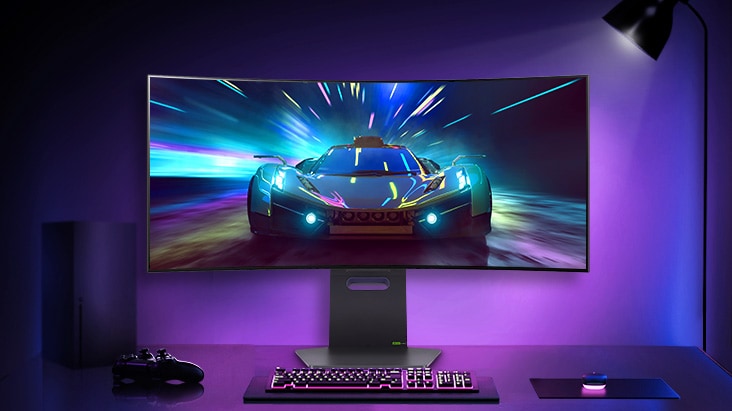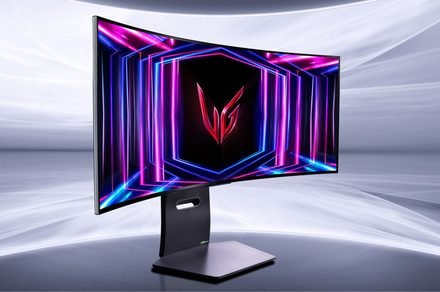
LG’s new OLED panel combines LCD-like sharpness with a 240Hz refresh rate
By pairing a 240Hz refresh rate with a true RGB stripe subpixel layout, LG Display is redefining what OLED monitors can be, eliminating long-standing text clarity issues while doubling down on speed and contrast.
The South Korean display technology giant LG has officially announced the world’s first 240Hz OLED panel featuring an RGB stripe subpixel layout, making it one of the most critical and exciting display reveals at CES 2026.
The 27-inch 4K OLED panel supports a peak refresh rate of 240Hz. This makes it an excellent option for professional use cases such as high-end gaming or competitive esports, while also appealing to creators and power users who rely on precise frame timing.
RGB stripe structure will dramatically improve text clarity
However, that isn’t the panel’s main highlight. Unlike traditional OLED panels that use the company’s WRGB structure (which includes white subpixels), the new panel features an “RGB stripe structure.”
The RGB stripe structure places all the red, green, and blue subpixels in straight vertical lines (similar to LCD monitors). This reduces issues such as color bleeding, fringing, and visual distortion, even when viewed up close.
In theory, the RGB stripe structure should also improve text clarity, a persistent weakness in regular OLED monitors. In addition to text, you should expect enhancements in the sharpness, UI clarity, and overall desktop usability, without sacrificing motion clarity.
LG has also increased the aperture ratio, which is the relative proportion of the pixel area that emits light, improving the brightness efficiency without cranking up power consumption. In simpler terms, the panel should deliver higher peak brightness and better uniformity while maintaining OLED panel contrast.
If you’ve been tempted by OLED monitors but held back because you spend long hours reading, writing, coding, playing video games, or working with text-heavy interfaces, the LG 27-inch 4K OLED panel with RGB stripe structure should provide an excellent experience.
The panel borrows its clarity from LCD panels, contrast and colors from OLEDs, and an ultra-fast refresh rate with near-zero response time, all while providing 4K resolution (160 ppi). The only thing we’re waiting for now is the technology’s adoption by other brands (including LG Electronics) and the announcement of products at or after CES 2026.
For more than five years, Shikhar has consistently simplified developments in the field of consumer tech and presented them…
Brits are now trauma-dumping on AI, government confirms
A full third of UK citizens have turned to artificial intelligence for emotional support, companionship, or social interaction, according to a new report from the government’s AI Security Institute (AISI).
The data shows that nearly one in 10 people are using systems like chatbots for emotional purposes on a weekly basis, with 4% engaging with them every single day.
I tested ChatGPT apps and I love these 5 heavy-hitters to ease the daily grind
“Create a playlist of songs inspired by Hurt sung by Johnny Cash in Apple Music and name it ‘Terra’. Thanks!”
In October, OpenAI outlined plans for turning ChatGPT into a platform for apps. So far, the AI chatbot has answered your queries, done research on your behalf, made images, and even done a bit of autonomous work in the web browser. Now, it’s turning into a hub of apps that you push on a daily basis.
A few days ago, the ChatGPT app store finally went live, and the company has already invited developers to submit their apps. The whole idea behind the initiative is that instead of opening apps on your phone, you can simply turn to ChatGPT and instruct it to get the work done.
Your next prebuilt PC might arrive with memory loss
Paradox Customs adds ‘no RAM’ option as memory shortages hit PC builders
Paradox Customs has introduced a rather radical option to its prebuilt PC configurator: the ability to order a system with no RAM installed. The boutique builder says the move is a direct answer to the massive memory shortage and sky-high DRAM prices currently rocking the industry, which have made it nearly impossible for system builders to keep kits in stock at a predictable price. For buyers who have a spare set of sticks at home or want to find a deal elsewhere, it’s a way to dodge the “RAM tax” that has been driving up prebuilt costs.
A pragmatic response to a volatile market