

Still emptying your own vacuum? You’re about to be in the minority if the big brands have any say in it
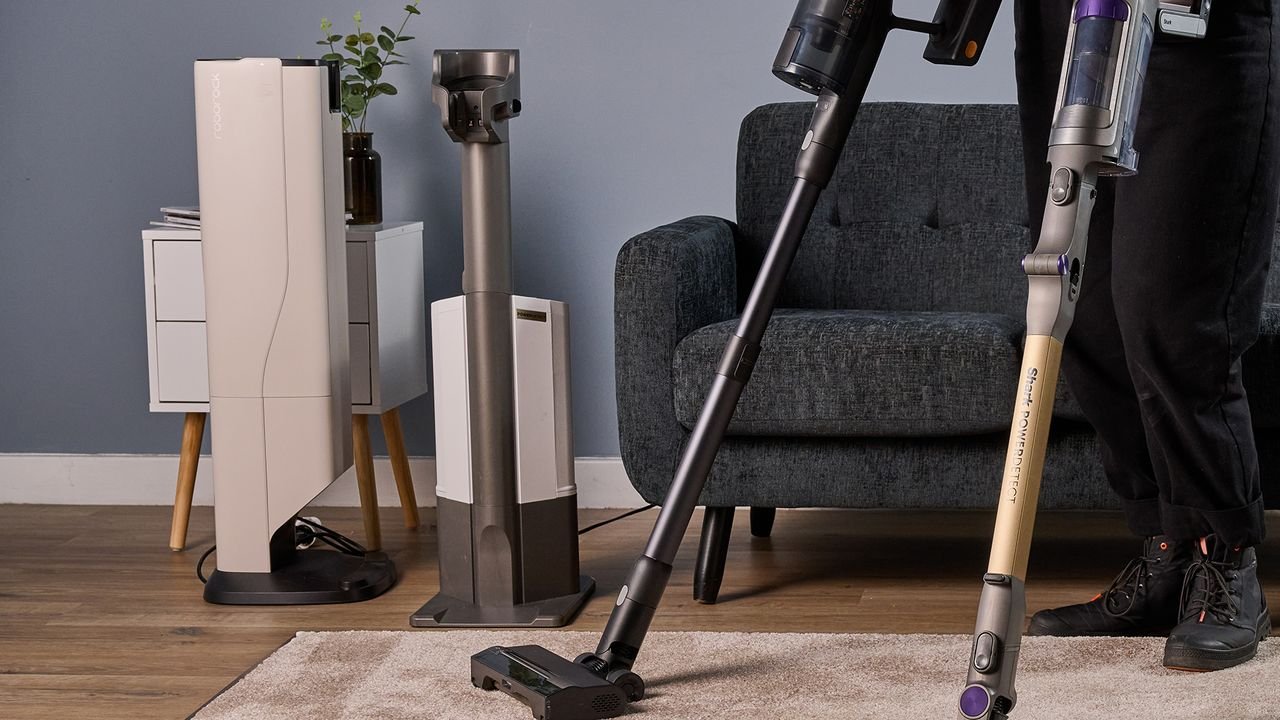
Shark has been trying to make auto-empty docks happen since at least 2023, but I think 2026 might be the year they finally take off. If you’re in the dark about what exactly I mean by an ‘auto-empty dock’, it’s just what it sounds like: a base that houses a large dust bag or bin, into which the contents of the vacuum’s small onboard bin will automatically eject when it’s docked.
Auto-empty docks are already commonplace in the robot vacuum market, where they feel like a natural fit – onboard bins are necessarily tiny, the bot needs to dock itself to charge anyway, and the main selling point of the whole thing is that it’s a hands-off solution.
Shark PowerDetect Cordless Stick vacuum – Auto-Empty – YouTube
They’re less common with manual vacuums, where an auto-empty dock feels more luxury than essential. But still, there are plenty of benefits of auto-empty docks for stick vacuums – less effort required from users, the potential for smaller and lighter onboard bins, and minimal chance you’ll end up in a cloud of your own just-vacuumed dust as a result of a misjudged dirt ejection.
I’m seeing more and more examples of manual vacuums with auto-empty docks hitting the market. As the author of TechRadar’s best cordless vacuum guide, I keep an eye on all the major new releases, and it feels like now more of these have auto-empty docks than don’t.
Who started it?
As far as I can tell, the brand that released the hand-break on the auto-empty bandwagon was Samsung. The Samsung Bespoke Jet launched in 2022, and was the first of many self-empty Bespoke Jet vacuums with ever-longer names and ever-loftier price-tags (the most recent being the Samsung Bespoke AI Jet Ultra).
However, Samsung is still quite a peripheral brand in the vacuum market, so I think it’s Shark’s efforts that have been more instrumental in pushing the trend forward, with popular models like the Detect Pro and PowerDetect Cordless available in ‘Clean & Empty System’ (US) / ‘Auto-empty system’ (UK) versions. Most recently, Shark has come out with several cheaper, more basic auto-empty options that seem to be aimed at cementing this as an option for everyone, rather than a premium choice.
This year also saw Roborock attempting to establish itself in the manual vacuum space with a range that includes several auto-empty docks (I tested the Roborock H60 Hub Ultra). But the thing that really convinced me they were here to stay was Dyson’s announcement that it would be launching compatible docking stations for its newest vacuums.
I say ‘announcement’ – it was a single line, tucked away in a much larger press release detailing the brand’s many September 2025 launches. No images, no prices, no fanfare. For that reason, I’m maintaining a healthy level of wariness about when (and possibly if) these docks will actually arrive on the market. If they do, though, then it could be major.
Shark and Dyson are arguably the two biggest names in the manual vacuum market right now, and if both of those brands are going hard on auto-empty docks, you can assume they’re going to be kind of a big deal.
“>
You must confirm your public display name before commenting
Please logout and then login again, you will then be prompted to enter your display name.
