

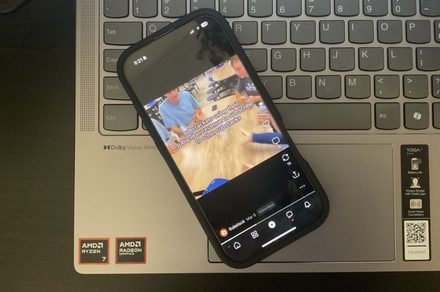
You can now enjoy Substack on a TV, if that’s your idea of fun times
Substack is now on your TV, because why not watch essays like Netflix?
Cristina Alexander / Digital Trends
Substack has carved out a massive niche for itself as the “quiet corner” of the internet—the place you go to escape the noise of social media and actually read. It is where you sip your morning coffee while scrolling through a thoughtful newsletter from your favourite writer. But with the surprise launch of its new beta TV app, the platform is making a bold play to leave your inbox and claim a spot in your living room, right next to the titans like Netflix, Hulu, and YouTube.
The app, which has just rolled out for Apple TV and Google TV, basically takes the video content and livestreams from the creators you already subscribe to and splashes them onto the biggest screen in your house. It is a smart, calculated move toward what the tech industry calls a “lean-back” experience. Instead of hunching over a laptop or squinting at a smartphone screen to watch a forty-minute interview or a deep-dive lecture, you can now throw it on the TV while you cook dinner, fold laundry, or just relax on the couch.
For the creators themselves, the beauty of this system is the complete lack of friction
They don’t have to jump through hoops, upload new file formats, or learn a complicated new backend system. If they have already posted a video to Substack, it automatically populates in the TV app for their logged-in subscribers. It is seamless. For viewers, the interface keeps things clean and familiar, offering a personalized “For You” row of recommendations and dedicated pages to browse all the video content from specific publications.
It is a clear signal that Substack wants to be viewed as much more than just a newsletter host—it aims to be a full-blown media ecosystem. Veteran journalist Jim Acosta, who hosts a daily livestream on the platform, even described the launch as a “game-changing moment” for the rise of independent media. And honestly, he has a point. By moving onto the TV, independent journalists and creators are effectively bypassing traditional broadcast channels and getting direct access to the most valuable real estate in the modern home. They are no longer just competing with blogs or Twitter threads; they are now competing for the prime-time hours you spend watching television.
Of course, since the app is currently in “beta,” it is still a little bare-bones
You can’t easily search for new content just yet, and planned features like audio posts, “read-alouds,” and in-app subscription upgrades are still in the pipeline. Also, while you can watch content you have already paid for, the app doesn’t yet support previews for paid content if you aren’t a subscriber—though Substack says these fixes are coming down the road soon.
Ultimately, this expansion changes the entire vibe of the platform. It bridges the gap between the intimacy of a personal email and the high-engagement nature of a television show. It might take a minute to get used to the idea of “watching” Substack rather than reading it, but as independent media continues to grow and evolve, this feels like the natural next step. It is no longer just about reading; it is about tuning in.
Moinak Pal is has been working in the technology sector covering both consumer centric tech and automotive technology for the…
Wondering if YouTube TV is worth it? This new promo will help you decide without hurting your wallet
Get a longer free trial and save over $20 on your first two months.
YouTube TV is making major moves to win over subscribers. After announcing plans to roll out new genre-specific bundles in 2026 that will let users tailor their subscriptions and potentially cut monthly costs, the platform is now offering new subscribers a longer trial period and a hefty discount for the first two months.
Typically, YouTube TV offers a 7-day free trial, after which subscribers pay $82.99 per month for the streaming service. Under the new promotion, subscribers can enjoy a 10-day free trial and pay just $59.99 per month for the first two months.
Netflix’s latest move is huge for movie theaters, and fantastic for you and I
Netflix will keep Warner Bros. movies in theaters for 45 days, lifting fears for the film industry
After Netflix won the bidding war for Warner Bros.’ film and streaming business in December 2025, the company revealed its plans for releasing films in theaters. In a recent New York Times interview, Netflix co-CEO Ted Sarandos explained that, after Netflix acquires Warner Bros., he “will run that business largely like it is today, with 45-day windows.”
In April 2025, Sarandos previously stated that he loved theaters but thought that theatrical moviegoing is an “outmoded idea, for most people, not for everybody.” As a result, Netflix’s purchase of Warner Bros. ignited backlash and fears over the film industry’s future.
I watched 28 Years Later: The Bone Temple, it’s the best movie in the franchise
Nia DaCosta’s The Bone Temple is a frightening, fantastic follow-up to 28 Years Later
28 Years Later reinvigorated Danny Boyle and Alex Garland’s beloved zombie film saga, but its new sequel, 28 Years Later: The Bone Temple, set another high bar for the franchise. Shot back-to-back with 28 Years Later, The Bone Temple follows Dr. Ian Kelson (Ralph Fiennes) as he bonds with the Alpha zombie Samson (Chi Lewis-Parry) and attempts to cure him of the Rage Virus. Meanwhile, young Spike (Alfie Williams) reluctantly joins Sir Lord Jimmy Crystal (Jack O’Connell) and his cult of Satanists.
After 28 Years Later introduced to a vast, new post-apocalyptic story, The Bone Temple pushed the franchise even further with its engaging characters, thought-provoking narrative, and distinctive style. While it’s only January, 28 Years Later: The Bone Temple has already proven itself to be one of the best films of 2026.
