

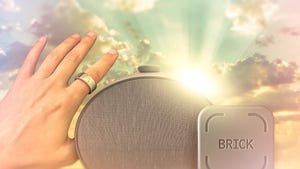
Daylight Saving Time Always Takes Me Down. I’m Using This Tech to Recover
As it is, I’m not the best sleeper but when you add daylight saving time, even that 1-hour time change can wreak havoc on my circadian rhythm, also known as the body’s internal clock. Every year, this leaves me exhausted, stressed and generally feeling “off,” but it’s not just me. Daylight saving time is known to have unwanted effects on our physical and mental health.
This year, I aim to fight back. As a wellness tech writer, I know how beneficial certain devices can be for regulating our sleep, nervous systems and overall well-being, so I’ll be using that knowledge to my advantage. Rather than taking it lying down (as much as I want to lie down for a nap), I’ll be using the following technology to help my body recover from daylight saving time.
I love using my Hatch Restore 3 as a gentle sunrise alarm clock and white noise machine.
Anna Gragert/CNET1. Sunrise alarm clock
The Hatch Restore 3 is CNET’s favorite sunrise alarm clock, and for good reason. Like similar devices, it uses gradual, customizable light that mimics a sunrise to gently wake you up and you can pair it with equally gentle wake-up sounds if you’re a heavy sleeper and need that extra noise to get out of bed. It also works as a bedside light and white noise machine.
As a light sleeper who uses blackout curtains, I love that this alarm clock simulates a sunrise to signal to my body when it’s time to wake up — especially during a time change. I much prefer it to a loud, blaring alarm that shocks me awake.
The Restore 3’s white noise machine feature also helps me fall asleep and stay asleep while listening to the soothing sounds of a waterfall. Then, when it’s time for me to wake up, it transitions into the morning singing bowls I selected as my alarm. With a Hatch+ subscription ($50 per year or $5 per month), you get access to additional sounds, meditations, podcasts and stories.
If a sunrise alarm clock isn’t for you, you can also use smart lights to help your body adjust.
“Today’s smart lights let you schedule times to turn on or increase or decrease brightness during the times of day when you need it most,” says Tyler Lacoma, CNET’s smart home editor. “Many smart bulbs also include color temperature settings so you can set lights for warmer tones to mimic sunsets or sunrises more easily. You can also look for daylight modes that take care of the details for you but I recommend starting with a schedule if you’re trying to shake off DST weariness.”
I find the Oura Ring to be the most comfortable sleep tracker.
Anna Gragert/CNET2. Oura Ring
It can be difficult to know exactly how well you’ve slept from one night to the next just based on how you feel. That’s why I use my Oura Ring’s data to see exactly what my sleep looks like: its different stages, my breathing while asleep and my sleep score, which summarizes the overall quality of my rest. This information helps me decide whether to take it easy during the day or go all out during my workout.
There are other types of sleep trackers, like smartwatches and mattress covers, but I prefer my smart ring because it’s more comfortable to wear while sleeping. However, I wouldn’t recommend keeping track of your sleep if it could make you anxious, particularly during an already-stressful period like daylight saving time.
3. Smart water bottle
I’ve already waxed poetic about how much I love my smart water bottle, the Larq Bottle PureVis 2, for getting me to drink enough water every day. I’ve noticed that when I’m tired or have an inconsistent sleep schedule (I’m looking at you, DST), I tend to struggle with hydration, which makes me feel even more fatigued. This water bottle helps me pick up the slack and I especially appreciate that its cap lights up to remind me to take a sip.
I’ve enjoyed using the Brick to keep me off my phone when I have a tendency to doomscroll.
Anna Gragert/CNET4. Brick
Something else I grapple with when tired: doomscrolling. When I’m exhausted, it can be challenging for me to pull myself away from my phone in favor of my preferred free-time activities, such as reading a book, going for a walk, birdwatching, working out, cooking or baking or simply spending time outside in nature.
To cut down on my phone time, I’ve been testing the Brick, a magnet you use to temporarily block selected apps and websites on your device. Unlike screen-time apps you can easily disable on your phone, the Brick is a physical device you have to tap your phone against to block and unblock your apps.
For the Brick to work, you put it somewhere out of reach (mine is on my fridge) so that you actually have to move your body to use it. This creates more intention around how and when you spend time on your devices.
5. Air fryer
Clearly, I’m not at my best when I’m tired, and unfortunately, this applies to what I eat at the end of a long, post-DST day. The last thing I want to do when I have zero energy is cook, so for easier, faster, healthy recipes, I use my air fryer.
Last year, I spoke with registered dieticians to learn more about the healthiest recipes you can make in an air fryer with less oil. As a vegetarian, my favorites include air-fried vegetables and sweet potato fries, which I love as sides. For snacks, crispy veggie chips are perfection, or I’d recommend trying CNET Editor Corin Cesaric’s recipe for crispy air fryer chickpeas. You can even roast an entire chicken in your air fryer.
In the kitchen department, honorable mentions go to my Vitamix, Instant Pot and KitchenAid stand mixer for making prep and cooking a breeze when I need it most.
The bottom line
If, like me, you struggle to adjust to daylight saving time, you may want to consider using the devices you have at your disposal to make the seasonal change easier on your body. After all, that’s the purpose of this technology: to make our lives easier, especially when we need it most.
