

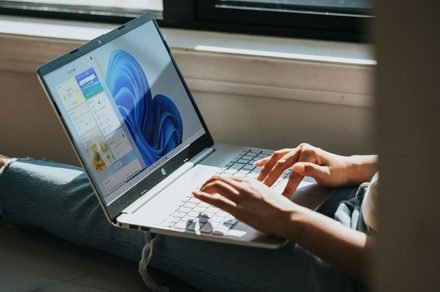
Did you upgrade to Windows 11? If not then its just not you
Windows users are refusing to upgrade, and it’s a problem for Microsoft
Unsplash
It looks like Microsoft has hit a massive wall. People just aren’t switching to Windows 11 as fast as the company hoped. In fact, the move is happening way slower than the shift from Windows 7 to Windows 10.
Dell’s COO, Jeffrey Clarke, just dropped some eye-opening numbers during an earnings call. He revealed that about 500 million PCs out there are perfectly capable of running Windows 11 but are still stuck on Windows 10. That’s half a billion people just… waiting.
And here’s the other half of the problem: Clarke says there are another 500 million computers that are four years old or older and literally can’t upgrade. Microsoft’s strict rules about processors and security chips (like that pesky TPM 2.0 requirement) have left these machines stranded.
This comes right after a Microsoft exec, Pavan Davuluri, tried to spin things by saying “nearly a billion people rely on Windows 11,” but he didn’t exactly explain what that meant. The real numbers suggest a much stickier situation.
Windows 11: The free party no one wants to attend
This is a huge reality check. Microsoft ended mainstream support for Windows 10 back in October 2025, expecting everyone to jump ship. Instead, the market has split in two:
- Half the world is using hardware that isn’t allowed to upgrade.
- The other half could upgrade, but they just don’t want to.
This hesitation is a nightmare for cybersecurity. It also throws a wrench in Microsoft’s big plans to push AI features to everyone. Dell sees this as a chance to sell new “AI-ready” computers, but warns that sales are likely to stay flat through 2026. Without a big reason to switch, people are just holding onto their old, familiar setups.
If you’re still on Windows 10, you’re definitely not alone – but you are in a risky spot. Since mainstream security updates have ended, your computer is becoming more vulnerable to hackers every day.
You basically have three choices now:
- Buy a new PC (which Microsoft and Dell want you to do).
- Pay for Extended Security Updates (ESU) to keep your old machine safe for a bit longer.
- Risk it and stay on an unsupported OS (not recommended).
For businesses, this is a budget headache. Do they pay for the security patches, or spend millions replacing perfectly good hardware just to get Windows 11?
What does this mean for you
Microsoft is in a tough spot. It’s facing pressure to maybe relax those strict hardware rules or find a way to make Windows 11 more exciting so people want to switch.
For now, the company is betting everything on a new wave of AI-powered PCs to tempt buyers. But with a billion users currently stuck in “can’t upgrade” or “won’t upgrade” limbo, convincing the world to move on might be the hardest sales pitch Microsoft has ever had to make.
Moinak Pal is has been working in the technology sector covering both consumer centric tech and automotive technology for the…
You’re not imagining it: RAM and storage prices are climbing fast
AI-driven chip demand is squeezing RAM and storage supply, even for everyday consumers.
What’s happened? The bad news keeps stacking up for anyone planning a PC build or upgrade. It’s not just GPUs and RAM climbing in price. In fact, SSDs are now part of the squeeze, with chipmakers warning that shortages will stretch well into 2026. A wave of shortages now threatens to ripple across RAM, SSDs, and even hard drives, affecting not only performance-hungry rigs but also everyday systems.
CyberPowerPC has publicly confirmed it will raise prices on all systems starting December 7th due to RAM costs spiking by 500% and SSD prices doubling since October.
You thought 8GB VRAM was bad? Nvidia might stop bundling it at all
Board partners could soon be fighting for GDDR on their own, and you might be footing the bill.
What’s happened? Earlier this year, reports suggested Nvidia’s next-gen GPUs might ship with major VRAM upgrades. But in just a few months, the AI boom has pushed both RAM and GDDR prices into the stratosphere, to the point where AMD and Nvidia are reportedly considering cutting entry-level and budget GPUs altogether. Now, things might be getting even more complicated. Facing a deepening global memory shortage, Nvidia is rumored to be changing how it supplies GPUs. Instead of shipping fully populated boards (die + VRAM), it may start sending only the GPU die, leaving board partners to source GDDR or HBM on their own. And if that happens, it could seriously impact how flexible vendors are and how many cards actually make it to shelves.
Leakster Golden Pig Upgrade Pack claims Nvidia will stop bundling VRAM with its GPUs to protect supply chains and reduce initial costs.
Risk of bubble in humanoid robot sector, China warns. So, what if it bursts?
We’ve heard plenty about an AI bubble. But there appears to be another one emerging in the tech sector.
We’ve been hearing a lot lately about the so-called “AI bubble,” a phenomenon caused by overinvestment in AI technology, pushing its prices and valuation far beyond its actual, proven value, thereby creating a metaphorical balloon that could eventually burst.
Well, the first warnings are now being sounded regarding a similar bubble emerging in another growing sector — humanoid robots.
