

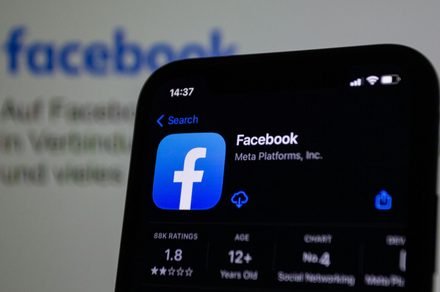
Facebook’s wants to turn basic link sharing into a paid feature
A new hurdle for creators driving traffic from Facebook
Unsplash
Facebook has begun experimenting with charging for one of its most basic features, link sharing. In a new test spotted by users, Meta is limiting how many links certain Facebook accounts can post unless they pay for a subscription.
Users who are part of Facebook’s professional mode or who run Pages can only post two links in regular posts unless they subscribe to Meta Verified. The paid plan starts at $14.99 per month in the US.
This change lands as new research highlights how deeply Facebook is still woven into everyday online habits. It could have a direct impact on creators and businesses that use Facebook to share articles, products, or drive traffic elsewhere on the internet.
Why is Facebook putting limits on link sharing?
Meta confirmed the experiment and told TechCrunch that it is a “limited test” meant to understand whether the ability to post more links adds extra value for Meta Verified subscribers. While Meta states that publishers are not currently included in the test, many creators rely on professional mode profiles and Pages to reach their audiences.
According to social media strategist Matt Navarra, links in comments are still allowed, as well as affiliate links and links to other Meta-owned platforms such as Instagram and WhatsApp.
Facebook’s own data may help explain the thinking. In a recent transparency report, Meta said more than 98% of feed views in the US come from posts without links. Posts with links account for a small share of views and are mostly seen from Pages that users already follow.
Navarra told the BBC that the move signals Meta’s broader push to monetize content distribution itself, calling it “the basic ability to send people to other parts of the internet” being placed behind a paywall. “Tests like this underline why building a business that’s overly dependent on any one platform’s goodwill is incredibly risky,” he said.
Such tactics are not new. Platforms like X have previously downplayed linked posts to keep users on their own services longer, and turned the verification checkmark into a monthly subscription. For now, this is still a test. But it adds to growing concerns of a future where even simple actions on social platforms may come with a price.
Manisha likes to cover technology that is a part of everyday life, from smartphones & apps to gaming & streaming…
YouTube’s AI age checks hit more users, and your selfie may decide
The rollout widens with three ways to verify if you want full access to 18+ content: ID, selfie, or credit card.
What’s happened? YouTube has pushed a fresh wave of AI age verification prompts to more accounts. It announced the system in July and began limited rollout in late September, with the latest expansion landing now.
According to 9to5Google, users over the past 24 hours are seeing prompts to accept limits or prove they are 18 using an ID, a selfie age estimate, or a credit card.
TikTok launches Bulletin Board, and your favorite creators just got louder
A new one-to-many messaging tool joins the platform’s growing creator toolkit.
What’s happened? TikTok announced the launch of Bulletin Board, a new feature allowing creators to establish a dedicated channel where they can post updates, images, or videos to their followers. The tool resembles other broadcast-style features from rival platforms but is now integrated directly into TikTok’s ecosystem.
The feature supports text, image, and video posts, and enables followers to react with emojis (but not respond with full comments).
LinkedIn turns search into a targeted AI chat to grow your network
Type what you’re trying to do, from launching a startup to switching careers, and LinkedIn’s new Premium-only search will find people who’ve already done it.
What’s happened? LinkedIn is rolling out an AI-powered people search feature for Premium members in the US. Instead of typing job titles and company names, subscribers can describe the kind of person they want to find in plain language.
LinkedIn says members can type prompts like “someone who’s grown a small business” or “an expert in digital marketing” instead of juggling filters.
