

Former Call of Duty dev Schofield laments the state of Activision and EA
“Watching them fade from their roles as dominant publishers and powerhouse training grounds hits harder than I expected”
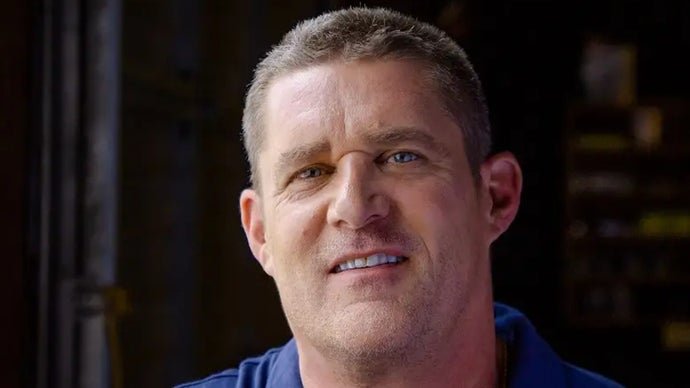
Former Call of Duty developer Glen Schofield has said that it’s “tough” to see the direction that Activision and Electronic Arts are heading in.
In a post on LinkedIn, the development veteran reflected upon his time at both companies, saying that it is “bittersweet” to see the current state of these publishing giants. Activision Blizzard was acquired by Microsoft in a deal worth $68.7 billion, while Electronic Arts is set to be purchased by a consortium, that includes the Saudi Arabian Public Investment Fund, for $55 billion.
Schofield spent over seven years at Electronic Arts, eventually taking the position of general manager at Visceral Games, which helmed the Dead Space franchise.
In 2009 he founded Sledgehammer Games with fellow Visceral veteran Michael Condrey; that studio was swiftly acquired by Activision and put to work on the company’s flagship shooter, Call of Duty.
He left Activision in 2018, months after departing Sledgehammer, and emerged a year later as the founder and CEO of Krafton’s Striking Distance Studios, before leaving in 2023. Currently, he is a director and advisor at Pinestripe Games.
“When the news broke that Electronic Arts was being bought and likely scaled down, my mind immediately went to Activision and their acquisition by Microsoft,” Schofield wrote.
“In the span of just a few years, the two publishing giants who shaped the last 20+ years of our industry have both entered new eras.
“For me, it’s a bittersweet moment. I spent roughly a decade at each company, right in their primes. Watching them fade from their roles as dominant publishers and powerhouse training grounds hits harder than I expected.”
Schofield says that while it is hard to see the state of Activision and EA, there is an opportunity for the next generation of industry talent to rise up.
“So yes it’s tough to watch these companies step back from what they once were: major publishers, major developers, and incredible places to grow, learn, and sharpen your craft. They trained generations of us. They made careers. Mine included,” he continued.
“But there’s a bright side: it’s time for others to step up. New leaders. New studios. New publishers. Someone will take that mantle, we always do as an industry. And when they do, I hope they lead, teach, and invest in talent the way EA and Activision did. They set a bar that pushed all of us to be better.”
