

Inkle says TR-49’s $7 price point was experiment to encourage “an impulse, ‘jump in’ mindset”
“With the market so saturated and so algorithmic, it’s pretty reasonable to start experimenting with price”
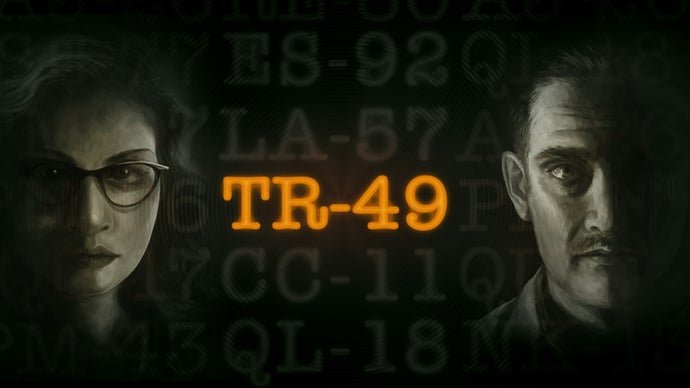
The narrative director at indie developer Inkle, Jon Ingold, has said that pricing its recently-released title TR-49 at $7 was a means of encouraging players to buy the game as an “impulse” purchase rather than waiting.
Speaking to GamesIndustry.biz, the indie veteran said that the current market is “so saturated and so algorithmic” that he feels it is “reasonable” to start trying out new pricing strategies in order to stand out.
TR-49 launched on January 21 and, according to a post from Ingold on Bluesky, is Inkle’s best launch in 14 years. The game was made in just nine months as an “experiment to learn Godot”. TR-49 has sold “double what Expelled did in the same time frame” but that previous title took much longer to make and Ingold said sales dropped off after an initial spike.
“The pricing on [TR-49] was definitely an experiment: we wanted to see what it would be like to make a game where there’s almost no point in wishlisting it and waiting for a sale – something that encourages an impulse, ‘jump in’ mindset for players,” Ingold told GamesIndustry.biz.
“The price is part of the package – and we also feel that, with the market so saturated and so algorithmic, it’s pretty reasonable to start experimenting with price. We’re directly competing with free demos now.”
Ingold did admit, however, that the results of this experiment “are a little more unclear”.
“We’ve definitely sold very strongly, right out of the gate, and that’s fantastic – but, obviously, it’s not actually that much money,” he said.
“Of course, we started out as a 100% premium game mobile company, so the idea of only early £2/copy for a game isn’t completely alien to us.
“Overall, I think we can afford to try these kinds of experiments partly because the game was very quick to make and studio overheads are low – but largely also because we have quite a large back catalogue at this point. So there’s also a sense that, if TR-49 brings people to buy a second, higher-priced Inkle game, then that’s a factor in whether it’s a successful strategy.”
He continued: “The financial ROI [compared to Expelled] remains to be seen – TR-49 took half as long but costs a third as much, so it needs to sell more to compete. But I think that more important to us as a studio is the reputational return: if some people find out – or remember – about Inkle because of this game — then that’s our return.”
In his post on BlueSky discussing TR-49’s success, Ingold described TR-49 as a “compact game”, and told GamesIndustry.biz that there’s “certainly a lot to like about” this genre of smaller, shorter projects.
“It takes the pressure off to build something complex and intricate: you can focus on doing one thing, really well,” he said.
“You can test it thoroughly, and polish it, instead of desperately trying to get the last 25% to work as it’s supposed to. And above all, if people don’t like it, you and they can move on without too much emotional or financial cost.
“But we’re not committed to the strategy. We tend to be led by what excites us as designers and creators. We have to see where the material takes us.”
