Close Menu

    Subscribe to Updates

    Get the latest creative news from FooBar about art, design and business.

    What's Hot

    U.S. Cannot Legally Impose Tariffs Using Section 122 of the Trade Act of 1974

    Japanese Woodblock Print Search

    Today’s NYT Mini Crossword Answers for Sunday, Feb. 22

    Facebook X (Twitter) Instagram
    • Artificial Intelligence
    • Business Technology
    • Cryptocurrency
    • Gadgets
    • Gaming
    • Health
    • Software and Apps
    • Technology
    Facebook X (Twitter) Instagram Pinterest Vimeo
    Tech AI Verse
    • Home
    • Artificial Intelligence

      Tensions between the Pentagon and AI giant Anthropic reach a boiling point

      February 21, 2026

      Read the extended transcript: President Donald Trump interviewed by ‘NBC Nightly News’ anchor Tom Llamas

      February 6, 2026

      Stocks and bitcoin sink as investors dump software company shares

      February 4, 2026

      AI, crypto and Trump super PACs stash millions to spend on the midterms

      February 2, 2026

      To avoid accusations of AI cheating, college students are turning to AI

      January 29, 2026
    • Business

      Gartner: Why neoclouds are the future of GPU-as-a-Service

      February 21, 2026

      The HDD brand that brought you the 1.8-inch, 2.5-inch, and 3.5-inch hard drives is now back with a $19 pocket-sized personal cloud for your smartphones

      February 12, 2026

      New VoidLink malware framework targets Linux cloud servers

      January 14, 2026

      Nvidia Rubin’s rack-scale encryption signals a turning point for enterprise AI security

      January 13, 2026

      How KPMG is redefining the future of SAP consulting on a global scale

      January 10, 2026
    • Crypto

      3 Altcoins Crypto Whales are Buying After Supreme Court’s Trump Tariff Ban

      February 22, 2026

      SBI Deepens XRP Bet With Bond Incentives and Venture Studio Plan

      February 22, 2026

      IoTeX Hit by Private Key Exploit, Attacker Drains Over $2 Million

      February 22, 2026

      Solana Price Faces a Bull Trap as 50% Holders Exit

      February 22, 2026

      XRP Flaunts a 3-Week ETF Inflow Streak, So Why is Price Still Stuck Below $1.50?

      February 22, 2026
    • Technology

      U.S. Cannot Legally Impose Tariffs Using Section 122 of the Trade Act of 1974

      February 22, 2026

      Japanese Woodblock Print Search

      February 22, 2026

      Today’s NYT Mini Crossword Answers for Sunday, Feb. 22

      February 22, 2026

      A Botnet Accidentally Destroyed I2P

      February 22, 2026

      How I use Claude Code: Separation of planning and execution

      February 22, 2026
    • Others
      • Gadgets
      • Gaming
      • Health
      • Software and Apps
    Check BMI
    Tech AI Verse
    You are at:Home»Technology»Major government research lab appears to be squeezing out foreign scientists
    Technology

    Major government research lab appears to be squeezing out foreign scientists

    TechAiVerseBy TechAiVerseFebruary 22, 2026No Comments5 Mins Read2 Views
    Facebook Twitter Pinterest Telegram LinkedIn Tumblr Email Reddit
    Major government research lab appears to be squeezing out foreign scientists
    Share
    Facebook Twitter LinkedIn Pinterest WhatsApp Email

    Major government research lab appears to be squeezing out foreign scientists

    One of the US government’s top scientific research labs is taking steps that could drive away foreign scientists, a shift lawmakers and sources tell WIRED could cost the country valuable expertise and damage the agency’s credibility.

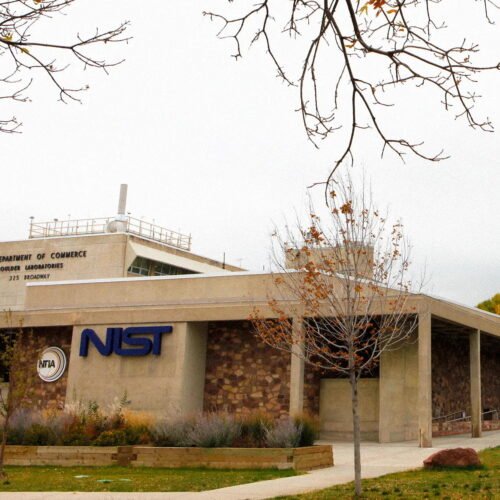
    The National Institute of Standards and Technology (NIST) helps determine the frameworks underpinning everything from cybersecurity to semiconductor manufacturing. Some of NIST’s recent work includes establishing guidelines for securing AI systems and identifying health concerns with air purifiers and firefighting gloves. Many of the agency’s thousands of employees, postdoctoral scientists, contractors, and guest researchers are brought in from around the world for their specialized expertise.

    “For weeks now, rumors of draconian new measures have been spreading like wildfire, while my staff’s inquiries to NIST have gone unanswered,” Zoe Lofgren, the top Democrat on the House Committee on Science, Space, and Technology, wrote in a letter sent to acting NIST Director Craig Burkhardt on Thursday. April McClain Delaney, a fellow Democrat on the committee, cosigned the message.

    Lofgren wrote that while her staff has heard about multiple rumored changes, what they have confirmed through unnamed sources is that the Trump administration “has begun taking steps to limit the ability of foreign-born researchers to conduct their work at NIST.”

    The congressional letter follows a Boulder Reporting Lab article on February 12 that said international graduate students and postdoctoral researchers would be limited to a maximum of three years at NIST going forward, despite many of them needing five to seven years to complete their work.

    A NIST employee tells WIRED that some plans to bring on foreign workers through the agency’s Professional Research and Experience Program have recently been canceled because of uncertainty about whether they would make it through the new security protocols. The staffer, who spoke on the condition of anonymity because they were not authorized to speak to the media, says the agency has yet to widely communicate what the new hurdles will be or why it believes they are justified.

    On Thursday, the Colorado Sun reported that “noncitizens” lost after-hours access to a NIST lab last month and could soon be banned from the facility entirely.

    Jennifer Huergo, a spokesperson for NIST, tells WIRED that the proposed changes are aimed at protecting US science from theft and abuse, echoing a similar statement issued this week to other media outlets. Huergo declined to comment on who needs to approve the proposal for it to be finalized and when a decision will be made. She also didn’t immediately respond to a request for comment on the lawmakers’ letter.

    Preventing foreign adversaries from stealing valuable American intellectual property has been a bipartisan priority, with NIST among the agencies in recent years to receive congressional scrutiny about the adequacy of its background checks and security policies. Just last month, Republican lawmakers renewed calls to put restrictions in place preventing Chinese nationals from working at or with national labs run by the Department of Energy.

    But Lofgren’s letter contends that the rumored restrictions on non-US scientists at NIST go beyond “what is reasonable and appropriate to protect research security.” The letter demands transparency about new policies by February 26 and a pause on them “until Congress can weigh in on whether these changes are necessary at all.”

    The potential loss of research talent at NIST would add to a series of other Trump administration policies that some US tech industry leaders have warned will dismantle the lives of immigrant researchers already living in the US and hamper economic growth. Hiking fees on H-1B tech visas, revoking thousands of student visas, and carrying out legally dubious mass deportations all stand to push people eager to work on science and tech research in the US to go elsewhere instead. The Trump administration has also announced plans to limit post-graduation job training for international students.

    Pat Gallagher, who served as the director of NIST from 2009 to 2013 under President Barack Obama, says the changes could erode trust in the agency, which has long provided the technical foundations that industry and governments around the world rely on. “What has made NIST special is it is scientifically credible,” he tells WIRED. “Industry, universities, and the global measurement community knew they could work with NIST.”

    Like much of the federal government, NIST has been in turmoil for most of the past year. Parts of it were paralyzed for months as rumors of DOGE cuts spread. Ultimately, the agency lost hundreds of its thousands of workers to budget cuts, with further funding pressure to come.

    As of a couple of years ago, NIST welcomed 800 researchers on average annually from outside the US to work in its offices and collaborate directly with staff.

    Lofgren expressed fear that rumors may be enough to scare away researchers and undermine US competitiveness in vital research. “Our scientific excellence depends upon attracting the best and brightest from around the world,” she wrote in the letter.

    This story originally appeared on wired.com.

    Share. Facebook Twitter Pinterest LinkedIn Reddit WhatsApp Telegram Email
    Previous ArticlePassword Managers Share a Hidden Weakness
    Next Article Souvenirs From the 2026 Winter Olympics Are Being Resold for Big Bucks Online
    TechAiVerse
    • Website

    Jonathan is a tech enthusiast and the mind behind Tech AI Verse. With a passion for artificial intelligence, consumer tech, and emerging innovations, he deliver clear, insightful content to keep readers informed. From cutting-edge gadgets to AI advancements and cryptocurrency trends, Jonathan breaks down complex topics to make technology accessible to all.

    Related Posts

    U.S. Cannot Legally Impose Tariffs Using Section 122 of the Trade Act of 1974

    February 22, 2026

    Japanese Woodblock Print Search

    February 22, 2026

    Today’s NYT Mini Crossword Answers for Sunday, Feb. 22

    February 22, 2026
    Leave A Reply Cancel Reply

    Top Posts

    Ping, You’ve Got Whale: AI detection system alerts ships of whales in their path

    April 22, 2025687 Views

    Lumo vs. Duck AI: Which AI is Better for Your Privacy?

    July 31, 2025277 Views

    6.7 Cummins Lifter Failure: What Years Are Affected (And Possible Fixes)

    April 14, 2025159 Views

    6 Best MagSafe Phone Grips (2025), Tested and Reviewed

    April 6, 2025119 Views
    Don't Miss
    Technology February 22, 2026

    U.S. Cannot Legally Impose Tariffs Using Section 122 of the Trade Act of 1974

    U.S. Cannot Legally Impose Tariffs Using Section 122 of the Trade Act of 1974 This…

    Japanese Woodblock Print Search

    Today’s NYT Mini Crossword Answers for Sunday, Feb. 22

    A Botnet Accidentally Destroyed I2P

    Stay In Touch
    • Facebook
    • Twitter
    • Pinterest
    • Instagram
    • YouTube
    • Vimeo

    Subscribe to Updates

    Get the latest creative news from SmartMag about art & design.

    About Us
    About Us

    Welcome to Tech AI Verse, your go-to destination for everything technology! We bring you the latest news, trends, and insights from the ever-evolving world of tech. Our coverage spans across global technology industry updates, artificial intelligence advancements, machine learning ethics, and automation innovations. Stay connected with us as we explore the limitless possibilities of technology!

    Facebook X (Twitter) Pinterest YouTube WhatsApp
    Our Picks

    U.S. Cannot Legally Impose Tariffs Using Section 122 of the Trade Act of 1974

    February 22, 20262 Views

    Japanese Woodblock Print Search

    February 22, 20262 Views

    Today’s NYT Mini Crossword Answers for Sunday, Feb. 22

    February 22, 20262 Views
    Most Popular

    7 Best Kids Bikes (2025): Mountain, Balance, Pedal, Coaster

    March 13, 20250 Views

    VTOMAN FlashSpeed 1500: Plenty Of Power For All Your Gear

    March 13, 20250 Views

    This new Roomba finally solves the big problem I have with robot vacuums

    March 13, 20250 Views
    © 2026 TechAiVerse. Designed by Divya Tech.
    • Home
    • About Us
    • Contact Us
    • Privacy Policy
    • Terms & Conditions

    Type above and press Enter to search. Press Esc to cancel.