Mechanochemical process recycles spent lithium-ion batteries using CO₂ at room temperature – NotebookCheck.net News
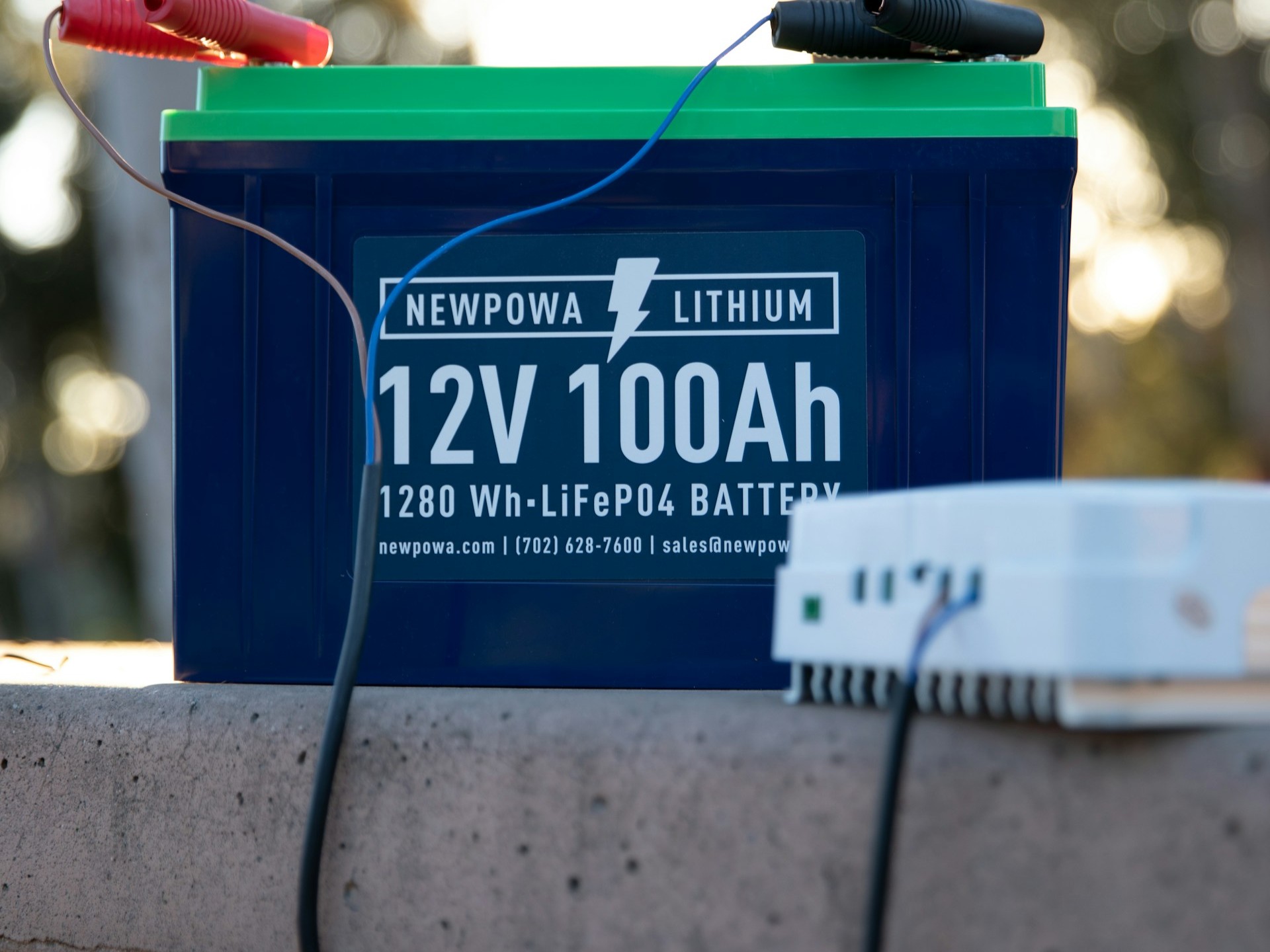
ⓘ Newpowa via Unsplash
A new mechanochemical method extracts 95% of lithium from spent batteries while also trapping carbon dioxide and creating high-performance catalysts for green hydrogen.
Every year, the number of lithium-ion batteries climbs, hitting 7.8 billion globally in 2016 alone, while most developing countries lack proper recycling regulations. With billions of lithium-ion batteries used worldwide, the growing tide of spent batteries is creating serious environmental and health risks.
Now researchers from the Chinese Academy of Sciences and the Beijing Institute of Technology have unveiled a revolutionary “three-in-one” strategy to tackle the growing global crisis of spent lithium-ion batteries. Published in Nature Communications, the study details a process that recovers critical metals at room temperature without the energy-intensive furnaces or harsh acids typically required in recycling.
The breakthrough centers on mechanochemical treatment, a high-energy ball milling process that induces cationic disordering within the battery’s atomic structure. This mechanical force triggers micro-segregation, driving lithium atoms toward the surface while concentrating transition metals like nickel and cobalt in the core. This rearrangement makes the lithium highly reactive, allowing for its selective extraction.
To recover the metal, the team introduced a mixture of water and pressurized carbon dioxide (CO2). The CO2 acts as the leaching reagent, reacting with the lithium-rich surface to form high-purity lithium bicarbonate. This method achieves a lithium recovery efficiency exceeding 95% while effectively isolating CO2, preventing the greenhouse gas from entering the atmosphere.
The strategy also solves the problem of secondary waste. Instead of discarding the leftover metal scraps, the process upcycles them into high-performance Oxygen Evolution Reaction (OER) catalysts for green hydrogen production. In testing, these catalysts demonstrated a low overpotential of 322 mV and remained stable for over 200 hours of operation.
By operating at ambient temperature and pressure, the system eliminates the toxic liquid waste and high carbon footprint associated with traditional pyrometallurgy and hydrometallurgy. The researchers believe this closed-loop route — which is particularly effective for high-nickel cathode systems — provides a sustainable, industrial-scale solution for bridging battery waste management with renewable energy conversion.
Related Articles
Chibuike Okpara – Tech Writer – 378 articles published on Notebookcheck since 2024
I have always been fascinated by technology and digital devices my entire life and even got addicted to it. I have always marveled at the intricacy of even the simplest digital devices and systems around us. I have been writing and publishing articles online for about 6 years now, just about a year ago, I found myself lost in the marvel of smartphones and laptops we have in our hands every day. I developed a passion for learning about new devices and technologies that come with them and at some point, I asked myself, “Why not get into writing tech articles?” It is useless to say I followed up the idea — it is evident. I am an open-minded individual who derives an infinite amount of joy from researching and discovering new information, I believe there is so much to learn and such a short life to live, so I put my time to good use — learning new things. I am a ‘bookworm’ of the internet and digital devices. When I am not writing, you will find me on my devices still, I do explore and admire the beauty of nature and creatures. I am a fast learner and quickly adapt to changes, always looking forward to new adventures.
Chibuike Okpara, 2026-02- 8 (Update: 2026-02- 8)