

Methane Pollution Has Cheap, Effective Solutions That Aren’t Being Used
This story originally appeared on Vox and is part of the Climate Desk collaboration.
Odorless and colorless, methane is a gas that is easy to miss—but it’s one of the most important contributors to global warming. It can trap up to 84 times as much heat as carbon dioxide in the atmosphere, though it breaks down much faster. Measured over 100 years, its warming effect is about 30 times that of an equivalent amount of carbon dioxide.
That means that over the course of decades, it takes smaller amounts of methane than carbon dioxide to heat up the planet to the same level. Nearly a third of the increase in global average temperatures since the Industrial Revolution is due to methane, and about two-thirds of those methane emissions comes from human activity like energy production and cattle farming. It’s one of the biggest and fastest ways that human beings are warming the Earth.
But the flip side of that math is that cutting methane emissions is one of the most effective ways to limit climate change.
In 2021, more than 100 countries including the United States committed to reducing their methane pollution by at least 30 percent below 2020 levels by 2030. But some of the largest methane emitters like Russia and China still haven’t signed on, and according to a new report from the International Energy Agency, global methane emissions from energy production are still rising.
Yet the tracking of exactly how much methane is reaching the atmosphere isn’t as precise as it is for carbon dioxide. “Little or no measurement-based data is used to report methane emissions in most parts of the world,” according to the IEA. “This is a major issue because measured emissions tend to be higher than reported emissions.” It’s also hard to trace methane to specific sources—whether from natural sources like swamps, or from human activities like fossil fuel extraction, farming, or deforestation.
Researchers are gaining a better understanding of where methane is coming from, surveilling potential sources from the ground, from the sky, and from space. It turns out a lot of methane is coming from underappreciated sources, including coal mines and small oil and gas production facilities.
The report also notes that while there are plenty of low-cost tools available to halt much of this methane from reaching the atmosphere, they’re largely going unused.
The United States, the world’s third largest methane-emitting country, has seen its methane emissions slowly decline over the past 30 years. However, the Trump administration is pushing for more fossil fuel development while rolling back some of the best bang-for-buck programs for mitigating climate change, which will likely lead to even more methane reaching the atmosphere if left unchecked.
Where Is All This Methane Coming From?
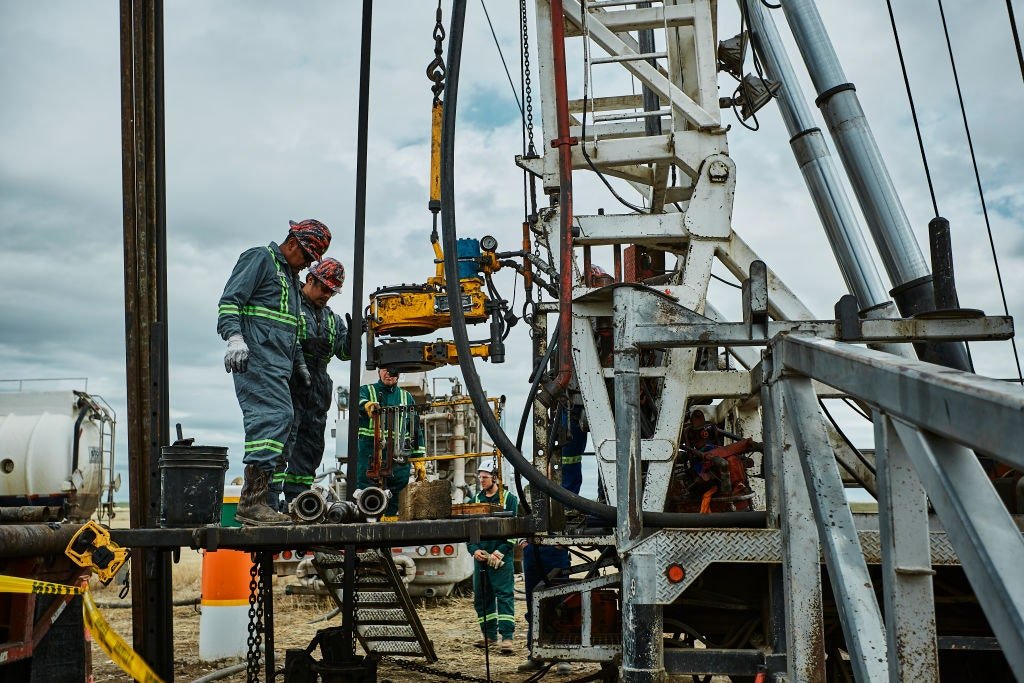
Methane is the dominant component of natural gas, which provides more than a third of US energy. It’s also found in oil formations. During the drilling process, it can escape wells and pipelines, but it can also leak as it’s transported and at the power plants and furnaces where it’s consumed.
The oil and gas industry says that methane is a salable product, so they have a built-in incentive to track it, capture it, and limit its leaks. But oil developers often flare methane, meaning burn it off, because it’s not cost-effective to contain it. That burned methane forms carbon dioxide, so the overall climate impact is lower than just letting the methane go free.
And because methane is invisible and odorless, it can be difficult and expensive to monitor it and prevent it from getting out. As a result, researchers and environmental activists say the industry is likely releasing far more than official government estimates show.
Methane also seeps out from coal mines—more methane, actually, than is released during the production of natural gas, which after all is mostly methane. Ember, a clean-energy think tank, put together this great visual interactive showing how this happens.
The short version is that methane is embedded in coal deposits, and as miners dig to expose coal seams, the gas escapes, and continues to do so long after a coal mine reaches the end of its operating life. Since coal miners are focused on extracting coal, they don’t often keep track of how much methane they’re letting out, nor do regulators pay much attention.
According to Ember, methane emissions from coal mines could be 60 percent higher than official tallies. Abandoned coal mines are especially noxious, emitting more than abandoned oil and gas wells. Added up, methane emitted from coal mines around the world each year has the same warming effect on the climate as the total annual carbon dioxide emissions of India.
Alarmed by the gaps in the data, some nonprofits have taken it upon themselves to try to get a better picture of methane emissions at a global scale using ground-based sensors, aerial monitors, and even satellites. In 2024, the Environmental Defense Fund launched MethaneSAT, which carries instruments that can measure methane output from small, discrete sources over a wide area.
Ritesh Gautam, the lead scientist for MethaneSAT, explained that the project revealed some major overlooked methane emitters. Since launching, MethaneSAT has found that in the US, the bulk of methane emissions doesn’t just come from a few big oil and gas drilling sites, but from many small wells that emit less than 100 kilograms per hour.
“Marginal wells only produce 6 to 7 percent of [oil and gas] in the US, but they disproportionately account for almost 50 percent of the US oil and gas production-related emissions,” Gautam said. “These facilities only produce less than 15 barrels of oil equivalent per day, but then there are more than half a million of these just scattered around the US.”
There Are Ways to Stop Methane Emissions, but We’re Not Using Them
The good news is that many of the tools for containing methane from the energy industry are already available. “Around 70 percent of methane emissions from the fossil fuel sector could be avoided with existing technologies, often at a low cost,” according to the IEA methane report.
For the oil and gas industry, that could mean something as simple as using better fittings in pipelines to limit leaks and installing methane capture systems. And since methane is a fuel, the sale of the saved methane can offset the cost of upgrading hardware. Letting it go into the atmosphere is a waste of money and a contributor to warming.
Capturing or destroying methane from coal mines isn’t so straightforward. Common techniques to separate methane from other gases require heating air, which is not exactly the safest thing to do around a coal mine—it can increase the risk of fire or explosion. But safer alternatives have been developed. “There are catalytic and other approaches available today that don’t require such high temperatures,” said Robert Jackson, a professor of earth system science at Stanford University, in an email.
However, these methods to limit methane from fossil fuels are vastly underused. Only about 5 percent of active oil and gas production facilities around the world deploy systems to zero out their methane pollution. In the US, there are also millions of oil and gas wells and tens of thousands of abandoned coal mines whose operators have long since vanished, leaving no one accountable for their continued methane emissions.
“If there isn’t a regulatory mandate to treat the methane, or put a price on it, many companies continue to do nothing,” Jackson said. And while recovering methane is ultimately profitable over time, the margins aren’t often big enough to make the up-front investment of better pipes, monitoring equipment, or scrubbers worthwhile for them. “They want to make 10 to 15 percent on their money (at least), not save a few percent,” he added.
And rather than getting stronger, regulations on methane are poised to get weaker. The Trump administration has approved more than $119 million to help communities reclaim abandoned coal mines. However, the White House has also halted funding for plugging abandoned oil and gas wells and is limiting environmental reviews for new fossil fuel projects. Congressional Republicans are also working to undo a fee on methane emissions that was part of the 2022 Inflation Reduction Act. With weaker incentives to track and limit methane, it’s likely emissions will continue to rise in the United States. That will push the world further off course from climate goals and contribute to a hotter planet.
