Close Menu

    Subscribe to Updates

    Get the latest creative news from FooBar about art, design and business.

    What's Hot

    The Top 25 Best Pokemon Games of All Time, Ranked

    Turns Out Perplexity Might Be the Sleeper Feature on Samsung’s Galaxy S26

    Today’s NYT Mini Crossword Answers for Thursday, Feb. 26

    Facebook X (Twitter) Instagram
    • Artificial Intelligence
    • Business Technology
    • Cryptocurrency
    • Gadgets
    • Gaming
    • Health
    • Software and Apps
    • Technology
    Facebook X (Twitter) Instagram Pinterest Vimeo
    Tech AI Verse
    • Home
    • Artificial Intelligence

      Tensions between the Pentagon and AI giant Anthropic reach a boiling point

      February 21, 2026

      Read the extended transcript: President Donald Trump interviewed by ‘NBC Nightly News’ anchor Tom Llamas

      February 6, 2026

      Stocks and bitcoin sink as investors dump software company shares

      February 4, 2026

      AI, crypto and Trump super PACs stash millions to spend on the midterms

      February 2, 2026

      To avoid accusations of AI cheating, college students are turning to AI

      January 29, 2026
    • Business

      How Smarsh built an AI front door for regulated industries — and drove 59% self-service adoption

      February 24, 2026

      Where MENA CIOs draw the line on AI sovereignty

      February 24, 2026

      Ex-President’s shift away from Xbox consoles to cloud gaming reportedly caused friction

      February 24, 2026

      Gartner: Why neoclouds are the future of GPU-as-a-Service

      February 21, 2026

      The HDD brand that brought you the 1.8-inch, 2.5-inch, and 3.5-inch hard drives is now back with a $19 pocket-sized personal cloud for your smartphones

      February 12, 2026
    • Crypto

      Crypto Market Rebound Wipes Out Nearly $500 Million in Short Positions

      February 26, 2026

      Ethereum Climbs Above $2000: Investors Step In With Fresh Accumulation

      February 26, 2026

      Mutuum Finance (MUTM) Prepares New Feature Expansion for V1 Protocol

      February 26, 2026

      Bitcoin Rebounds Toward $70,000, But Is It a Momentary Relief or Slow Bull Run Signal?

      February 26, 2026

      IMF: US Inflation Won’t Hit Fed Target Until 2027, Delaying Rate Cuts

      February 26, 2026
    • Technology

      The Top 25 Best Pokemon Games of All Time, Ranked

      February 26, 2026

      Turns Out Perplexity Might Be the Sleeper Feature on Samsung’s Galaxy S26

      February 26, 2026

      Today’s NYT Mini Crossword Answers for Thursday, Feb. 26

      February 26, 2026

      Today’s NYT Connections: Sports Edition Hints and Answers for Feb. 26, #521

      February 26, 2026

      New York Times Debuts the Midi Crossword, Its In-Between Puzzle

      February 26, 2026
    • Others
      • Gadgets
      • Gaming
      • Health
      • Software and Apps
    Check BMI
    Tech AI Verse
    You are at:Home»Technology»Nearly 20% of cancer drugs defective in 4 African nations
    Technology

    Nearly 20% of cancer drugs defective in 4 African nations

    TechAiVerseBy TechAiVerseJune 30, 2025No Comments6 Mins Read2 Views
    Facebook Twitter Pinterest Telegram LinkedIn Tumblr Email Reddit
    Nearly 20% of cancer drugs defective in 4 African nations
    Share
    Facebook Twitter LinkedIn Pinterest WhatsApp Email

    Nearly 20% of cancer drugs defective in 4 African nations

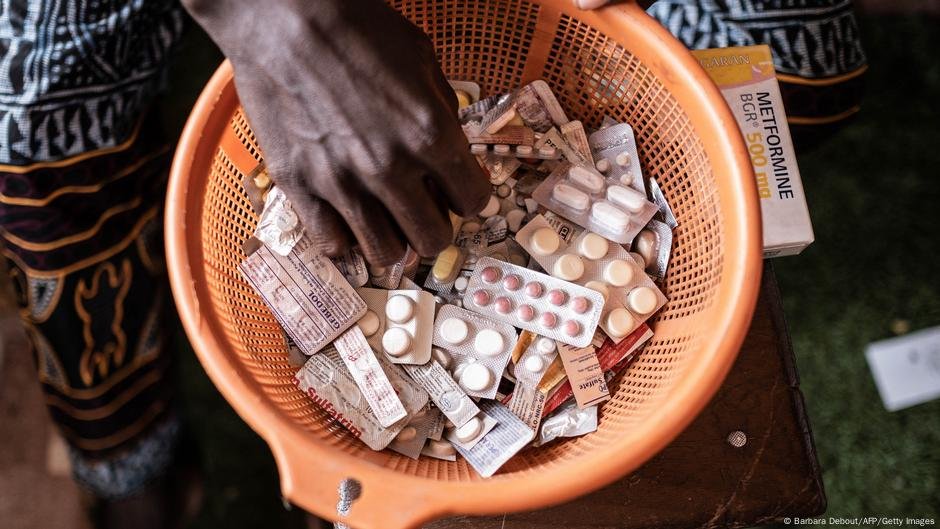
    An alarming number of people across Africa may be taking cancer drugs that don’t contain the vital ingredients needed to contain or reduce their disease.

    It’s a concerning finding with roots in a complex problem: how to regulate a range of therapeutics across the continent.

    A US and pan-African research group published the findings this week in The Lancet Global Health. The researchers had collected dosage information, sometimes covertly, from a dozen hospitals and 25 pharmacies across Ethiopia, Kenya, Malawi and Cameroon.

    They tested nearly 200 unique products across several brands. Around 17% — roughly one in six — were found to have incorrect active ingredient levels, including products used in major hospitals.

    Patients who receive insufficient dosages of these ingredients could see their tumors keep growing, and possibly even spread.

    Similar numbers of substandard antibiotics, antimalarial and tuberculosis drugs have been reported in the past, but this is the first time that such a study has found high levels of falsified or defective anticancer drugs in circulation.

    “I was not surprised by these results,” said Lutz Heide, a pharmacist at the University of Tübingen in Germany who has previously worked for the Somali Health Ministry and has spent the past decade researching substandard and falsified medicines.

    Heide was not part of the investigative group, but said the report shed light on a problem not previously measured.

    “I was delighted that, finally, someone published such a systemic report,” he said. “That is a first, really significant systematic study of this area.”

    Causes need addressing, but it’s not straightforward

    “There are many possible causes for bad-quality products,” Marya Lieberman of the University of Notre Dame in the US, the investigation’s senior researcher, told DW.

    Those causes can include faults in the manufacturing process or product decay due to poor storage conditions. But some drugs are also counterfeit, and that increases the risk of discrepancies between what’s on the product label and the actual medicine within.

    Fake drug pandemic in Africa

    To view this video please enable JavaScript, and consider upgrading to a web browser that supports HTML5 video

    Spotting substandard and falsified products can be difficult. Usually, a medical professional or patient is only able to perform a visual inspection — literally checking a label for discrepancies or pills and syringes for color differences — to spot falsified products.

    But that’s not a reliable method. In the study, barely a quarter of the substandard products were identified through visual inspection. Laboratory testing identified the rest.

    Fixing the problem, Lieberman said, will require improving regulation and providing screening technologies and training where they’re needed.

    “If you can’t test it, you can’t regulate it,” she said. “The cancer medications are difficult to handle and analyze because they’re very toxic, and so many labs don’t want to do that. And that’s a core problem for the sub-Saharan countries where we worked. Even though several of those countries have quite good labs, they don’t have the facilities that are needed for safe handling of the chemo drugs established.”

    Not only cancer treatments are affected

    Nearly a decade ago, the World Health Organization found around one in 10 medicines used in low and middle-income countries were substandard or falsified. Independent research conducted since has backed those figures up, sometimes finding rates that are potentially twice as high.

    “This could lead to treatment failure, adverse reactions, disease progression,” health economist Sachiko Ozawa told DW. Ozawa contributed to the investigation on anticancer drugs and has separately researched other cases of defective medicines.   

    “For the community, there’s also economic losses in terms of wasted resources,” she said. “So countries may be spending a lot of money on medications that are not going to be effective.”

    While high-income countries can monitor supply chains and have stringent regulatory systems in place to identify and withdraw suspect products, the infrastructure to do that is far from common in other regions.

    The WHO has long called for greater local regulations to take fake medicines out of circulationImage: Denis Balibouse/REUTERS

    In those places, poor access to affordable medication often drives patients to less-regulated marketplaces. Inadequate governance and regulation, as well as a scarcity of surveillance and diagnostic equipment to test pharmaceuticals, are all contributing to the problem in Africa.

    “In high-income countries, I think there’s a much more secure supply chain where you know the manufacturers are vetted, it has to go through very stringent regulatory processes to get approval…it gets tested more frequently,” said Ozawa.

    The WHO told DW that following the report’s findings, it was working with the four affected countries to address the problem.

    “We are concerned with the findings the article has highlighted. WHO is in contact with national authorities of four impacted countries and obtaining relevant data,” it said in a statement. “We expect to assess full information to evaluate the situation, which often takes time and capacity. But we’re committed to address these issues working with the relevant countries and partners.”

    The WHO also reiterated its ongoing call for countries to improve their regulatory frameworks to “prevent incidents of substandard and falsified medicines, including in settings of cancer programs.”

    South African men don heels to spotlight male breast cancer

    To view this video please enable JavaScript, and consider upgrading to a web browser that supports HTML5 video

    Prevention, detection and response

    In 2017, the WHO’s review of substandard and falsified medicines offered three solutions based around prevention, detection and response.

    Stopping the manufacture and sale of those medicines is the primary preventative measure, but where defective products make it to market, surveillance and response programs can prevent poor quality medicines from reaching patients.

    But regulatory reform sought by experts and authorities takes time. More immediate solutions are being developed in the form of better screening technologies.

    Lieberman is working on a “paper lab” — a type of test that can be used by trained professionals to chemically test the quality of a product before it’s administered to a patient. Other laboratory technologies are also under development.

    One comforting point is that while a significant proportion of the medication circulating in medical facilities in the four African countries was defective, the majority of the products tested met required standards.

    “[With] two-thirds of the suppliers, all the products [were] good quality, so there are good quality suppliers,” said Heide. “But a few of them really have a suspiciously high number of failing samples.”

    Edited by: Derrick Williams

    Share. Facebook Twitter Pinterest LinkedIn Reddit WhatsApp Telegram Email
    Previous ArticleCommodore acquired for a ‘low seven figure’ price – CEO from retro community
    Next Article WorldVLA: Towards Autoregressive Action World Model
    TechAiVerse
    • Website

    Jonathan is a tech enthusiast and the mind behind Tech AI Verse. With a passion for artificial intelligence, consumer tech, and emerging innovations, he deliver clear, insightful content to keep readers informed. From cutting-edge gadgets to AI advancements and cryptocurrency trends, Jonathan breaks down complex topics to make technology accessible to all.

    Related Posts

    The Top 25 Best Pokemon Games of All Time, Ranked

    February 26, 2026

    Turns Out Perplexity Might Be the Sleeper Feature on Samsung’s Galaxy S26

    February 26, 2026

    Today’s NYT Mini Crossword Answers for Thursday, Feb. 26

    February 26, 2026
    Leave A Reply Cancel Reply

    Top Posts

    Ping, You’ve Got Whale: AI detection system alerts ships of whales in their path

    April 22, 2025693 Views

    Lumo vs. Duck AI: Which AI is Better for Your Privacy?

    July 31, 2025279 Views

    6.7 Cummins Lifter Failure: What Years Are Affected (And Possible Fixes)

    April 14, 2025160 Views

    6 Best MagSafe Phone Grips (2025), Tested and Reviewed

    April 6, 2025122 Views
    Don't Miss
    Technology February 26, 2026

    The Top 25 Best Pokemon Games of All Time, Ranked

    The Top 25 Best Pokemon Games of All Time, RankedThere’s a reason your mom knows…

    Turns Out Perplexity Might Be the Sleeper Feature on Samsung’s Galaxy S26

    Today’s NYT Mini Crossword Answers for Thursday, Feb. 26

    Today’s NYT Connections: Sports Edition Hints and Answers for Feb. 26, #521

    Stay In Touch
    • Facebook
    • Twitter
    • Pinterest
    • Instagram
    • YouTube
    • Vimeo

    Subscribe to Updates

    Get the latest creative news from SmartMag about art & design.

    About Us
    About Us

    Welcome to Tech AI Verse, your go-to destination for everything technology! We bring you the latest news, trends, and insights from the ever-evolving world of tech. Our coverage spans across global technology industry updates, artificial intelligence advancements, machine learning ethics, and automation innovations. Stay connected with us as we explore the limitless possibilities of technology!

    Facebook X (Twitter) Pinterest YouTube WhatsApp
    Our Picks

    The Top 25 Best Pokemon Games of All Time, Ranked

    February 26, 20262 Views

    Turns Out Perplexity Might Be the Sleeper Feature on Samsung’s Galaxy S26

    February 26, 20262 Views

    Today’s NYT Mini Crossword Answers for Thursday, Feb. 26

    February 26, 20262 Views
    Most Popular

    7 Best Kids Bikes (2025): Mountain, Balance, Pedal, Coaster

    March 13, 20250 Views

    VTOMAN FlashSpeed 1500: Plenty Of Power For All Your Gear

    March 13, 20250 Views

    This new Roomba finally solves the big problem I have with robot vacuums

    March 13, 20250 Views
    © 2026 TechAiVerse. Designed by Divya Tech.
    • Home
    • About Us
    • Contact Us
    • Privacy Policy
    • Terms & Conditions

    Type above and press Enter to search. Press Esc to cancel.