

New York sues Valve over loot boxes, alleges gambling law violations
New York attorney general accuses Valve of promoting illegal gambling in Counter-Strike 2, Team Fortress 2, and Dota 2
New York Attorney General Letitia James has filed a lawsuit against Valve, alleging that loot boxes in Counter-Strike 2, Team Fortress 2, and Dota 2 unlawfully encourage minors to gamble.
Following an investigation by the Office of the Attorney General (OAG), a suit was filed yesterday (February 26) claiming Valve “has made billions of dollars luring its users, many of whom are teenagers or younger, to engage in gambling.”
The lawsuit “seeks to permanently stop Valve from promoting illegal gambling in its games and to pay disgorgement and fines.”
Gambling is prohibited under New York’s Constitution and Penal Law, barring some exceptions. The suit describes Valve’s loot box model as “quintessential gambling”, which does not fall under these exceptions.
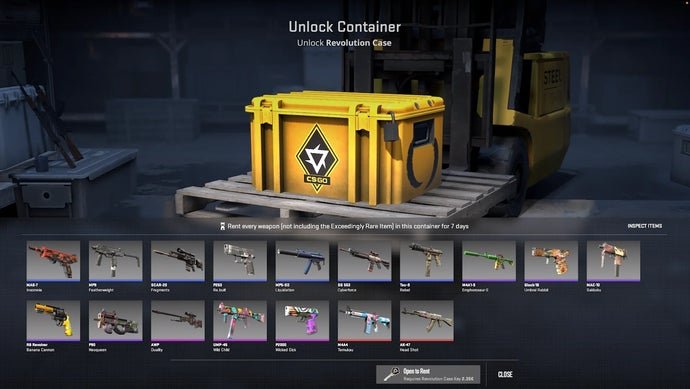
It also highlights that in Counter-Strike 2, the loot box process “resembles a slot machine” and that this design is similar to what casino games “use to entice players to spend money in the hopes of winning something valuable.”
“Illegal gambling can be harmful and lead to serious addiction problems, especially for our young people,” said James.
“Valve has made billions of dollars by letting children and adults alike illegally gamble for the chance to win valuable virtual prizes. These features are addictive, harmful, and illegal, and my office is suing to stop Valve’s illegal conduct and protect New Yorkers.”
Loot box regulation has been a topic of ongoing discussion in the games industry.
Last month, the Supreme Court of Austria ruled that loot boxes in FIFA do not constitute gambling as they require skill. Last September, Brazil banned the sale of loot boxes to minors as part of wider online safety regulations.
For a wider look at lootbox legislation around the world, researcher Leon Y. Xiao delivered his annual rundown for GamesIndustry.biz, which you can read here.
