Close Menu

    Subscribe to Updates

    Get the latest creative news from FooBar about art, design and business.

    What's Hot

    Gartner: Why neoclouds are the future of GPU-as-a-Service

    Runlayer is now offering secure OpenClaw agentic capabilities for large enterprises

    Microsoft Copilot ignored sensitivity labels twice in eight months — and no DLP stack caught either one

    Facebook X (Twitter) Instagram
    • Artificial Intelligence
    • Business Technology
    • Cryptocurrency
    • Gadgets
    • Gaming
    • Health
    • Software and Apps
    • Technology
    Facebook X (Twitter) Instagram Pinterest Vimeo
    Tech AI Verse
    • Home
    • Artificial Intelligence

      Read the extended transcript: President Donald Trump interviewed by ‘NBC Nightly News’ anchor Tom Llamas

      February 6, 2026

      Stocks and bitcoin sink as investors dump software company shares

      February 4, 2026

      AI, crypto and Trump super PACs stash millions to spend on the midterms

      February 2, 2026

      To avoid accusations of AI cheating, college students are turning to AI

      January 29, 2026

      ChatGPT can embrace authoritarian ideas after just one prompt, researchers say

      January 24, 2026
    • Business

      Gartner: Why neoclouds are the future of GPU-as-a-Service

      February 21, 2026

      The HDD brand that brought you the 1.8-inch, 2.5-inch, and 3.5-inch hard drives is now back with a $19 pocket-sized personal cloud for your smartphones

      February 12, 2026

      New VoidLink malware framework targets Linux cloud servers

      January 14, 2026

      Nvidia Rubin’s rack-scale encryption signals a turning point for enterprise AI security

      January 13, 2026

      How KPMG is redefining the future of SAP consulting on a global scale

      January 10, 2026
    • Crypto

      Another European Country Bans Polymarket, Threatens Massive Fine

      February 20, 2026

      Why Is The US Stock Market Up Today?

      February 20, 2026

      Is XRP Price Preparing To Breach Its 2026 Downtrend? Here’s What History Says

      February 20, 2026

      “Disgrace” or “Win for American Wallets”? Supreme Court Tariff Bombshell Sparks Political Meltdown in Washington

      February 20, 2026

      Perle Labs CEO Ahmed Rashad on Why AI Needs Verifiable Data Infrastructure

      February 20, 2026
    • Technology

      Runlayer is now offering secure OpenClaw agentic capabilities for large enterprises

      February 21, 2026

      Microsoft Copilot ignored sensitivity labels twice in eight months — and no DLP stack caught either one

      February 21, 2026

      Be Wary of Bluesky

      February 21, 2026

      CERN rebuilt the original browser from 1989

      February 21, 2026

      Across the US, people are dismantling and destroying Flock surveillance cameras

      February 21, 2026
    • Others
      • Gadgets
      • Gaming
      • Health
      • Software and Apps
    Check BMI
    Tech AI Verse
    You are at:Home»Technology»Police tech can sidestep facial recognition bans now
    Technology

    Police tech can sidestep facial recognition bans now

    TechAiVerseBy TechAiVerseMay 13, 2025No Comments5 Mins Read2 Views
    Facebook Twitter Pinterest Telegram LinkedIn Tumblr Email Reddit
    Police tech can sidestep facial recognition bans now
    Share
    Facebook Twitter LinkedIn Pinterest WhatsApp Email

    Police tech can sidestep facial recognition bans now

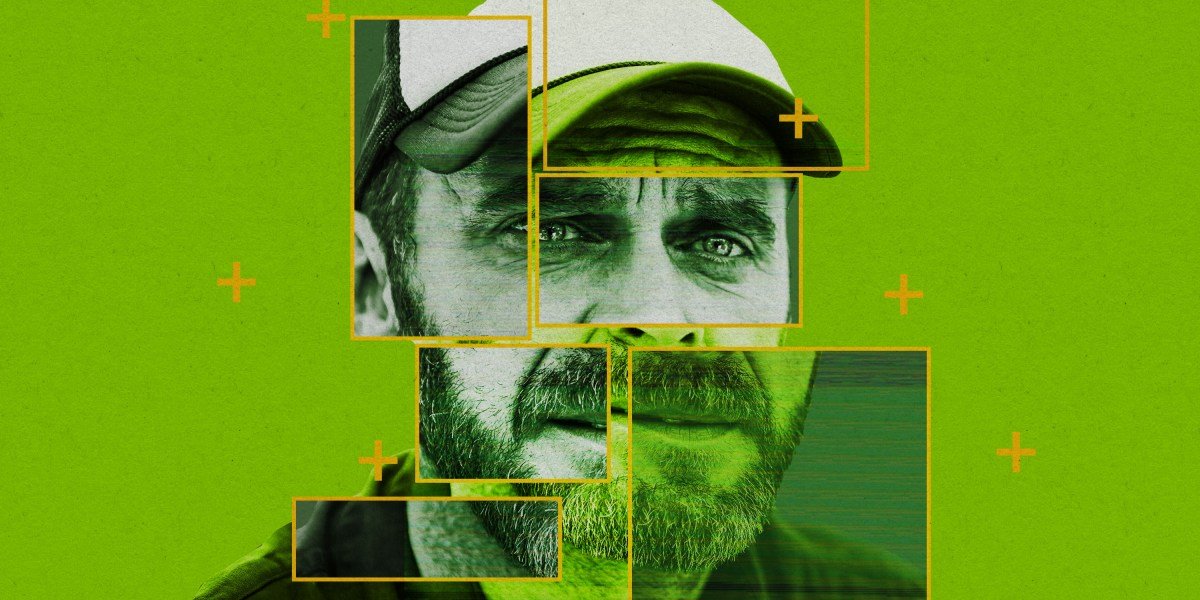
    When does AI cross over from efficiency into surveillance?

    Stephanie Arnett/MIT Technology Review | Adobe Stock

    Six months ago I attended the largest gathering of chiefs of police in the US to see how they’re using AI. I found some big developments, like officers getting AI to write their police reports. Today, I published a new story that shows just how far AI for police has developed since then. 

    It’s about a new method police departments and federal agencies have found to track people: an AI tool that uses attributes like body size, gender, hair color and style, clothing, and accessories instead of faces. It offers a way around laws curbing the use of facial recognition, which are on the rise. 

    Advocates from the ACLU, after learning of the tool through MIT Technology Review, said it was the first instance they’d seen of such a tracking system used at scale in the US, and they say it has a high potential for abuse by federal agencies. They say the prospect that AI will enable more powerful surveillance is especially alarming at a time when the Trump administration is pushing for more monitoring of protesters, immigrants, and students. 

    I hope you read the full story for the details, and to watch a demo video of how the system works. But first, let’s talk for a moment about what this tells us about the development of police tech and what rules, if any, these departments are subject to in the age of AI.

    As I pointed out in my story six months ago, police departments in the US have extraordinary independence. There are more than 18,000 departments in the country, and they generally have lots of discretion over what technology they spend their budgets on. In recent years, that technology has increasingly become AI-centric. 

    Companies like Flock and Axon sell suites of sensors—cameras, license plate readers, gunshot detectors, drones—and then offer AI tools to make sense of that ocean of data (at last year’s conference I saw schmoozing between countless AI-for-police startups and the chiefs they sell to on the expo floor). Departments say these technologies save time, ease officer shortages, and help cut down on response times. 

    Those sound like fine goals, but this pace of adoption raises an obvious question: Who makes the rules here? When does the use of AI cross over from efficiency into surveillance, and what type of transparency is owed to the public?

    In some cases, AI-powered police tech is already driving a wedge between departments and the communities they serve. When the police in Chula Vista, California, were the first in the country to get special waivers from the Federal Aviation Administration to fly their drones farther than normal, they said the drones would be deployed to solve crimes and get people help sooner in emergencies. They’ve had some successes. 

    But the department has also been sued by a local media outlet alleging it has reneged on its promise to make drone footage public, and residents have said the drones buzzing overhead feel like an invasion of privacy. An investigation found that these drones were deployed more often in poor neighborhoods, and for minor issues like loud music. 

    Jay Stanley, a senior policy analyst at the ACLU, says there’s no overarching federal law that governs how local police departments adopt technologies like the tracking software I wrote about. Departments usually have the leeway to try it first, and see how their communities react after the fact. (Veritone, which makes the tool I wrote about, said they couldn’t name or connect me with departments using it so the details of how it’s being deployed by police are not yet clear). 

    Sometimes communities take a firm stand; local laws against police use of facial recognition have been passed around the country. But departments—or the police tech companies they buy from—can find workarounds. Stanley says the new tracking software I wrote about poses lots of the same issues as facial recognition while escaping scrutiny because it doesn’t technically use biometric data.

    “The community should be very skeptical of this kind of tech and, at a minimum, ask a lot of questions,” he says. He laid out a road map of what police departments should do before they adopt AI technologies: have hearings with the public, get community permission, and make promises about how the systems will and will not be used. He added that the companies making this tech should also allow it to be tested by independent parties. 

    “This is all coming down the pike,” he says—and so quickly that policymakers and the public have little time to keep up. He adds, “Are these powers we want the police—the authorities that serve us—to have, and if so, under what conditions?”

    This story originally appeared in The Algorithm, our weekly newsletter on AI. To get stories like this in your inbox first, sign up here.

    Share. Facebook Twitter Pinterest LinkedIn Reddit WhatsApp Telegram Email
    Previous ArticleA US court just put ownership of CRISPR back in play
    Next Article Pi Network Teases Big May 14 Reveal — Here’s What the Community Hopes to See
    TechAiVerse
    • Website

    Jonathan is a tech enthusiast and the mind behind Tech AI Verse. With a passion for artificial intelligence, consumer tech, and emerging innovations, he deliver clear, insightful content to keep readers informed. From cutting-edge gadgets to AI advancements and cryptocurrency trends, Jonathan breaks down complex topics to make technology accessible to all.

    Related Posts

    Runlayer is now offering secure OpenClaw agentic capabilities for large enterprises

    February 21, 2026

    Microsoft Copilot ignored sensitivity labels twice in eight months — and no DLP stack caught either one

    February 21, 2026

    Be Wary of Bluesky

    February 21, 2026
    Leave A Reply Cancel Reply

    Top Posts

    Ping, You’ve Got Whale: AI detection system alerts ships of whales in their path

    April 22, 2025684 Views

    Lumo vs. Duck AI: Which AI is Better for Your Privacy?

    July 31, 2025274 Views

    6.7 Cummins Lifter Failure: What Years Are Affected (And Possible Fixes)

    April 14, 2025158 Views

    6 Best MagSafe Phone Grips (2025), Tested and Reviewed

    April 6, 2025118 Views
    Don't Miss
    Business Technology February 21, 2026

    Gartner: Why neoclouds are the future of GPU-as-a-Service

    Gartner: Why neoclouds are the future of GPU-as-a-Service Neoclouds are set to change the economcs…

    Runlayer is now offering secure OpenClaw agentic capabilities for large enterprises

    Microsoft Copilot ignored sensitivity labels twice in eight months — and no DLP stack caught either one

    Be Wary of Bluesky

    Stay In Touch
    • Facebook
    • Twitter
    • Pinterest
    • Instagram
    • YouTube
    • Vimeo

    Subscribe to Updates

    Get the latest creative news from SmartMag about art & design.

    About Us
    About Us

    Welcome to Tech AI Verse, your go-to destination for everything technology! We bring you the latest news, trends, and insights from the ever-evolving world of tech. Our coverage spans across global technology industry updates, artificial intelligence advancements, machine learning ethics, and automation innovations. Stay connected with us as we explore the limitless possibilities of technology!

    Facebook X (Twitter) Pinterest YouTube WhatsApp
    Our Picks

    Gartner: Why neoclouds are the future of GPU-as-a-Service

    February 21, 20262 Views

    Runlayer is now offering secure OpenClaw agentic capabilities for large enterprises

    February 21, 20260 Views

    Microsoft Copilot ignored sensitivity labels twice in eight months — and no DLP stack caught either one

    February 21, 20260 Views
    Most Popular

    7 Best Kids Bikes (2025): Mountain, Balance, Pedal, Coaster

    March 13, 20250 Views

    VTOMAN FlashSpeed 1500: Plenty Of Power For All Your Gear

    March 13, 20250 Views

    This new Roomba finally solves the big problem I have with robot vacuums

    March 13, 20250 Views
    © 2026 TechAiVerse. Designed by Divya Tech.
    • Home
    • About Us
    • Contact Us
    • Privacy Policy
    • Terms & Conditions

    Type above and press Enter to search. Press Esc to cancel.