

SpaceX Acquires xAI: How Much Is The Combined Company Worth?
Cheng Xin/Getty Images
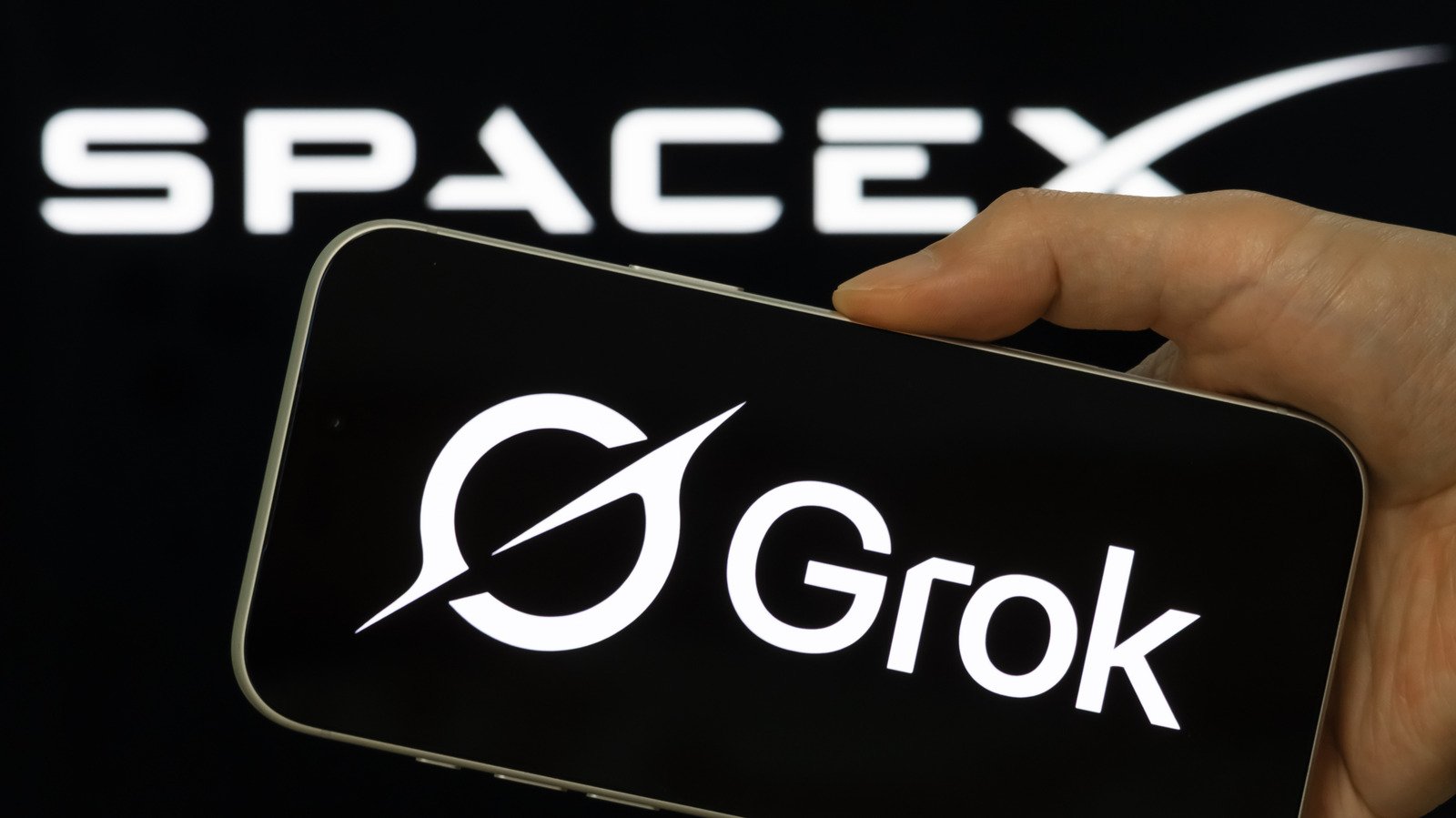
In early February 2026, SpaceX announced that it acquired xAI, an artificial intelligence startup with a mission of building “AI specifically to advance human comprehension and capabilities.” The Palo Alto-based xAI started life as a segment of X (formerly known as Twitter) and used real-time text and information to train AI. Its headlining product is Grok, an AI problem-solving assistant. Both SpaceX and xAI are owned by billionaire Elon Musk.
The deal has been billed as the largest merger ever, but what does that mean? It is structured as a stock-for-stock merger, converting each share of xAI into 0.1433 shares of SpaceX stock. At the time of the merger announcement, xAI stock was valued at $75.46 per share, and SpaceX at $526.59 per share. Based on bank documents, the value of the new combined company is a staggering $1.25 trillion, with SpaceX currently valued at $1 trillion and xAI valued at $250 billion.
In a time when many Americans are struggling with the rising cost of living — food is almost 20% more expensive now than it was in 2022, according to a CBS News tracker – it can be difficult to read news about a $1.25 trillion merger and believe it will impact your life. But it just may. Elon Musk said the motivation behind the merger is to create what he calls orbital data centers. Currently, the data centers that power AI are based here on Earth, and these controversial facilities require massive amounts of energy and land. There are serious concerns about the environmental impact of these facilities, and many people don’t want them in their neighborhoods. Elon Musk’s solution? Put them in space.
Orbital data centers
Brandon Moser/Getty Images
Data centers in orbit around Earth rather than here on the ground may sound like something out of a science fiction novel, but let’s be honest, so did reusable rocket boosters that land by themselves, until SpaceX did it. Now the company is setting its sights on AI, even as it continues to push the envelope when it comes to space exploration.
Artificial intelligence requires massive amounts of computing power. In 2024, NPR reported that one ChatGPT query uses almost ten times the electricity as one Google search, or the same amount of electricity as lighting a lightbulb for 20 minutes! The result is an explosion of data centers across the country that require massive amounts of both power and water. Elon Musk would like to see those data centers in space instead. Beginning in 2026, SpaceX plans to use Starship for satellite deployment for the first time, having previously relied on the Falcon program, taking the satellite program to new heights (pun intended).
Eventually Musk plans to launch up to one million solar-powered satellites that would work as orbital data centers. These satellites would have a constant energy source — the sun — and rather than rely on the cooling measures used in earth-bound data centers, they could release heat directly into space to cool off. It sounds ambitious, with some experts saying we’re a decade away from such technology, but Musk estimates “that within 2 to 3 years, the lowest cost way to generate AI compute will be in space.”
