

The RAM shortage is here to stay, but Samsung clears that SSDs will be spared for now
No, Samsung isn’t taking your SSD away (yet)
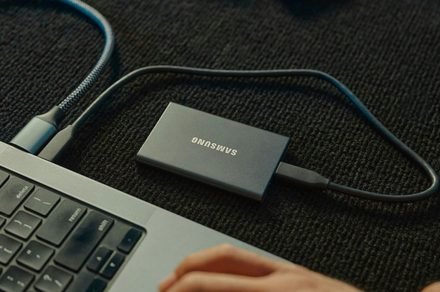
Samsung T7 Portable SSD
Unsplash
Samsung is officially stepping in to shut down the panic. The company has firmly denied reports that it plans to kill off its consumer SATA SSD production. In a direct statement, a spokesperson made it clear: the rumors are false, and Samsung isn’t going anywhere.
The rumors didn’t come out of nowhere. The global supply chain for memory is currently under massive pressure. With AI companies and cloud giants buying up insane amounts of hardware, manufacturers are struggling to keep up. The tension hit a breaking point recently when Micron unexpectedly pulled its Crucial brand out of the consumer SSD game. That move made everyone look at Samsung – the biggest player in the yard – and wonder if they were next.
Samsung denies SSD exit, but memory shortages persist
This clarification matters because SATA SSDs are still the workhorses of the PC world. Sure, NVMe drives are faster, but SATA is what keeps older laptops, budget builds, and mass storage systems running. If Samsung had actually pulled the plug, it would have created a massive hole in the market, likely sending prices through the roof.
However, Samsung staying in the game doesn’t mean the market is safe from chaos. The “AI boom” is forcing manufacturers to prioritize high-profit, high-tech memory (like HBM) for data centers over the standard stuff regular people buy. This shift is already causing shortages in general RAM and consumer storage. PC makers are feeling the pinch, and unfortunately, those rising costs are starting to trickle down to the price tags we see at checkout.
For the average buyer, the takeaway is simple: Samsung SSDs will stay on the shelves, but don’t count on the prices staying low. Even without a full exit, the limited supply and high demand from the AI sector mean SSDs could stay expensive for the near future. If you were planning to upgrade your storage or build a new rig, you might want to act sooner rather than later.
Looking forward, don’t expect a quick fix. Other major players like SK hynix have admitted that supply bottlenecks are going to take months to clear up. As long as AI continues to dominate the tech world’s wallet, the consumer storage market is going to remain a bit of a bumpy ride well into next year.
Moinak Pal is has been working in the technology sector covering both consumer centric tech and automotive technology for the…
ChatGPT now lets you create and edit images faster and more reliably
Its new image generation model promises up to four times faster creation and more precise edits.
After upgrading ChatGPT with its latest GPT-5.2 model last week, OpenAI has rolled out a major improvement for the chatbot’s image generation capabilities, positioning it as a strong competitor to Google’s Nano Banana Pro. Powered by OpenAI’s new flagship image generation model, the latest version of ChatGPT Images promises up to four times faster image generation and far more accurate, reliable results that closely follow user instructions.
OpenAI says the new image generation model performs better, both when users generate images from scratch and when they edit existing photos. It preserves important details across edits while giving users precise control over changes. Users can add, subtract, combine, blend, and transpose elements while editing, and even add stylistic filters or perform conceptual transformations.
Gemini web app just got Opal where you can build mini apps with no code
Google Labs’ Opal is now in Gemini’s Gems manager, letting you chain prompts, models, and tools into shareable workflows.
Opal is now inside the Gemini web app, which means you can build reusable AI mini-apps right where you already manage Gems. If you’ve been waiting for an easier way to create custom Gemini tools without writing code, this is Google’s latest experiment to try.
Google Labs describes Opal as a visual, natural-language builder for multi-step workflows, the kind that chain prompts, model calls, and tools into a single mini app. Google also says Opal handles hosting, so once an app’s ready, you can share it without setting up servers or deploying anything yourself.
Love the Now Brief on Galaxy phones? Google just built something better
CC launches in early access today for consumer account users 18+ in the U.S. and Canada, starting with Google AI Ultra and paid subscribers.
Google Labs just introduced CC, an experimental AI productivity agent built with Gemini that sends a Google CC daily briefing to your inbox every morning. The idea is to replace your usual tab-hopping with one “Your Day Ahead” email that spells out what’s on deck and what to do next.
If you like the habit of checking a daily summary like Now Brief on Galaxy phones, CC is Google’s take, but with a different home base. Instead of living as something you check on your phone, Google is putting the briefing in email and letting you reply to it for follow-up help.
