

The US Navy Has Now Officially Approved Use Of This Lethal Smart Weapon
ranchorunner/Shutterstock
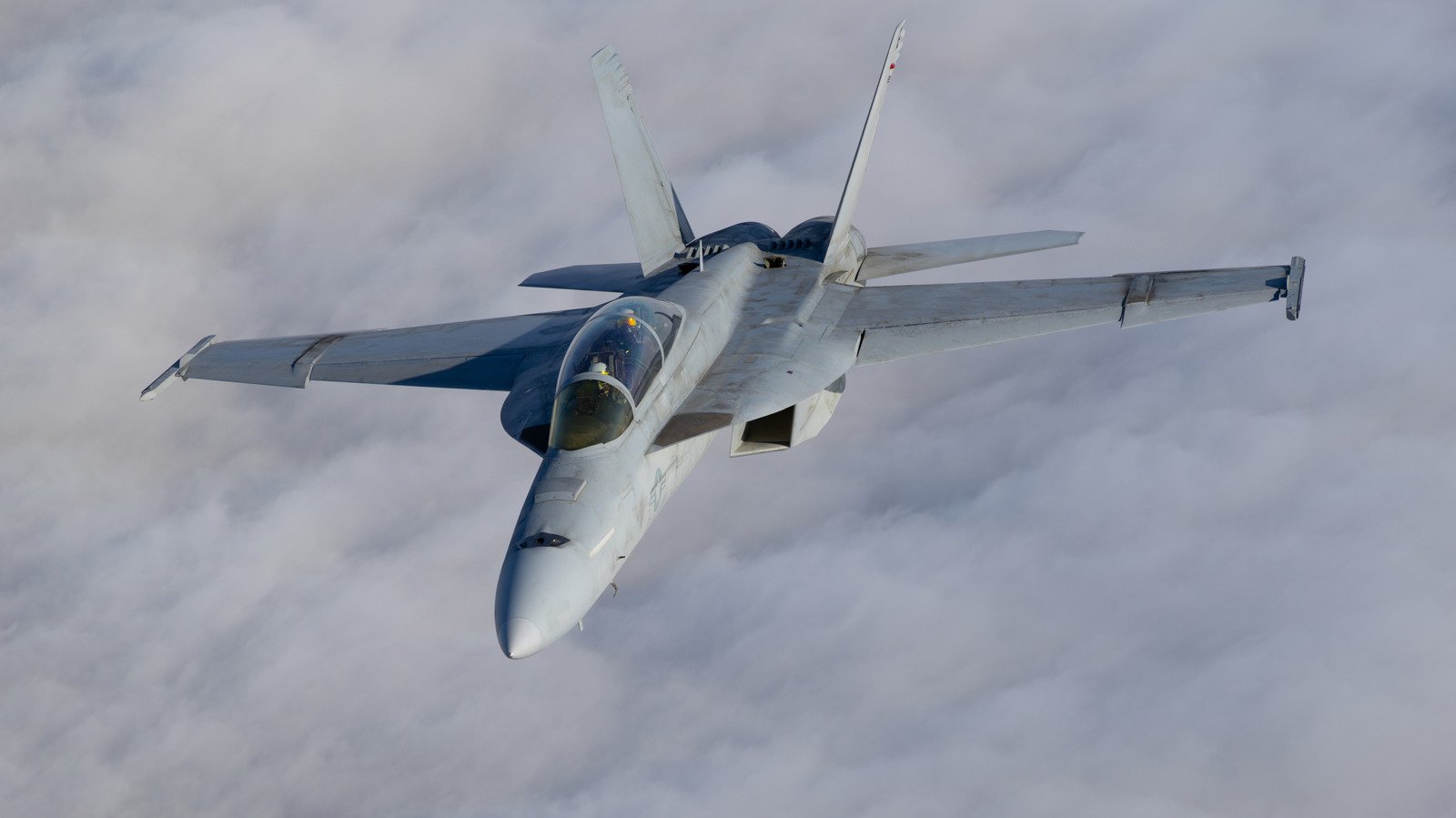
After months of testing the smart weapon, not to mention the many years and hundreds of millions of dollars spent developing it, the U.S. Navy has approved the Raytheon StormBreaker for operational use in the F/A-18-E/F Super Hornet. This development comes soon after the StormBreaker achieved a development milestone in September 2025, going from prototype and test unit in 50 days. Carrying the StormBreaker means Navy Super Hornet squadrons can now engage both moving and stationary targets, no matter whether they’re flying in daylight, darkness, or severe weather.
That’s a big upgrade to the Super Hornet’s existing strike capabilities, which have struggled in such rough conditions in the past. The StormBreaker also has several other advantages. For one, the weapon can travel more than 45 miles, which means that pilots won’t have to spend as much time within range of enemy defenses. Its relatively small size also means the Super Hornet can reasonably carry more of them simultaneously, which translates to needing fewer aircraft in the air to hit the same number of targets.
How the StormBreaker works and what it costs
Flying Camera/Shutterstock
The Super Hornet first carried the StormBreaker in 2023, and the bomb has performed impressively since then. As of February 2026, the bomb has already been approved for the F-15E and is being adapted for all three variants of the F-35 fighter jet as well. Its defining feature is a three-part guidance system that detects, classifies, and tracks targets using millimeter wave radar, imaging infrared, and semi-active laser guidance. Each guidance method feeds its targeting data back into a shared processing architecture that can then identify and take out fixed or moving targets on land or at sea, regardless of time of day or level of visibility.
To get a better idea of what this advanced tech costs the Air Force, we can look to a $320 million order for 1,500 units back in 2023. That works out to just over $213,000 per bomb (or three times the average American’s annual salary, for context). Despite the cost, defense officials say it’s necessary because adversaries have been taking advantage of bad weather and visual obstructions to dodge attacks. The approval of this all-weather capability addresses that operational gap by giving the Super Hornet a new option when traditional line-of-sight targeting is compromised.
