

Western Digital is out of hard drives, because AI (of course)
Summary created by Smart Answers AI
In summary:
- Western Digital is completely sold out of hard drive production capacity through 2026 due to massive demand from AI data centers.
- PCWorld reports that hard drive prices have surged nearly 50% in just five months as companies prioritize industrial clients over consumers.
- This AI-driven shortage could make hard drives increasingly inaccessible for regular users, similar to Micron’s recent consumer market exit.
It kind of feels like the last six months of my job has just been telling you about all the different ways the “AI” industry is making life suck. And I’m just a guy who writes about computers! I barely even touch on its environmental impact or mental health issues. But I digress. Here’s the latest way in which the “AI” industry is making life suck for all of us: “AI” data centers are gobbling up all the hard drives.
Yes, hard drives. Spinning disks that hold ones and zeroes. I can’t even remember the last time I saw a PC on a shelf that defaulted to hard drive storage—they’re really only relevant for consumers who have to store multiple terabytes of data. But “AI” models need to hold lots of data, too, which is why Western Digital is now out of hard drives for the rest of the year. “We’re pretty much sold out for calendar year 2026,” said CEO Irving Tan in the company’s latest earnings report.
In context, that means sold out of production capacity for 2026, as the company earmarks its output for various customers. You can still find WD drives on digital storefronts and store shelves, at least for now. But it seems the company is following in the footsteps of memory and flash storage producers by prioritizing industrial supply over regular consumers. Here’s a long quote from Tan:
“As AI capabilities expand, cloud continues to grow as well, and both are driving the search and demand for higher density storage solutions. In this new era where AI and cloud dominate, Western Digital has taken a customer-focused approach to managing this strong demand by working closely with our hyperscale customers, ensuring that we deliver reliable, high-capacity drives at scale to give them the best performance and total cost of ownership.”
If you can’t parse the corporate speak, that means “we’re selling a lot of really big hard drives to data centers.” According to the data elsewhere in the report, just under 90 percent of Western Digital’s business is now supplying drives to cloud storage, with only 5 percent of revenue coming from consumers. It seems all too easy—almost inevitable—that WD could just exit the consumer market entirely. Memory producer Micron did just that, axing its Crucial brand of consumer RAM and storage, though the company insists it’s still selling RAM to PC manufacturers. Tom’s Hardware reports that hard drive prices are already jumping, up by almost 50 percent in the last five months. That’s not the nightmare spiral that RAM has seen, but it’s not a good thing, either.
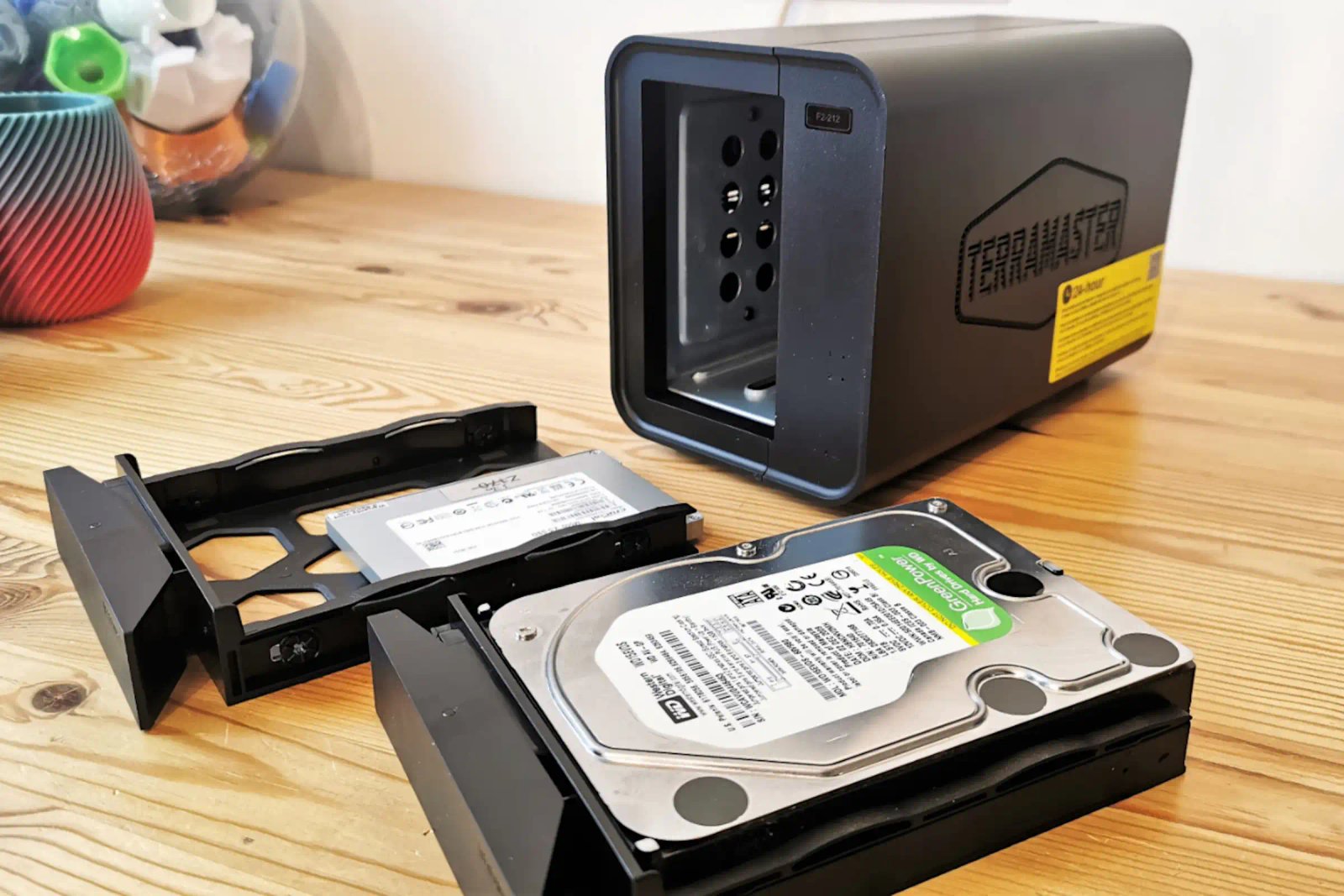
As I said, hard drives aren’t really a concern if you’re only buying a standard laptop or desktop. But for consumers who have a deep appetite for data, like those who roll their own network-attached storage (NAS) for home servers or streaming setups, or those who just prefer to keep their massive Steam libraries downloaded locally, hard drives are still very relevant. And they’re going to get a lot faster soon, if still nowhere near as speedy or efficient as flash storage. I wonder if we’ll ever be able to buy those fancy future devices on Amazon.
Author: Michael Crider, Staff Writer, PCWorld
Michael is a 15-year veteran of technology journalism, covering everything from Apple to ZTE. On PCWorld he’s the resident keyboard nut, always using a new one for a review and building a new mechanical board or expanding his desktop “battlestation” in his off hours. Michael’s previous bylines include Android Police, Digital Trends, Wired, Lifehacker, and How-To Geek, and he’s covered events like CES and Mobile World Congress live. Michael lives in Pennsylvania where he’s always looking forward to his next kayaking trip.
