Xiaomi 17 Ultra review – Best overall package in the smartphone sector meets Leica APO zoom – NotebookCheck.net Reviews
The new flagship from Xiaomi is a top-class smartphone in every respect. In addition to super-thin display bezels, strong performance and a bright OLED display, the Xiaomi 17 Ultra also delivers one of the best speaker systems.
The Leica cameras are also among the best in a smartphone, even if we see a Vivo X300 Pro slightly ahead here. However, the new 1-inch sensor with its outstanding dynamic range is a demonstration of power with regard to the photo quality of a Galaxy S25 Ultra or iPhone 17 Pro.
We cannot attest to any notable weaknesses in the Xiaomi 17 Ultra. However, we still see potential for improvement in the camera software – for example, in the color reproduction. We would also like to see an automated evaluation of image information, as Oppo has introduced in its X9 Pro with LUMO image processing, in the future.
Like almost all current smartphones with a high-end chip, we can also provoke pronounced SoC throttling for the Xiaomi phone. However, the throttling of the Snapdragon 8 Elite Gen 5 in the Xiaomi 17 Ultra is kept within limits and is comparatively moderate.
We have slight criticism for the charging speed. On paper, 90 watts looks very good, but other flagship phones charge much faster in everyday use.
Pros
+ very bright OLED panel
+ strong camera quality
+ high performance
+ good stereo sound
+ high-quality appearance
Cons
– lower display resolution than predecessor
– color reproduction of the cameras not optimal
– high waste heat & SoC throttling
– charging times could be faster
In China, the Xiaomi 17 Ultra is available from a price of 7,000 yuan (around $1000). As an import, the new Xiaomi flagship starts at around 860 Euros (~$1017), including from our rental provider Trading Shenzhen. A global launch is expected at the Mobile World Congress in March, but Xiaomi has not yet confirmed this.
In addition to the price (the predecessor has an RRP of 1,500 Euros/~$1774), the global Xiaomi 17 Ultra will also have a disadvantage in terms of features according to current information, as compared to the CN model.
- $5.99
Aiziki (2 Pack Designed for Xiaomi 17 Ultra/17 Pro Max Screen Protector Tempered Glass, Ultra Resistant, 9H Hardness Shatterproof, Scratch-Resistant, Bubble Free for Xiaomi 17 Ultra Screen Protector
- $14.99
UOGNADGD 6-Pack Tempered Glass Screen Protector Compatible with Xiaomi 17 Ultra by Leica (6.9 inch), [Maximum Protection] from Drops & Scratches, 9H Hardness
- $4.74
Aiziki (2 Pack Designed for Xiaomi 17 Screen Protector Tempered Glass, Ultra Resistant, 9H Hardness Shatterproof, Scratch-Resistant, Bubble Free for Xiaomi 17 Screen Protector, Case Friendly
The successor to the Xiaomi 15 Ultra makes the hearts of camera fans beat faster again. Thanks to a new optical zoom, the flagship smartphone can now be used between a focal length of 75 mm and 100 mm without any loss of quality. This year, the optics on the back are even Leica APO-certified. Together with the 1-inch sensor and LOFIC technology of the main camera, the Xiaomi 17 Ultra will be an exciting competitor for our best camera flagship of the year.
One small fly in the ointment is that the global version will probably be at a disadvantage compared to the China model in terms of battery capacity. Similar to the Xiaomi 17 the manufacturer will also reduce the battery capacity of the Ultra model in Europe from 6,800 mAh to 6,000 mAh.
Display
6.90 inch 19.5, 2608 x 1200 pixel 416 PPI, capacitive Touchscreen, AMOLED, LTPO. 2160 Hz PWM, HDR, 120 Hz
Storage
512 GB UFS 4.1 Flash, 512 GB
, 476 GB free
Connections
1 USB 3.0 / 3.1 Gen1, USB-C Power Delivery (PD), 1 HDMI, 1 DisplayPort, 1 Infrared, Audio Connections: USB-C, 1 Fingerprint Reader, NFC, Brightness Sensor, Sensors: accelerometer, proximity, gyro, compass, barometer, OTG, Miracast
Networking
Wi-Fi 7 (a/b/g/n = Wi-Fi 4/ac = Wi-Fi 5/ax = Wi-Fi 6/ Wi-Fi 6E 6 GHz be = Wi-Fi 7), Bluetooth 5.4, 5G: n1 / n2 / n3 / n5 / n7 / n8 / n12 / n13 / n18 / n20 / n25 / n26 / n28 / n38 / n40 / n41 / n48 / n66 / n70 / n77 / n78 / n79 / n80 / n81 / n83 / n84 / n89: 4G:FDD-LTE:B1 / B2 / B3 / B4 / B5 / B7 / B8 / B12 / B13 / B17 / B18 / B19 / B20 / B25 / B26 / B28 / B66; TDD-LTE:B34 / B38 / B39 / B40 / B41 / B42 / B48; 3G:B1 / B2 / B4 / B5 / B6 / B8 / B19; 2G:B2 / B3 / B5 / B8, Dual SIM, LTE, 5G, GPS
Size
height x width x depth (in mm): 8.3 x 162.9 x 77.6 ( = 0.33 x 6.41 x 3.06 in)
Battery
6800 mAh Silicon-Carbon
Charging
wireless charging, fast charging / Quickcharge
Operating System
Android 16
Camera
Primary Camera: 50 MPix (f/1.7, 23 mm, 1″, OIS) + 200 MPix (f/2.4-3.0, 75-100 m, tele, 1/1.4″, OIS, 3.2-4.3x optical) + 50 MPix (f/2.2, 14 mm, ultrawide, 1/2.76) + TOF (depth)
Secondary Camera: 50 MPix (1/2.88″, AF, f/2.2)
Additional features
Speakers: Stereo, charger, USB cable, case, HyperOS, 12 Months Warranty, widevine L1, IP68 + IP69, GPS (L1+L5), BDS (B1I+B1c+B2a), GALILEO (E1+E5a), QZSS (L1+L5), NavIC (L5), GLONASS, Xiaomi 17 Ultra , fanless, waterproof
Weight
224 g ( = 7.9 oz / 0.49 pounds), Power Supply: 113 g ( = 3.99 oz / 0.25 pounds)
Note: The manufacturer may use components from different suppliers including display panels, drives or memory sticks with similar specifications.
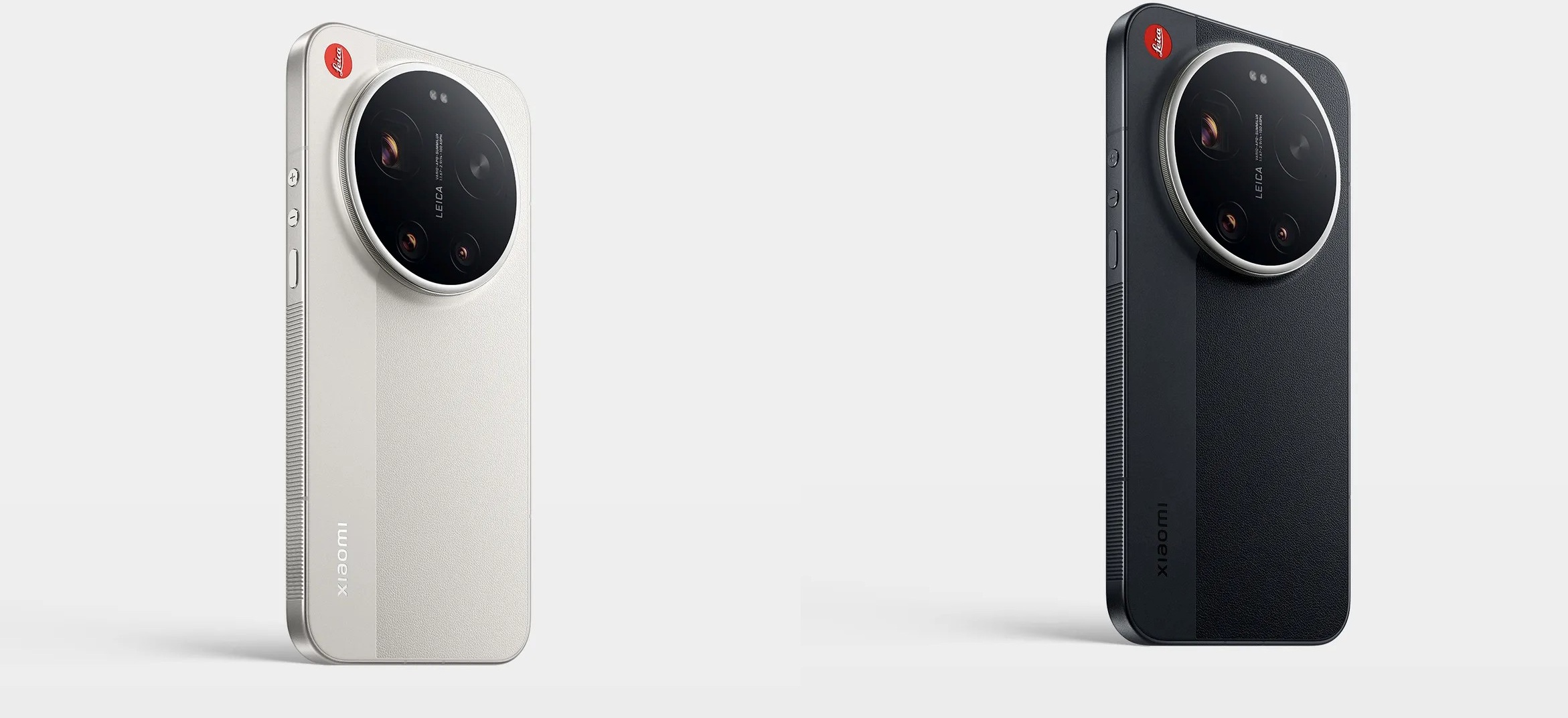
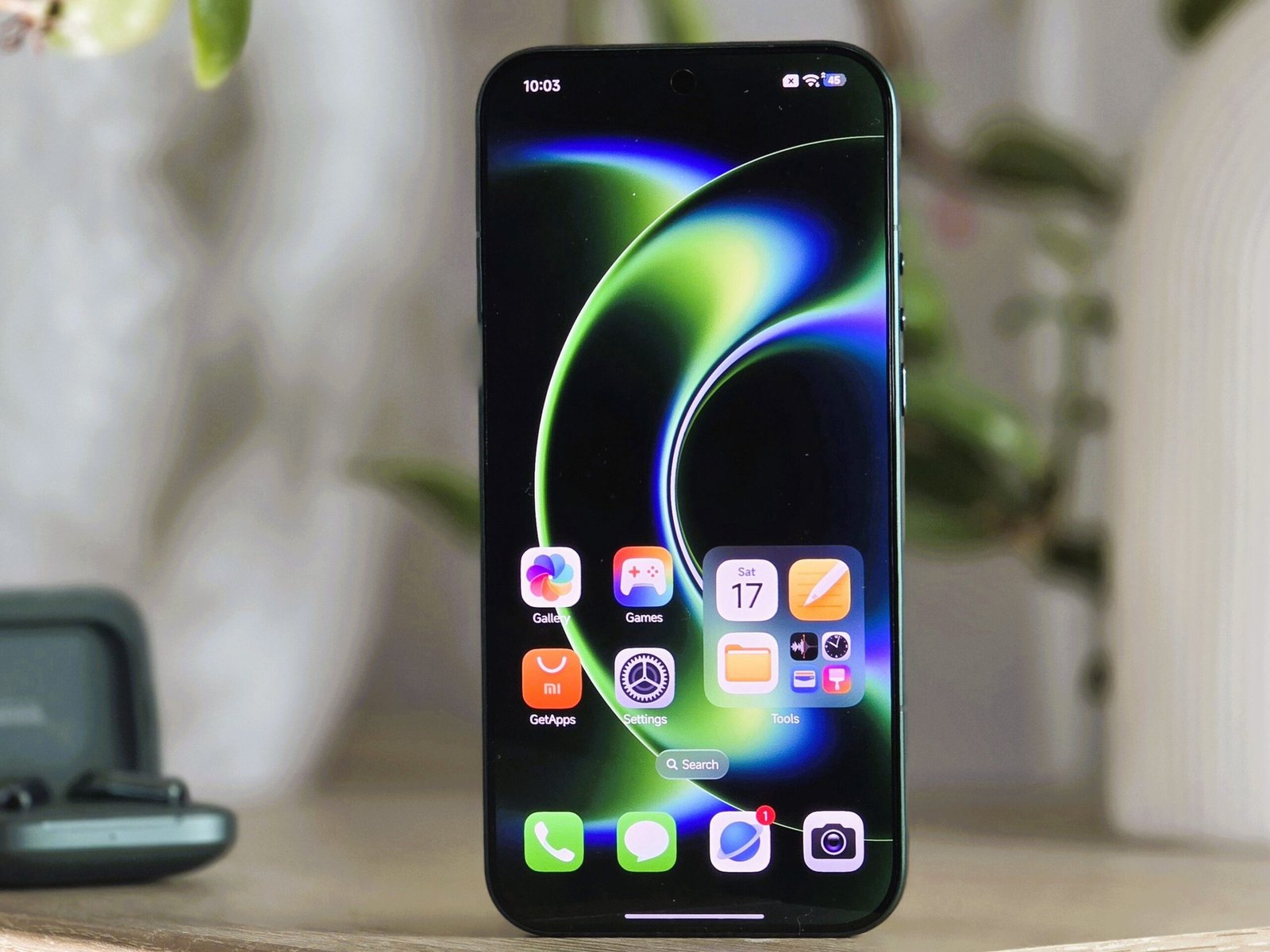
Xiaomi is launching its flagship on the market in four color options, whereby the green model with its sparkling back is not made of glass but of fiberglass (plastic). The feel of our test sample with its matte metal frame nevertheless feels surprisingly high-quality – there is no plastic feeling. At 6.9 inches and a weight of 224 grams (~7.9 oz), the Xiaomi 17 Ultra is neither handy nor light and therefore certainly not for everyone.
The high-end smartphone is both dustproof and waterproof and can even withstand water at high pressure. The very thin display edges and an extremely efficient screen-to-body ratio of over 92 percent are worth highlighting. Xiaomi Shield Glass 3.0 is used as the protective glass.
In addition to the standard version, this year there is also a Leica edition with the red manufacturer’s logo and a back made of vegan leather (plastic). The words “Leica Camera Germany” are also engraved on the right-hand side of the case and the HyperOS interface has also been customized. The most important feature, however, is the rotating ring around the Leica camera, which can be used to zoom or adjust the exposure.
Both versions of the Xiaomi smartphone lack an extra button to trigger the camera or a kind of alert slider.
The Xiaomi 17 Ultra offers a fast USB 3.2 port, which supports wired image output and OTG. There is also an NFC and UWB chip as well as an IR blaster. Miracast is also on board, allowing the Xiaomi smartphone to connect wirelessly to a screen.
The Xiaomi 17 Ultra comes pre-installed with version 3 of the company’s own HyperOS user interface. HyperOS Interconnectivity is supported, which allows Xiaomi devices to be networked with each other, as well as data transfer with Apple devices such as the iPad, is possible.
In contrast to an Oppo Find X9 Pro, when importing HyperOS smartphones, the Chinese version only has English as the only European language and the Google Store must be retrofitted via Xiaomi’s App Store. However, the Google frameworks are already on board. In addition, the bootloader can no longer be opened outside mainland China.
Xiaomi will only announce the exact update period for the global version. According to the software promise, the predecessor will receive four years Android- as well as six years of security updates.
The packaging of the Xiaomi 17 Ultra is plastic-free, but is shrink-wrapped for sale.
Xiaomi has not yet provided any specific information on the proportion of recycled materials in its flagship smartphone. It is also not possible to estimate the ecological footprint at present. Those who attach great importance to sustainability should probably look at Samsung or Apple.
The high-end phone from Xiaomi comes with a wide range of frequencies for all modern mobile communication standards – even in the China version. Wi-Fi 7 is available for a Wi-Fi connection, including the fast 6 GHz band.
In combination with our reference router Asus ROG Rapture GT-AXE11000, this combination ensures high transfer rates in the test. However, our measurement shows some significant drops in data exchange. However, this should have little relevance in everyday use.
| Networking | |
| Xiaomi 17 Ultra Wi-Fi 7 |
|
| iperf3 transmit AXE11000 |
|
| iperf3 receive AXE11000 |
|
| iperf3 transmit AXE11000 6GHz |
|
| iperf3 receive AXE11000 6GHz |
|
| Samsung Galaxy S25 Ultra Wi-Fi 7 |
|
| iperf3 transmit AXE11000 |
|
| iperf3 receive AXE11000 |
|
| iperf3 transmit AXE11000 6GHz |
|
| iperf3 receive AXE11000 6GHz |
|
| Oppo Find X9 Pro 802.11 a/b/g/n/ac/ax/be |
|
| iperf3 transmit AXE11000 |
|
| iperf3 receive AXE11000 |
|
| Xiaomi 17 Pro Max 802.11 a/b/g/n/ac/ax/be |
|
| iperf3 transmit AXE11000 |
|
| iperf3 receive AXE11000 |
|
| iperf3 transmit AXE11000 6GHz |
|
| iperf3 receive AXE11000 6GHz |
|
| Xiaomi 15 Ultra Wi-Fi 7 |
|
| iperf3 transmit AXE11000 |
|
| iperf3 receive AXE11000 |
|
| iperf3 transmit AXE11000 6GHz |
|
| iperf3 receive AXE11000 6GHz |
|
| Average Wi-Fi 7 |
|
| iperf3 transmit AXE11000 |
|
| iperf3 receive AXE11000 |
|
| iperf3 transmit AXE11000 6GHz |
|
| iperf3 receive AXE11000 6GHz |
|
| Average of class Smartphone |
|
| iperf3 transmit AXE11000 |
|
| iperf3 receive AXE11000 |
|
| iperf3 transmit AXE11000 6GHz |
|
| iperf3 receive AXE11000 6GHz |
|
Xiaomi 17 Ultra Wi-Fi 7; iperf3 transmit AXE11000 6GHz: Ø922 (721-1081)
Xiaomi 15 Ultra Wi-Fi 7; iperf3 transmit AXE11000 6GHz; iperf 3.1.3: Ø1566 (1348-1604)
Xiaomi 17 Ultra Wi-Fi 7; iperf3 receive AXE11000 6GHz: Ø1697 (1513-1771)
Xiaomi 15 Ultra Wi-Fi 7; iperf3 receive AXE11000 6GHz; iperf 3.1.3: Ø1618 (1545-1651)
Xiaomi 17 Ultra Wi-Fi 7; iperf3 transmit AXE11000: Ø959 (636-1165)
Xiaomi 15 Ultra Wi-Fi 7; iperf3 transmit AXE11000; iperf 3.1.3: Ø984 (960-1005)
Xiaomi 17 Ultra Wi-Fi 7; iperf3 receive AXE11000: Ø1595 (953-1768)
Xiaomi 15 Ultra Wi-Fi 7; iperf3 receive AXE11000; iperf 3.1.3: Ø839 (800-859)
Dual and tri-band connectivity in global satellite networks is available for positioning. The satellite fix is highly accurate both indoors and outdoors.
We compare the Xiaomi 17 Ultra with our reference Garmin Venu 2 during a car journey. The flagship smartphone is very well suited for everyday navigation tasks. The deviations from our route are very small in our test.
Our China version supports dual SIM with two nano-SIMs. If you would like to use eSIMs, you will have to wait for the global model, where the SIM types can also be combined. Functions such as Vo5G, VoLTE and Wi-Fi calls are of course included in a flagship phone.
The voice quality of the Xiaomi 17 Ultra is natural and the ambient noise suppression works well.
The heart of the rear Summilux camera setup is still a 1-inch sensor, but it no longer comes from Sony. The high-end phone from Xiaomi now uses the Omnivision OV50X with LOFIC technology for better dynamic range. The sensor, marketed under the name Light Hunter 1050L – or Light Fusion internationally – is said to benefit particularly in high-contrast scenes with highlights and shadow details.
Our test photos with the main camera speak for themselves. Even in low light, the Xiaomi 17 Ultra offers a high level of detail and an appealing sharpness. We see some potential for improvement in the slightly brighter color reproduction in Leica Vibrant mode.
The new telephoto lens with an optical Leica APO lens design including three specially manufactured glass lenses to minimize chromatic aberrations is exciting. The new optics of the 17 Ultra are designed to significantly reduce purple and green color fringing, even in high-contrast shots. According to Xiaomi, the first camera with APO certification in a smartphone can also optically enlarge the subject in a range between 75 mm and 100 mm, depending on the focal length with an aperture of f/2.39 to f/2.96.
The 200 MPix camera, based on the new Samsung ISOCELL HPE, impresses with a good level of sharpness, even in less than ideal lighting conditions. The lossless zoom between 3.2x and 4.3x is a “nice-to-have” feature, but the difference in focal length is too small to offer much added value in everyday use.
The final element is a 14 mm ultra-wide-angle lens, which also serves as a macro lens with a minimum distance of 5 cm (~2 inches) to the object. The same sensor is used here as in the predecessor, which nevertheless achieves good imaging performance.
The Xiaomi 17 Ultra records videos with any camera up to 8K, although the latter is only possible at 30 fps. In UHD quality, up to 120 frames per second are available and 60 fps can be filmed in Dolby Vision. Thanks to the large sensor, the results are well lit even in low light and have an appealing sharpness.
Image comparison
Choose a scene and navigate within the first image. One click changes the position on touchscreens. One click on the zoomed-in image opens the original in a new window. The first image shows the scaled photograph of the test device.
Main cameraMain cameraLow LightUltrawide angle
click to load images
Under controlled lighting conditions, the Xiaomi 17 Ultra shows good color reproduction, although the deviations in Vibrant color mode are quite high for a high-end phone. The highest deviations are in blue tones, which are sometimes very bright.
14.6 ∆E
7.2 ∆E
16.9 ∆E
16.6 ∆E
14.1 ∆E
6 ∆E
7.4 ∆E
18.2 ∆E
11.5 ∆E
8.7 ∆E
7.7 ∆E
4.9 ∆E
11.2 ∆E
12.6 ∆E
13.3 ∆E
0.9 ∆E
12.7 ∆E
16 ∆E
10.3 ∆E
6.5 ∆E
10.5 ∆E
14.4 ∆E
10 ∆E
2.3 ∆E
14.2 ∆E
11.9 ∆E
12.8 ∆E
14.1 ∆E
13.4 ∆E
18.6 ∆E
13.9 ∆E
10 ∆E
7.5 ∆E
13 ∆E
17.3 ∆E
18.3 ∆E
8.3 ∆E
16.6 ∆E
4.9 ∆E
15.9 ∆E
7.6 ∆E
13.7 ∆E
10.8 ∆E
17.6 ∆E
14 ∆E
14.8 ∆E
12.7 ∆E
12.9 ∆E
The China version of the Xiaomi 17 Ultra comes with a USB cable, a SIM tool, a protective case and a quick charger.
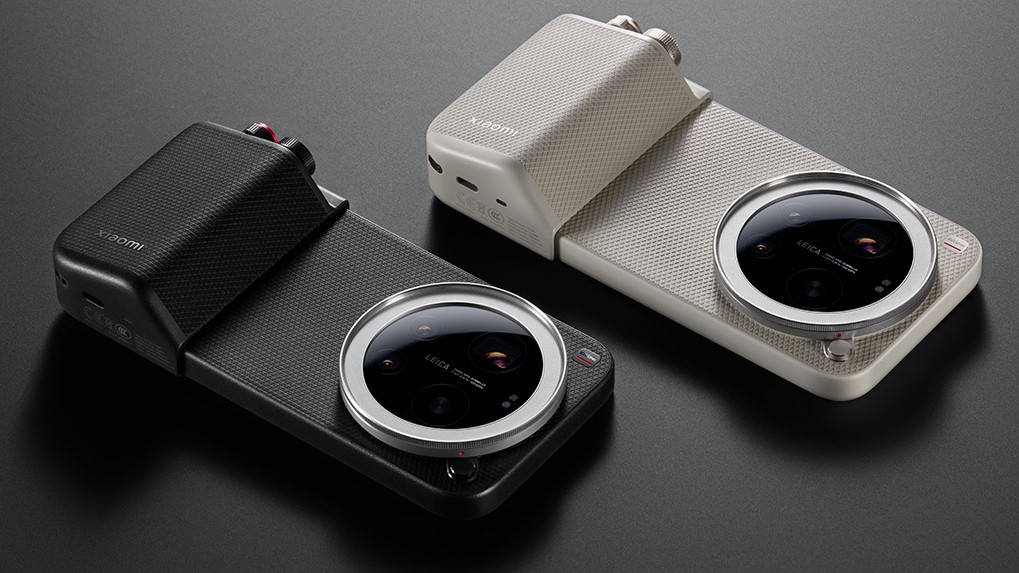
There is also an optional camera kit for the flagship phone with camera grip and two shutter buttons, rotating filter adapter ring and magnetic protective cover. The IP54 water-resistant expansion kit is available in black and white with a 2,000 mAh battery for around 180 Euros (~$213).
In China the device has a warranty of 12 months.
A highlight of the Xiaomi 17 Ultra is the fingerprint sensor with its fast ultrasound recognition and very high reliability. Biometric unlocking is made possible via a face unlock function using the front camera in 2D mode. The linear electric motor also ensures very precise vibrations and a feeling of value.
The capacitive touchscreen has a sampling rate of up to 300 Hz and responds quickly to inputs. Animations are displayed very smoothly on the 120 Hz OLED panel.
The new flagship phone is the first model in the Ultra series with a flat display. However, Xiaomi has also reduced the resolution and simultaneously increased the screen diagonal to 6.9 inches.
Is this annoying in everyday use? No, not really, because with over 400 ppi the panel is sufficiently sharp. The integrated LTPO technology can again adjust the refresh rate variably between 1 and 120 Hz and everything your heart desires in terms of HDR standards is supported.
In our measurement with an APL18 sample, we achieve the peak brightness of 3,500 nits offered by Xiaomi. A very good value, but there are OLEDs on the Market that are a good deal brighter.
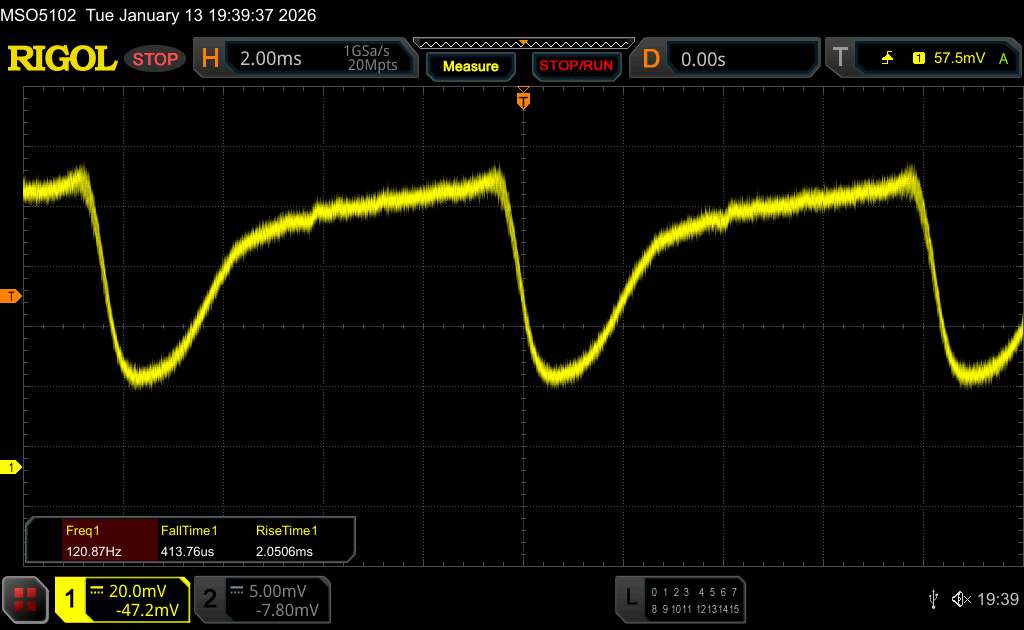
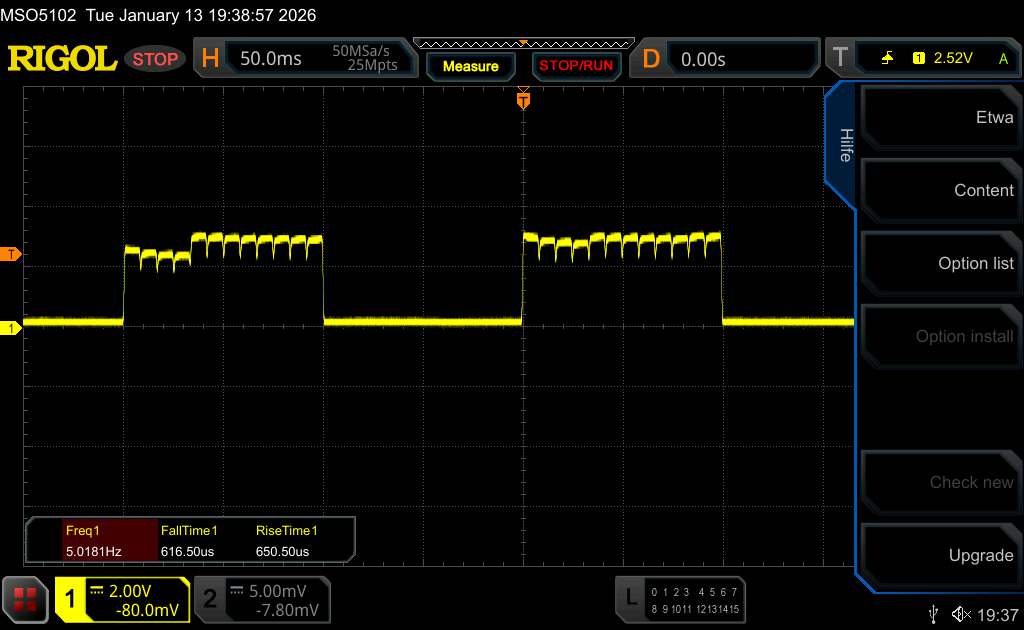
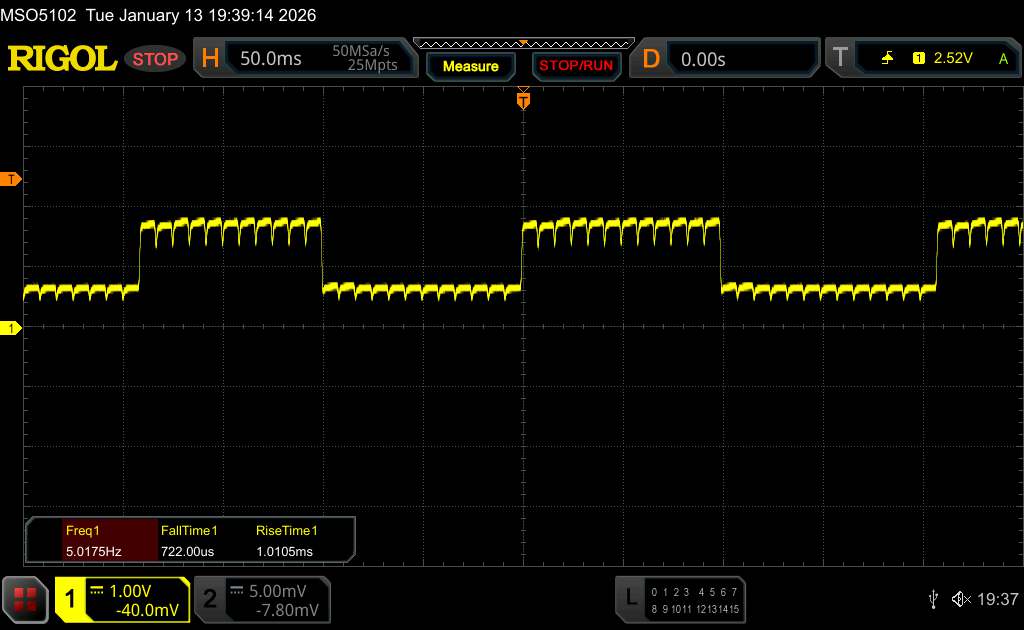
With the oscilloscope, we also measured a basic flickering in the range of the native refresh rate. Xiaomi also uses a high-frequency PWM dimming with 2,160 Hz, which should not cause any complaints for most people.
| 1295 cd/m² |
1284 cd/m² |
1301 cd/m² |
||
| 1299 cd/m² |
1303 cd/m² |
1302 cd/m² |
||
| 1294 cd/m² |
1312 cd/m² |
1311 cd/m² |
||
Distribution of brightness
tested with X-Rite i1Pro 3
Maximum: 1312 cd/m² (Nits) Average: 1300.1 cd/m² Minimum: 1.05 cd/m²
Brightness Distribution: 98 %
Center on Battery: 1303 cd/m²
Contrast: ∞:1 (Black: 0 cd/m²)
ΔE ColorChecker Calman: 1.12 | ∀{0.5-29.43 Ø4.77}
ΔE Greyscale Calman: 1.7 | ∀{0.09-98 Ø5}
100% sRGB (Calman 2D)
Gamma: 2.242
CCT: 6404 K
| Xiaomi 17 Ultra AMOLED, 2608×1200, 6.9″ |
Samsung Galaxy S25 Ultra Dynamic AMOLED 2X, 3120×1440, 6.9″ |
Oppo Find X9 Pro LTPO AMOLED, 2772×1272, 6.8″ |
Xiaomi 17 Pro Max AMOLED, 2608×1200, 6.9″ |
Xiaomi 15 Ultra AMOLED, 3200×1440, 6.7″ |
|
|---|---|---|---|---|---|
| Screen |
-52% |
-2% |
-6% |
-10% |
|
| Brightness middle (cd/m²) |
1303 |
1357 4% |
1105 -15% |
1099 -16% |
1041 -20% |
| Brightness (cd/m²) |
1300 |
1350 4% |
1084 -17% |
1067 -18% |
1059 -19% |
| Brightness Distribution (%) |
98 |
94 -4% |
95 -3% |
95 -3% |
96 -2% |
| Black Level * (cd/m²) | |||||
| Colorchecker dE 2000 * |
1.12 |
3.1 -177% |
1.02 9% |
1.05 6% |
1 11% |
| Colorchecker dE 2000 max. * |
2.25 |
4.7 -109% |
2.32 -3% |
2.38 -6% |
2.7 -20% |
| Greyscale dE 2000 * |
1.7 |
2.2 -29% |
1.4 18% |
1.7 -0% |
1.9 -12% |
| Gamma |
2.242 98% |
2 110% |
2.244 98% |
2.232 99% |
2.23 99% |
| CCT |
6404 101% |
6391 102% |
6411 101% |
6779 96% |
6697 97% |
* … smaller is better
| Display / APL18 Peak Brightness | |
| Xiaomi 17 Ultra Adreno 840, SD 8 Elite Gen 5, 512 GB UFS 4.1 Flash |
|
| Xiaomi 15 Ultra Adreno 830, SD 8 Elite, 512 GB UFS 4.1 Flash |
|
| Samsung Galaxy S25 Ultra Adreno 830, SD 8 Elite f. Galaxy, 256 GB UFS 4.0 Flash |
|
| Display / HDR Peak Brightness | |
| Xiaomi 17 Ultra Adreno 840, SD 8 Elite Gen 5, 512 GB UFS 4.1 Flash |
|
| Xiaomi 15 Ultra Adreno 830, SD 8 Elite, 512 GB UFS 4.1 Flash |
|
| Samsung Galaxy S25 Ultra Adreno 830, SD 8 Elite f. Galaxy, 256 GB UFS 4.0 Flash |
|
Screen Flickering / PWM (Pulse-Width Modulation)
ℹ
To dim the screen, some notebooks will simply cycle the backlight on and off in rapid succession – a method called Pulse Width Modulation (PWM) . This cycling frequency should ideally be undetectable to the human eye. If said frequency is too low, users with sensitive eyes may experience strain or headaches or even notice the flickering altogether.
| Screen flickering / PWM detected | 121 Hz Amplitude: 17 % |
||
|
The display backlight flickers at 121 Hz (worst case, e.g., utilizing PWM) . The frequency of 121 Hz is very low, so the flickering may cause eyestrain and headaches after extended use. In comparison: 53 % of all tested devices do not use PWM to dim the display. If PWM was detected, an average of 8070 (minimum: 5 – maximum: 343500) Hz was measured. |
|||
Measurement series with fixed zoom level and different brightness settings (The amplitude curve at minimum brightness looks flat, but this is due to the scaling. The info box shows the enlarged version of the amplitude at minimum brightness)
We take a look at the deviations from the sRGB color space with the analysis software from CalMAN. In the “Pro” profile, differences in the individual colors are not visible to the eye and the measured DeltaE values are very low at <2.
HyperOS 3’s color display settings are not extensive, but two profiles including color temperature selection should be sufficient for most users.
Display Response Times
ℹ
Display response times show how fast the screen is able to change from one color to the next. Slow response times can lead to afterimages and can cause moving objects to appear blurry (ghosting). Gamers of fast-paced 3D titles should pay special attention to fast response times.
| ↔ Response Time Black to White | ||
|---|---|---|
| 1.3 ms … rise ↗ and fall ↘ combined | ↗ 0.6 ms rise | |
| ↘ 0.7 ms fall | ||
| The screen shows very fast response rates in our tests and should be very well suited for fast-paced gaming. In comparison, all tested devices range from 0.1 (minimum) to 240 (maximum) ms. » 6 % of all devices are better. This means that the measured response time is better than the average of all tested devices (20.2 ms). |
||
| ↔ Response Time 50% Grey to 80% Grey | ||
| 1.7 ms … rise ↗ and fall ↘ combined | ↗ 0.7 ms rise | |
| ↘ 1 ms fall | ||
| The screen shows very fast response rates in our tests and should be very well suited for fast-paced gaming. In comparison, all tested devices range from 0.165 (minimum) to 636 (maximum) ms. » 7 % of all devices are better. This means that the measured response time is better than the average of all tested devices (31.5 ms). |
||
The Xiaomi 17 Ultra leaves an excellent impression outdoors with its great readability. However, the surface is very reflective, so we would prefer a matte option, like on certain tablets.
The viewing angle stability of the AMOLED display is very good. We did not notice any color distortions.
Inside the high-end phone is a Snapdragon 8 Elite Gen 5, a current high-end chip, which is mated to 16 GB of RAM in our test smartphone. Its CPU performance is slightly better than the Pro Max model, and the Xiaomi 17 Ultra is also a good deal faster in AI tests (although not quite as fast as some rival phones).
| Geekbench 6.5 | |
| Single-Core | |
| Xiaomi 17 Ultra Qualcomm Snapdragon 8 Elite Gen 5, Adreno 840, 16384 |
|
| Average Qualcomm Snapdragon 8 Elite Gen 5 (3498 – 3831, n=10) |
|
| Xiaomi 17 Pro Max Qualcomm Snapdragon 8 Elite Gen 5, Adreno 840, 16384 |
|
| Oppo Find X9 Pro MediaTek Dimensity 9500, Mali-G1 Ultra MC12, 16384 |
|
| Samsung Galaxy S25 Ultra Qualcomm Snapdragon 8 Elite for Galaxy, Adreno 830, 12288 |
|
| Xiaomi 15 Ultra Qualcomm Snapdragon 8 Elite, Adreno 830, 16384 |
|
| Average of class Smartphone (196 – 3883, n=208, last 2 years) |
|
| Multi-Core | |
| Xiaomi 17 Ultra Qualcomm Snapdragon 8 Elite Gen 5, Adreno 840, 16384 |
|
| Average Qualcomm Snapdragon 8 Elite Gen 5 (10620 – 12383, n=10) |
|
| Xiaomi 17 Pro Max Qualcomm Snapdragon 8 Elite Gen 5, Adreno 840, 16384 |
|
| Oppo Find X9 Pro MediaTek Dimensity 9500, Mali-G1 Ultra MC12, 16384 |
|
| Samsung Galaxy S25 Ultra Qualcomm Snapdragon 8 Elite for Galaxy, Adreno 830, 12288 |
|
| Xiaomi 15 Ultra Qualcomm Snapdragon 8 Elite, Adreno 830, 16384 |
|
| Average of class Smartphone (830 – 11634, n=208, last 2 years) |
|
| PCMark for Android – Work 3.0 | |
| Average Qualcomm Snapdragon 8 Elite Gen 5 (18445 – 28557, n=8) |
|
| Samsung Galaxy S25 Ultra Qualcomm Snapdragon 8 Elite for Galaxy, Adreno 830, 12288 |
|
| Xiaomi 17 Pro Max Qualcomm Snapdragon 8 Elite Gen 5, Adreno 840, 16384 |
|
| Xiaomi 17 Ultra Qualcomm Snapdragon 8 Elite Gen 5, Adreno 840, 16384 |
|
| Xiaomi 15 Ultra Qualcomm Snapdragon 8 Elite, Adreno 830, 16384 |
|
| Average of class Smartphone (4507 – 28557, n=181, last 2 years) |
|
| Oppo Find X9 Pro MediaTek Dimensity 9500, Mali-G1 Ultra MC12, 16384 |
|
| BaseMark OS II | |
| Overall | |
| Xiaomi 17 Ultra Qualcomm Snapdragon 8 Elite Gen 5, Adreno 840, 16384 |
|
| Average Qualcomm Snapdragon 8 Elite Gen 5 (7945 – 16690, n=9) |
|
| Samsung Galaxy S25 Ultra Qualcomm Snapdragon 8 Elite for Galaxy, Adreno 830, 12288 |
|
| Xiaomi 17 Pro Max Qualcomm Snapdragon 8 Elite Gen 5, Adreno 840, 16384 |
|
| Xiaomi 15 Ultra Qualcomm Snapdragon 8 Elite, Adreno 830, 16384 |
|
| Oppo Find X9 Pro MediaTek Dimensity 9500, Mali-G1 Ultra MC12, 16384 |
|
| Average of class Smartphone (1196 – 16690, n=145, last 2 years) |
|
| System | |
| Xiaomi 17 Ultra Qualcomm Snapdragon 8 Elite Gen 5, Adreno 840, 16384 |
|
| Average Qualcomm Snapdragon 8 Elite Gen 5 (9356 – 21153, n=9) |
|
| Xiaomi 17 Pro Max Qualcomm Snapdragon 8 Elite Gen 5, Adreno 840, 16384 |
|
| Samsung Galaxy S25 Ultra Qualcomm Snapdragon 8 Elite for Galaxy, Adreno 830, 12288 |
|
| Oppo Find X9 Pro MediaTek Dimensity 9500, Mali-G1 Ultra MC12, 16384 |
|
| Xiaomi 15 Ultra Qualcomm Snapdragon 8 Elite, Adreno 830, 16384 |
|
| Average of class Smartphone (2368 – 21153, n=145, last 2 years) |
|
| Memory | |
| Xiaomi 17 Ultra Qualcomm Snapdragon 8 Elite Gen 5, Adreno 840, 16384 |
|
| Xiaomi 15 Ultra Qualcomm Snapdragon 8 Elite, Adreno 830, 16384 |
|
| Samsung Galaxy S25 Ultra Qualcomm Snapdragon 8 Elite for Galaxy, Adreno 830, 12288 |
|
| Average Qualcomm Snapdragon 8 Elite Gen 5 (6789 – 24052, n=9) |
|
| Xiaomi 17 Pro Max Qualcomm Snapdragon 8 Elite Gen 5, Adreno 840, 16384 |
|
| Average of class Smartphone (962 – 24052, n=145, last 2 years) |
|
| Oppo Find X9 Pro MediaTek Dimensity 9500, Mali-G1 Ultra MC12, 16384 |
|
| Graphics | |
| Xiaomi 17 Pro Max Qualcomm Snapdragon 8 Elite Gen 5, Adreno 840, 16384 |
|
| Average Qualcomm Snapdragon 8 Elite Gen 5 (41267 – 61797, n=9) |
|
| Xiaomi 17 Ultra Qualcomm Snapdragon 8 Elite Gen 5, Adreno 840, 16384 |
|
| Oppo Find X9 Pro MediaTek Dimensity 9500, Mali-G1 Ultra MC12, 16384 |
|
| Samsung Galaxy S25 Ultra Qualcomm Snapdragon 8 Elite for Galaxy, Adreno 830, 12288 |
|
| Xiaomi 15 Ultra Qualcomm Snapdragon 8 Elite, Adreno 830, 16384 |
|
| Average of class Smartphone (1046 – 384996, n=145, last 2 years) |
|
| Web | |
| Xiaomi 17 Ultra Qualcomm Snapdragon 8 Elite Gen 5, Adreno 840, 16384 |
|
| Samsung Galaxy S25 Ultra Qualcomm Snapdragon 8 Elite for Galaxy, Adreno 830, 12288 |
|
| Average Qualcomm Snapdragon 8 Elite Gen 5 (1561 – 2587, n=9) |
|
| Xiaomi 17 Pro Max Qualcomm Snapdragon 8 Elite Gen 5, Adreno 840, 16384 |
|
| Oppo Find X9 Pro MediaTek Dimensity 9500, Mali-G1 Ultra MC12, 16384 |
|
| Xiaomi 15 Ultra Qualcomm Snapdragon 8 Elite, Adreno 830, 16384 |
|
| Average of class Smartphone (858 – 2587, n=145, last 2 years) |
|
| UL Procyon AI Inference for Android – Overall Score NNAPI | |
| Xiaomi 17 Ultra Qualcomm Snapdragon 8 Elite Gen 5, Adreno 840, 16384 |
|
| Samsung Galaxy S25 Ultra Qualcomm Snapdragon 8 Elite for Galaxy, Adreno 830, 12288 |
|
| Average Qualcomm Snapdragon 8 Elite Gen 5 (19236 – 24002, n=7) |
|
| Xiaomi 17 Pro Max Qualcomm Snapdragon 8 Elite Gen 5, Adreno 840, 16384 |
|
| Average of class Smartphone (3769 – 81594, n=129, last 2 years) |
|
| Xiaomi 15 Ultra Qualcomm Snapdragon 8 Elite, Adreno 830, 16384 |
|
| Oppo Find X9 Pro MediaTek Dimensity 9500, Mali-G1 Ultra MC12, 16384 |
|
| AImark – Score v3.x | |
| Average of class Smartphone (82 – 307528, n=115, last 2 years) |
|
| Xiaomi 15 Ultra Qualcomm Snapdragon 8 Elite, Adreno 830, 16384 |
|
| Samsung Galaxy S25 Ultra Qualcomm Snapdragon 8 Elite for Galaxy, Adreno 830, 12288 |
|
| Average Qualcomm Snapdragon 8 Elite Gen 5 (1455 – 2381, n=5) |
|
| Xiaomi 17 Ultra Qualcomm Snapdragon 8 Elite Gen 5, Adreno 840, 16384 |
|
| Xiaomi 17 Pro Max Qualcomm Snapdragon 8 Elite Gen 5, Adreno 840, 16384 |
|
| Oppo Find X9 Pro MediaTek Dimensity 9500, Mali-G1 Ultra MC12, 16384 |
|
| Geekbench AI | |
| Single Precision NPU 1.5 | |
| Xiaomi 17 Ultra Qualcomm Snapdragon 8 Elite Gen 5, Adreno 840, 16384 |
|
| Average of class Smartphone (80 – 5210, n=69, last 2 years) |
|
| Average Qualcomm Snapdragon 8 Elite Gen 5 (511 – 843, n=9) |
|
| Xiaomi 17 Pro Max Qualcomm Snapdragon 8 Elite Gen 5, Adreno 840, 16384 |
|
| Oppo Find X9 Pro MediaTek Dimensity 9500, Mali-G1 Ultra MC12, 16384 |
|
| Half Precision NPU 1.5 | |
| Average of class Smartphone (80 – 36297, n=69, last 2 years) |
|
| Xiaomi 17 Ultra Qualcomm Snapdragon 8 Elite Gen 5, Adreno 840, 16384 |
|
| Average Qualcomm Snapdragon 8 Elite Gen 5 (486 – 843, n=9) |
|
| Xiaomi 17 Pro Max Qualcomm Snapdragon 8 Elite Gen 5, Adreno 840, 16384 |
|
| Oppo Find X9 Pro MediaTek Dimensity 9500, Mali-G1 Ultra MC12, 16384 |
|
| Quantized NPU 1.5 | |
| Average of class Smartphone (133 – 49889, n=69, last 2 years) |
|
| Xiaomi 17 Ultra Qualcomm Snapdragon 8 Elite Gen 5, Adreno 840, 16384 |
|
| Average Qualcomm Snapdragon 8 Elite Gen 5 (974 – 1986, n=9) |
|
| Xiaomi 17 Pro Max Qualcomm Snapdragon 8 Elite Gen 5, Adreno 840, 16384 |
|
| Oppo Find X9 Pro MediaTek Dimensity 9500, Mali-G1 Ultra MC12, 16384 |
|
| AI Benchmark | |
| Score V5 | |
| Average of class Smartphone (46.4 – 3334, n=39, last 2 years) |
|
| Xiaomi 15 Ultra Qualcomm Snapdragon 8 Elite, Adreno 830, 16384 |
|
| Samsung Galaxy S25 Ultra Qualcomm Snapdragon 8 Elite for Galaxy, Adreno 830, 12288 |
|
| Score V6 | |
| Xiaomi 17 Ultra Qualcomm Snapdragon 8 Elite Gen 5, Adreno 840, 16384 |
|
| Average Qualcomm Snapdragon 8 Elite Gen 5 (1098 – 22780, n=7) |
|
| Xiaomi 17 Pro Max Qualcomm Snapdragon 8 Elite Gen 5, Adreno 840, 16384 |
|
| Xiaomi 15 Ultra Qualcomm Snapdragon 8 Elite, Adreno 830, 16384 |
|
| Samsung Galaxy S25 Ultra Qualcomm Snapdragon 8 Elite for Galaxy, Adreno 830, 12288 |
|
| Average of class Smartphone (55.6 – 22780, n=80, last 2 years) |
|
| Oppo Find X9 Pro MediaTek Dimensity 9500, Mali-G1 Ultra MC12, 16384 |
|
Graphics acceleration is handled by the integrated Adreno 840. In the benchmarks, the GPU proves to be one of the fastest of its kind, as the Xiaomi flagship achieves a very good 55 fps in the 4K test of the GFXBench. Here, too, the Ultra model performs significantly better than the Xiaomi 17 Pro Max, which explains the rather large differences in power consumption. You can find our corresponding measurement in the “Emissions” section.
| 3DMark / Wild Life Extreme Unlimited | |
| Oppo Find X9 Pro Mali-G1 Ultra MC12, Dimensity 9500, 512 GB UFS 4.1 Flash |
|
| Xiaomi 17 Ultra Adreno 840, SD 8 Elite Gen 5, 512 GB UFS 4.1 Flash |
|
| Samsung Galaxy S25 Ultra Adreno 830, SD 8 Elite f. Galaxy, 256 GB UFS 4.0 Flash |
|
| Xiaomi 17 Pro Max Adreno 840, SD 8 Elite Gen 5, 1TB UFS 4.1 Flash |
|
| Xiaomi 15 Ultra Adreno 830, SD 8 Elite, 512 GB UFS 4.1 Flash |
|
| 3DMark / Wild Life Extreme | |
| Oppo Find X9 Pro Mali-G1 Ultra MC12, Dimensity 9500, 512 GB UFS 4.1 Flash |
|
| Xiaomi 17 Ultra Adreno 840, SD 8 Elite Gen 5, 512 GB UFS 4.1 Flash |
|
| Samsung Galaxy S25 Ultra Adreno 830, SD 8 Elite f. Galaxy, 256 GB UFS 4.0 Flash |
|
| Xiaomi 17 Pro Max Adreno 840, SD 8 Elite Gen 5, 1TB UFS 4.1 Flash |
|
| Xiaomi 15 Ultra Adreno 830, SD 8 Elite, 512 GB UFS 4.1 Flash |
|
| 3DMark / Wild Life Unlimited Score | |
| Xiaomi 17 Ultra Adreno 840, SD 8 Elite Gen 5, 512 GB UFS 4.1 Flash |
|
| Samsung Galaxy S25 Ultra Adreno 830, SD 8 Elite f. Galaxy, 256 GB UFS 4.0 Flash |
|
| Oppo Find X9 Pro Mali-G1 Ultra MC12, Dimensity 9500, 512 GB UFS 4.1 Flash |
|
| Xiaomi 17 Pro Max Adreno 840, SD 8 Elite Gen 5, 1TB UFS 4.1 Flash |
|
| Xiaomi 15 Ultra Adreno 830, SD 8 Elite, 512 GB UFS 4.1 Flash |
|
| 3DMark / Solar Bay Score | |
| Oppo Find X9 Pro Mali-G1 Ultra MC12, Dimensity 9500, 512 GB UFS 4.1 Flash |
|
| Xiaomi 17 Ultra Adreno 840, SD 8 Elite Gen 5, 512 GB UFS 4.1 Flash |
|
| Samsung Galaxy S25 Ultra Adreno 830, SD 8 Elite f. Galaxy, 256 GB UFS 4.0 Flash |
|
| Xiaomi 17 Pro Max Adreno 840, SD 8 Elite Gen 5, 1TB UFS 4.1 Flash |
|
| Xiaomi 15 Ultra Adreno 830, SD 8 Elite, 512 GB UFS 4.1 Flash |
|
| 3DMark / Solar Bay Unlimited Score | |
| Oppo Find X9 Pro Mali-G1 Ultra MC12, Dimensity 9500, 512 GB UFS 4.1 Flash |
|
| Xiaomi 17 Ultra Adreno 840, SD 8 Elite Gen 5, 512 GB UFS 4.1 Flash |
|
| Samsung Galaxy S25 Ultra Adreno 830, SD 8 Elite f. Galaxy, 256 GB UFS 4.0 Flash |
|
| Xiaomi 17 Pro Max Adreno 840, SD 8 Elite Gen 5, 1TB UFS 4.1 Flash |
|
| Xiaomi 15 Ultra Adreno 830, SD 8 Elite, 512 GB UFS 4.1 Flash |
|
| 3DMark / Steel Nomad Light Unlimited Score | |
| Oppo Find X9 Pro Mali-G1 Ultra MC12, Dimensity 9500, 512 GB UFS 4.1 Flash |
|
| Xiaomi 17 Ultra Adreno 840, SD 8 Elite Gen 5, 512 GB UFS 4.1 Flash |
|
| Samsung Galaxy S25 Ultra Adreno 830, SD 8 Elite f. Galaxy, 256 GB UFS 4.0 Flash |
|
| Xiaomi 15 Ultra Adreno 830, SD 8 Elite, 512 GB UFS 4.1 Flash |
|
| Xiaomi 15 Ultra Adreno 830, SD 8 Elite, 512 GB UFS 4.1 Flash |
|
| 3DMark / Steel Nomad Light Score | |
| Oppo Find X9 Pro Mali-G1 Ultra MC12, Dimensity 9500, 512 GB UFS 4.1 Flash |
|
| Xiaomi 17 Ultra Adreno 840, SD 8 Elite Gen 5, 512 GB UFS 4.1 Flash |
|
| Samsung Galaxy S25 Ultra Adreno 830, SD 8 Elite f. Galaxy, 256 GB UFS 4.0 Flash |
|
| Xiaomi 15 Ultra Adreno 830, SD 8 Elite, 512 GB UFS 4.1 Flash |
|
| Xiaomi 15 Ultra Adreno 830, SD 8 Elite, 512 GB UFS 4.1 Flash |
|
| GFXBench (DX / GLBenchmark) 2.7 / T-Rex Onscreen | |
| Xiaomi 15 Ultra Adreno 830, SD 8 Elite, 512 GB UFS 4.1 Flash |
|
| Samsung Galaxy S25 Ultra Adreno 830, SD 8 Elite f. Galaxy, 256 GB UFS 4.0 Flash |
|
| Xiaomi 17 Ultra Adreno 840, SD 8 Elite Gen 5, 512 GB UFS 4.1 Flash |
|
| Xiaomi 17 Pro Max Adreno 840, SD 8 Elite Gen 5, 1TB UFS 4.1 Flash |
|
| Oppo Find X9 Pro Mali-G1 Ultra MC12, Dimensity 9500, 512 GB UFS 4.1 Flash |
|
| GFXBench (DX / GLBenchmark) 2.7 / T-Rex Offscreen | |
| Oppo Find X9 Pro Mali-G1 Ultra MC12, Dimensity 9500, 512 GB UFS 4.1 Flash |
|
| Xiaomi 15 Ultra Adreno 830, SD 8 Elite, 512 GB UFS 4.1 Flash |
|
| Samsung Galaxy S25 Ultra Adreno 830, SD 8 Elite f. Galaxy, 256 GB UFS 4.0 Flash |
|
| Xiaomi 17 Ultra Adreno 840, SD 8 Elite Gen 5, 512 GB UFS 4.1 Flash |
|
| Xiaomi 17 Pro Max Adreno 840, SD 8 Elite Gen 5, 1TB UFS 4.1 Flash |
|
| GFXBench 3.0 / Manhattan Onscreen OGL | |
| Xiaomi 15 Ultra Adreno 830, SD 8 Elite, 512 GB UFS 4.1 Flash |
|
| Samsung Galaxy S25 Ultra Adreno 830, SD 8 Elite f. Galaxy, 256 GB UFS 4.0 Flash |
|
| Xiaomi 17 Ultra Adreno 840, SD 8 Elite Gen 5, 512 GB UFS 4.1 Flash |
|
| Xiaomi 17 Pro Max Adreno 840, SD 8 Elite Gen 5, 1TB UFS 4.1 Flash |
|
| Oppo Find X9 Pro Mali-G1 Ultra MC12, Dimensity 9500, 512 GB UFS 4.1 Flash |
|
| GFXBench 3.0 / 1080p Manhattan Offscreen | |
| Oppo Find X9 Pro Mali-G1 Ultra MC12, Dimensity 9500, 512 GB UFS 4.1 Flash |
|
| Samsung Galaxy S25 Ultra Adreno 830, SD 8 Elite f. Galaxy, 256 GB UFS 4.0 Flash |
|
| Xiaomi 17 Ultra Adreno 840, SD 8 Elite Gen 5, 512 GB UFS 4.1 Flash |
|
| Xiaomi 15 Ultra Adreno 830, SD 8 Elite, 512 GB UFS 4.1 Flash |
|
| Xiaomi 17 Pro Max Adreno 840, SD 8 Elite Gen 5, 1TB UFS 4.1 Flash |
|
| GFXBench 3.1 / Manhattan ES 3.1 Onscreen | |
| Xiaomi 15 Ultra Adreno 830, SD 8 Elite, 512 GB UFS 4.1 Flash |
|
| Samsung Galaxy S25 Ultra Adreno 830, SD 8 Elite f. Galaxy, 256 GB UFS 4.0 Flash |
|
| Xiaomi 17 Ultra Adreno 840, SD 8 Elite Gen 5, 512 GB UFS 4.1 Flash |
|
| Xiaomi 17 Pro Max Adreno 840, SD 8 Elite Gen 5, 1TB UFS 4.1 Flash |
|
| Oppo Find X9 Pro Mali-G1 Ultra MC12, Dimensity 9500, 512 GB UFS 4.1 Flash |
|
| GFXBench 3.1 / Manhattan ES 3.1 Offscreen | |
| Oppo Find X9 Pro Mali-G1 Ultra MC12, Dimensity 9500, 512 GB UFS 4.1 Flash |
|
| Xiaomi 15 Ultra Adreno 830, SD 8 Elite, 512 GB UFS 4.1 Flash |
|
| Xiaomi 17 Ultra Adreno 840, SD 8 Elite Gen 5, 512 GB UFS 4.1 Flash |
|
| Samsung Galaxy S25 Ultra Adreno 830, SD 8 Elite f. Galaxy, 256 GB UFS 4.0 Flash |
|
| Xiaomi 17 Pro Max Adreno 840, SD 8 Elite Gen 5, 1TB UFS 4.1 Flash |
|
| GFXBench / Car Chase Onscreen | |
| Xiaomi 17 Ultra Adreno 840, SD 8 Elite Gen 5, 512 GB UFS 4.1 Flash |
|
| Samsung Galaxy S25 Ultra Adreno 830, SD 8 Elite f. Galaxy, 256 GB UFS 4.0 Flash |
|
| Xiaomi 15 Ultra Adreno 830, SD 8 Elite, 512 GB UFS 4.1 Flash |
|
| Xiaomi 17 Pro Max Adreno 840, SD 8 Elite Gen 5, 1TB UFS 4.1 Flash |
|
| Oppo Find X9 Pro Mali-G1 Ultra MC12, Dimensity 9500, 512 GB UFS 4.1 Flash |
|
| GFXBench / Car Chase Offscreen | |
| Xiaomi 17 Ultra Adreno 840, SD 8 Elite Gen 5, 512 GB UFS 4.1 Flash |
|
| Oppo Find X9 Pro Mali-G1 Ultra MC12, Dimensity 9500, 512 GB UFS 4.1 Flash |
|
| Xiaomi 15 Ultra Adreno 830, SD 8 Elite, 512 GB UFS 4.1 Flash |
|
| Samsung Galaxy S25 Ultra Adreno 830, SD 8 Elite f. Galaxy, 256 GB UFS 4.0 Flash |
|
| Xiaomi 17 Pro Max Adreno 840, SD 8 Elite Gen 5, 1TB UFS 4.1 Flash |
|
| GFXBench / Aztec Ruins High Tier Onscreen | |
| Xiaomi 17 Ultra Adreno 840, SD 8 Elite Gen 5, 512 GB UFS 4.1 Flash |
|
| Samsung Galaxy S25 Ultra Adreno 830, SD 8 Elite f. Galaxy, 256 GB UFS 4.0 Flash |
|
| Xiaomi 17 Pro Max Adreno 840, SD 8 Elite Gen 5, 1TB UFS 4.1 Flash |
|
| Xiaomi 15 Ultra Adreno 830, SD 8 Elite, 512 GB UFS 4.1 Flash |
|
| Oppo Find X9 Pro Mali-G1 Ultra MC12, Dimensity 9500, 512 GB UFS 4.1 Flash |
|
| GFXBench / Aztec Ruins High Tier Offscreen | |
| Xiaomi 17 Ultra Adreno 840, SD 8 Elite Gen 5, 512 GB UFS 4.1 Flash |
|
| Oppo Find X9 Pro Mali-G1 Ultra MC12, Dimensity 9500, 512 GB UFS 4.1 Flash |
|
| Samsung Galaxy S25 Ultra Adreno 830, SD 8 Elite f. Galaxy, 256 GB UFS 4.0 Flash |
|
| Xiaomi 15 Ultra Adreno 830, SD 8 Elite, 512 GB UFS 4.1 Flash |
|
| Xiaomi 17 Pro Max Adreno 840, SD 8 Elite Gen 5, 1TB UFS 4.1 Flash |
|
| GFXBench / Aztec Ruins Normal Tier Onscreen | |
| Xiaomi 15 Ultra Adreno 830, SD 8 Elite, 512 GB UFS 4.1 Flash |
|
| Samsung Galaxy S25 Ultra Adreno 830, SD 8 Elite f. Galaxy, 256 GB UFS 4.0 Flash |
|
| Xiaomi 17 Ultra Adreno 840, SD 8 Elite Gen 5, 512 GB UFS 4.1 Flash |
|
| Xiaomi 17 Pro Max Adreno 840, SD 8 Elite Gen 5, 1TB UFS 4.1 Flash |
|
| Oppo Find X9 Pro Mali-G1 Ultra MC12, Dimensity 9500, 512 GB UFS 4.1 Flash |
|
| GFXBench / Aztec Ruins Normal Tier Offscreen | |
| Xiaomi 17 Ultra Adreno 840, SD 8 Elite Gen 5, 512 GB UFS 4.1 Flash |
|
| Oppo Find X9 Pro Mali-G1 Ultra MC12, Dimensity 9500, 512 GB UFS 4.1 Flash |
|
| Xiaomi 15 Ultra Adreno 830, SD 8 Elite, 512 GB UFS 4.1 Flash |
|
| Samsung Galaxy S25 Ultra Adreno 830, SD 8 Elite f. Galaxy, 256 GB UFS 4.0 Flash |
|
| Xiaomi 17 Pro Max Adreno 840, SD 8 Elite Gen 5, 1TB UFS 4.1 Flash |
|
| GFXBench / 4K Aztec Ruins High Tier Offscreen | |
| Xiaomi 17 Ultra Adreno 840, SD 8 Elite Gen 5, 512 GB UFS 4.1 Flash |
|
| Samsung Galaxy S25 Ultra Adreno 830, SD 8 Elite f. Galaxy, 256 GB UFS 4.0 Flash |
|
| Xiaomi 15 Ultra Adreno 830, SD 8 Elite, 512 GB UFS 4.1 Flash |
|
| Oppo Find X9 Pro Mali-G1 Ultra MC12, Dimensity 9500, 512 GB UFS 4.1 Flash |
|
| Xiaomi 17 Pro Max Adreno 840, SD 8 Elite Gen 5, 1TB UFS 4.1 Flash |
|
Internet browsing is smooth with the Xiaomi flagship. There is also nothing to complain about in the benchmarks.
| Speedometer 3 – Score 3.0 | |
| Xiaomi 17 Ultra (Chrome 143) |
|
| Samsung Galaxy S25 Ultra (Chrome 132) |
|
| Xiaomi 15 Ultra |
|
| Average Qualcomm Snapdragon 8 Elite Gen 5 (16.5 – 31.4, n=6) |
|
| Xiaomi 17 Pro Max (Chrome 141) |
|
| Oppo Find X9 Pro (Chrome 141) |
|
| Average of class Smartphone (1.03 – 42.8, n=122, last 2 years) |
|
| WebXPRT 4 – Overall | |
| Xiaomi 17 Pro Max (Chrome 141) |
|
| Xiaomi 17 Ultra (Chrome 143) |
|
| Samsung Galaxy S25 Ultra (Chrome 132) |
|
| Average Qualcomm Snapdragon 8 Elite Gen 5 (102 – 278, n=8) |
|
| Xiaomi 15 Ultra (Chrome 132) |
|
| Average of class Smartphone (27 – 306, n=140, last 2 years) |
|
| Oppo Find X9 Pro (Chrome 141) |
|
| Octane V2 – Total Score | |
| Xiaomi 17 Ultra (Chrome 143) |
|
| Xiaomi 17 Pro Max (Chrome 141) |
|
| Samsung Galaxy S25 Ultra (Chrome 132) |
|
| Average Qualcomm Snapdragon 8 Elite Gen 5 (50987 – 126661, n=8) |
|
| Oppo Find X9 Pro (Chrome 141) |
|
| Xiaomi 15 Ultra (Chrome 132) |
|
| Average of class Smartphone (2228 – 126661, n=191, last 2 years) |
|
| Mozilla Kraken 1.1 – Total | |
| Average of class Smartphone (257 – 28190, n=151, last 2 years) |
|
| Xiaomi 15 Ultra (Chrome 132) |
|
| Oppo Find X9 Pro (Chrome 141) |
|
| Average Qualcomm Snapdragon 8 Elite Gen 5 (284 – 635, n=9) |
|
| Samsung Galaxy S25 Ultra (Chrome 132) |
|
| Xiaomi 17 Pro Max (Chrome 141) |
|
| Xiaomi 17 Ultra (Chrome 143) |
|
* … smaller is better
Nominally, the Xiaomi 17 Ultra uses the fastest flash memory currently available with the UFS 4.1 standard. This results in very high read and write speeds in the benchmarks.
| Xiaomi 17 Ultra | Samsung Galaxy S25 Ultra | Oppo Find X9 Pro | Xiaomi 17 Pro Max | Xiaomi 15 Ultra | Average 512 GB UFS 4.1 Flash | Average of class Smartphone | |
|---|---|---|---|---|---|---|---|
| AndroBench 3-5 |
-26% |
-47% |
1% |
-18% |
-17% |
-45% |
|
| Sequential Read 256KB (MB/s) |
3987.92 |
3823.28 -4% |
3219.8 -19% |
3971.4 0% |
4109.79 3% |
3708 1954 – 4110, n=27) -7% |
2208 270 – 4370, n=193, last 2 years) -45% |
| Sequential Write 256KB (MB/s) |
3974.23 |
3361.24 -15% |
1239.76 -69% |
3899.9 -2% |
3761.19 -5% |
3234 1240 – 4035, n=27) -19% |
1887 103.2 – 4051, n=193, last 2 years) -53% |
| Random Read 4KB (MB/s) |
547.56 |
287.85 -47% |
367.54 -33% |
548.4 0% |
312.69 -43% |
393 279 – 576, n=27) -28% |
297 47.6 – 576, n=193, last 2 years) -46% |
| Random Write 4KB (MB/s) |
524.05 |
331.61 -37% |
176.98 -66% |
561.3 7% |
379.29 -28% |
456 48.2 – 689, n=27) -13% |
347 9.4 – 987, n=193, last 2 years) -34% |
Let’s take a look at how the Adreno 840 performs in gaming with the GameBench software.
With low system requirements or low graphics settings, a maximum of 90 fps is possible with the Xiaomi 17 Ultra. The demanding Genshin Impact is rendered very consistently at 60 fps in the highest graphics settings, and more is currently not possible using Android.
The Xiaomi 17 Ultra is cooler under load than the Pro Max model, under simulated continuous load with the Burnout benchmark, the surface temperatures still rise to 50 °C (122 °F) in some cases.
In the 3DMark stress tests, the Snapdragon 8 Elite Gen 5 shows that the heat is not dissipated sufficiently well. Here, the Xiaomi flagship throttles by around 30 percent. Compared to other flagships, however, this is rather low, which also has a positive effect on our overall rating.
|
|||||||||||||||||||||||||
| Maximum: 50.6 °C = 123 F Average: 47.2 °C = 117 F |
|||||||||||||||||||||||||
|
|||||||||||||||||||||||||
| Maximum: 46.8 °C = 116 F Average: 43.2 °C = 110 F |
|||||||||||||||||||||||||
Power Supply (max.) 42.3 °C = 108 F | Room Temperature 20 °C = 68 F | Fluke t3000FC (calibrated), Voltcraft IR-260
(-) The average temperature for the upper side under maximal load is 47.2 °C / 117 F, compared to the average of 32.9 °C / 91 F for the devices in the class Smartphone.
(-) The maximum temperature on the upper side is 50.6 °C / 123 F, compared to the average of 35.2 °C / 95 F, ranging from 21.9 to 247 °C for the class Smartphone.
(-) The bottom heats up to a maximum of 46.8 °C / 116 F, compared to the average of 34 °C / 93 F
(+) In idle usage, the average temperature for the upper side is 23.1 °C / 74 F, compared to the device average of 32.9 °C / 91 F.
| 3DMark | |
| Wild Life Stress Test Stability | |
| Oppo Find X9 Pro Mali-G1 Ultra MC12, Dimensity 9500, 512 GB UFS 4.1 Flash |
|
| Xiaomi 17 Ultra Adreno 840, SD 8 Elite Gen 5, 512 GB UFS 4.1 Flash |
|
| Xiaomi 15 Ultra Adreno 830, SD 8 Elite, 512 GB UFS 4.1 Flash |
|
| Xiaomi 17 Pro Max Adreno 840, SD 8 Elite Gen 5, 1TB UFS 4.1 Flash |
|
| Samsung Galaxy S25 Ultra Adreno 830, SD 8 Elite f. Galaxy, 256 GB UFS 4.0 Flash |
|
| Wild Life Extreme Stress Test | |
| Xiaomi 17 Ultra Adreno 840, SD 8 Elite Gen 5, 512 GB UFS 4.1 Flash |
|
| Xiaomi 15 Ultra Adreno 830, SD 8 Elite, 512 GB UFS 4.1 Flash |
|
| Xiaomi 17 Pro Max Adreno 840, SD 8 Elite Gen 5, 1TB UFS 4.1 Flash |
|
| Samsung Galaxy S25 Ultra Adreno 830, SD 8 Elite f. Galaxy, 256 GB UFS 4.0 Flash |
|
| Oppo Find X9 Pro Mali-G1 Ultra MC12, Dimensity 9500, 512 GB UFS 4.1 Flash |
|
| Solar Bay Stress Test Stability | |
| Xiaomi 17 Ultra Adreno 840, SD 8 Elite Gen 5, 512 GB UFS 4.1 Flash |
|
| Xiaomi 17 Pro Max Adreno 840, SD 8 Elite Gen 5, 1TB UFS 4.1 Flash |
|
| Xiaomi 15 Ultra Adreno 830, SD 8 Elite, 512 GB UFS 4.1 Flash |
|
| Samsung Galaxy S25 Ultra Adreno 830, SD 8 Elite f. Galaxy, 256 GB UFS 4.0 Flash |
|
| Oppo Find X9 Pro Mali-G1 Ultra MC12, Dimensity 9500, 512 GB UFS 4.1 Flash |
|
| Steel Nomad Light Stress Test Stability | |
| Xiaomi 17 Ultra Adreno 840, SD 8 Elite Gen 5, 512 GB UFS 4.1 Flash |
|
| Xiaomi 15 Ultra Adreno 830, SD 8 Elite, 512 GB UFS 4.1 Flash |
|
| Samsung Galaxy S25 Ultra Adreno 830, SD 8 Elite f. Galaxy, 256 GB UFS 4.0 Flash |
|
| Oppo Find X9 Pro Mali-G1 Ultra MC12, Dimensity 9500, 512 GB UFS 4.1 Flash |
|
Xiaomi 17 Ultra Adreno 840, SD 8 Elite Gen 5, 512 GB UFS 4.1 Flash; Wild Life Extreme Stress Test; 1.1.14.3: Ø34.6 (31.2-42.7)
Xiaomi 15 Ultra Adreno 830, SD 8 Elite, 512 GB UFS 4.1 Flash; Wild Life Extreme Stress Test; 1.1.4.1: Ø30 (26.1-38.6)
Xiaomi 17 Ultra Adreno 840, SD 8 Elite Gen 5, 512 GB UFS 4.1 Flash; Wild Life Stress Test Stability; 0.0.0.0: Ø121.7 (104.4-154.9)
Xiaomi 15 Ultra Adreno 830, SD 8 Elite, 512 GB UFS 4.1 Flash; Wild Life Stress Test Stability: Ø106.7 (86-136.6)
Xiaomi 15 Ultra Adreno 830, SD 8 Elite, 512 GB UFS 4.1 Flash; Wild Life Unlimited Stress Test Stability: Ø124.1 (112.2-145.2)
Xiaomi 17 Ultra Adreno 840, SD 8 Elite Gen 5, 512 GB UFS 4.1 Flash; Solar Bay Stress Test Stability; 1.0.17.4: Ø34.7 (30-42.5)
Xiaomi 15 Ultra Adreno 830, SD 8 Elite, 512 GB UFS 4.1 Flash; Solar Bay Stress Test Stability; 1.0.11.1: Ø29.5 (25.1-37.7)
Xiaomi 17 Ultra Adreno 840, SD 8 Elite Gen 5, 512 GB UFS 4.1 Flash; Steel Nomad Light Stress Test Stability; 1.0.6.2: Ø17.4 (14.7-20.3)
Xiaomi 15 Ultra Adreno 830, SD 8 Elite, 512 GB UFS 4.1 Flash; Steel Nomad Light Stress Test Stability; 1.1.1.3: Ø14.2 (11.9-18.3)
The Xiaomi 17 Ultra has a very good speaker system with light bass and balanced mids and highs.
External audio devices can be connected via USB-C or in the China version with Bluetooth 5.4 – the global version, however, will rely on the 6.0 standard – similar to a Xiaomi 15T Pro. Thanks to a wide selection of codecs, music can also be listened to wirelessly in good quality.
| Xiaomi 17 Ultra 6800 mAh |
Samsung Galaxy S25 Ultra 5000 mAh |
Oppo Find X9 Pro 7500 mAh |
Xiaomi 17 Pro Max 7500 mAh |
Xiaomi 15 Ultra 5410 mAh |
Average Qualcomm Snapdragon 8 Elite Gen 5 |
Average of class Smartphone |
|
|---|---|---|---|---|---|---|---|
| Power Consumption |
-10% |
7% |
14% |
15% |
-7% |
-12% |
|
| Idle Minimum * (Watt) |
0.8 |
0.55 31% |
0.6 25% |
0.6 25% |
0.49 39% |
0.798 0.58 – 1.2, n=8) -0% |
0.849 0.4 – 1.65, n=157, last 2 years) -6% |
| Idle Average * (Watt) |
1.1 |
0.77 30% |
1 9% |
0.8 27% |
0.87 21% |
1.283 0.74 – 2.13, n=8) -17% |
1.446 0.6 – 4.36, n=157, last 2 years) -31% |
| Idle Maximum * (Watt) |
1.2 |
0.91 24% |
1.3 -8% |
1.4 -17% |
0.94 22% |
1.52 0.75 – 2.18, n=8) -27% |
1.63 0.75 – 4.46, n=157, last 2 years) -36% |
| Load Average * (Watt) |
6.1 |
13.81 -126% |
6.9 -13% |
6.5 -7% |
8.82 -45% |
7.08 4.2 – 11.4, n=7) -16% |
6.87 2.3 – 15.4, n=133, last 2 years) -13% |
| Load Maximum * (Watt) |
15.3 |
16.69 -9% |
11.9 22% |
9.1 41% |
9.26 39% |
11.2 8.9 – 15.3, n=7) 27% |
11.2 3.53 – 22, n=133, last 2 years) 27% |
* … smaller is better
Xiaomi 17 Ultra Qualcomm Snapdragon 8 Elite Gen 5; Geekbench 5.5 Power Consumption 150cd: Ø9.38 (3.18-15.4)
Xiaomi 17 Pro Max Qualcomm Snapdragon 8 Elite Gen 5; Geekbench 5.5 Power Consumption 150cd: Ø5.23 (0.824-9.13)
Xiaomi 17 Ultra Qualcomm Snapdragon 8 Elite Gen 5; Idle 150cd/m2: Ø0.884 (0.789-1.117)
Xiaomi 17 Pro Max Qualcomm Snapdragon 8 Elite Gen 5; Idle 150cd/m2: Ø0.737 (0.638-1.005)
Xiaomi 17 Ultra Qualcomm Snapdragon 8 Elite Gen 5; 1920×1080 Aztec Ruins Normal Offscreen: Ø14.7 (12.3-15.3)
Xiaomi 17 Pro Max Qualcomm Snapdragon 8 Elite Gen 5; 1920×1080 Aztec Ruins Normal Offscreen: Ø9 (8.87-9.1)
Xiaomi 17 Ultra Qualcomm Snapdragon 8 Elite Gen 5; Idle 150cd/m2: Ø0.884 (0.789-1.117)
Xiaomi 17 Pro Max Qualcomm Snapdragon 8 Elite Gen 5; Idle 150cd/m2: Ø0.737 (0.638-1.005)
The battery runtimes of the Xiaomi 17 Ultra are at a very good level. For comparison of devices we test we use an adjusted display brightness of 150 cd/m².
The high-end phone achieves almost 26 hours in our Wi-Fi test and thus lasts significantly longer than its predecessor. Oppo’s Find X9 Pro has noticeably more staying power.
Battery Runtime
| WiFi Websurfing (Chrome 143) | 25h 56min | |
| Load (maximum brightness) | 6h 9min |
The Xiaomi 17 Ultra is a great smartphone with one of the best camera setups for 2026, but it somewhat ignores the special features of the competition, such as a dedicated camera button.
Xiaomi 17 Ultra
– 01/23/2026 v8
Marcus Herbrich
Connectivity
66 / 69 → 95%
Games Performance
48 / 55 → 88%
Application Performance
85 / 85 → 100%
Smartphone – Weighted Average
|
Image |
Model / Review |
Price |
Weight |
Drive |
Display |
|---|---|---|---|---|---|
| Xiaomi 17 Ultra Qualcomm Snapdragon 8 Elite Gen 5 ⎘ Qualcomm Adreno 840 ⎘ 16 GB Memory, 512 GB |
Amazon: 1. $5.99 Aiziki (2 Pack Designed for … 2. $14.99 UOGNADGD 6-Pack Tempered Gla… 3. $4.74 Aiziki (2 Pack Designed for … List Price: 950€ |
224 g | 512 GB UFS 4.1 Flash | 6.90″ 2608×1200 416 PPI AMOLED |
|
| Samsung Galaxy S25 Ultra Qualcomm Snapdragon 8 Elite for Galaxy ⎘ Qualcomm Adreno 830 ⎘ 12 GB Memory, 256 GB |
Amazon: 1. Samsung Galaxy S25 Ultra, 25… 2. $949.00 SAMSUNG Galaxy S25 Ultra SM-… 3. $1,154.50 Samsung Galaxy S25 Ultra … List Price: 1449€ |
218 g | 256 GB UFS 4.0 Flash | 6.90″ 3120×1440 498 PPI Dynamic AMOLED 2X |
|
| Oppo Find X9 Pro MediaTek Dimensity 9500 ⎘ Arm Mali G1- Ultra MC12 ⎘ 16 GB Memory, 512 GB |
Amazon: 1. $7.99 Lucyliy (3 Pack) Compatible … 2. $15.99 RJTSLDOV For OPPO Find X9 Pr… 3. $7.82 KJYFOANI For Oppo Find X9 Pr… List Price: 1299€ |
224 g | 512 GB UFS 4.1 Flash | 6.78″ 2772×1272 450 PPI LTPO AMOLED |
|
| Xiaomi 17 Pro Max Qualcomm Snapdragon 8 Elite Gen 5 ⎘ Qualcomm Adreno 840 ⎘ 16 GB Memory, 1024 GB |
Amazon: 1. $8.19 Anoowkoa 3 Pack Glass Screen… 2. $9.90 Anbzsign 2+1 Pack for Xiaomi… 3. $9.90 Anbzsign 2 Pack for Xiaomi 1… List Price: 940€ |
219 g | 1TB UFS 4.1 Flash | 6.90″ 2608×1200 416 PPI AMOLED |
|
| Xiaomi 15 Ultra Qualcomm Snapdragon 8 Elite ⎘ Qualcomm Adreno 830 ⎘ 16 GB Memory, 512 GB |
Amazon: 1. $11.99 Ibywind for Xiaomi 15 Ultra … 2. $9.99 Iiseon High Sensitivity Hydr… 3. $10.99 Cmiuubrer 3+2 Pack Screen Pr… List Price: 1499€ |
229 g | 512 GB UFS 4.1 Flash | 6.73″ 3200×1440 521 PPI AMOLED |
More articles related to this device
Xiaomi 17 Ultra (17 Series)
Transparency
The selection of devices to be reviewed is made by our editorial team. The test sample was provided to the author as a loan by the manufacturer or retailer for the purpose of this review. The lender had no influence on this review, nor did the manufacturer receive a copy of this review before publication. There was no obligation to publish this review. As an independent media company, Notebookcheck is not subjected to the authority of manufacturers, retailers or publishers.
This is how Notebookcheck is testing
Every year, Notebookcheck independently reviews hundreds of laptops and smartphones using standardized procedures to ensure that all results are comparable. We have continuously developed our test methods for around 20 years and set industry standards in the process. In our test labs, high-quality measuring equipment is utilized by experienced technicians and editors. These tests involve a multi-stage validation process. Our complex rating system is based on hundreds of well-founded measurements and benchmarks, which maintains objectivity. Further information on our test methods can be found here.
I have always been very passionately interested in mobile technologies, especially smartphones. Being a tech enthusiast means the half-life of my devices isn’t exactly long, and being the latest hardware is not enough to suffice as the manufacturer and operating system play a minor role – the most important aspect for me is that the device is state-of-the-art. After posting for Mobi Test I joined Notebookcheck in 2016, where I have been pursuing my enthusiasm for technology by reviewing the latest smartphone, tablet, and accessory trends.
Translator: Ninh Ngoc Duy – Editorial Assistant – 696973 articles published on Notebookcheck since 2008
My main responsibility as an editorial assistant is maintaining the Library section, which aggregates reviews from other publications and channels. In addition, my daily breakfast is Notebookcheck’s long list of new content, which I comb through to select the most interesting topics for translation from English to French, Italian, Spanish, Portuguese, and Dutch.”
Marcus Herbrich, 2026-01-26 (Update: 2026-01-26)