

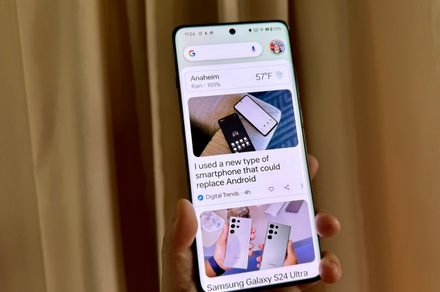
Your Google Discover feed is getting an AI makeover, for better or worse
What’s happened? Google has started experimenting with automatically rewritten, AI-generated headlines inside its Discover feed instead of showing the original headlines written by publishers. According to The Verge, these AI headlines often oversimplify, exaggerate, or completely alter the tone of the original reporting. Google says the feature is only being tested with a small group of users, but for those seeing it live, the experience is already unsettling.
- Google replaces the original headline with a short, AI-generated summary in Discover.
- The AI versions often turn nuanced reporting into vague, clickbait-style phrases.
- Users only see the original publisher headline after tapping “See more.”
- Google says it is a “small experiment” designed to help users decide what to read.
Why this is important: It’s one thing for Google to push AI with its AI mode when we are searching for something. However, news headlines are not just labels; they are context. They frame how you understand a story before you even open it. When an AI system rewrites that framing, it introduces a layer of interpretation that may not match the journalist’s intent, tone, or facts. In fact, some of the rewritten Discover headlines flatten important details and replace them with vague or sensational phrasing.
There is also a trust issue here. News outlets spend time crafting accurate, responsible headlines to avoid misleading readers. If AI rewrites become the first thing you see, it blurs accountability. When a summary is wrong, exaggerated, or confusing, it is no longer clear who is responsible: the publisher or Google’s algorithm. Suppose Discover becomes a feed of AI-written blurbs instead of real headlines. In that case, publishers lose control over how their work is presented, and readers lose a reliable signal of editorial credibility.
Why should I care? For many people, Google Discover is their front page of the internet. If you rely on it for updates on tech, politics, finance, or global news, these AI rewrites could subtly reshape what you believe a story is about before you ever click. A serious investigation can suddenly look like a casual trend piece. A nuanced policy story can turn into a vague curiosity hook. And once that framing sticks in your head, it is hard to undo it fully.
There is also a practical risk. If you are scanning headlines quickly, as most people do, you may skip stories that actually matter because the AI summary sounds dull, confusing, or misleading. Or worse, you may click something expecting one thing and get something entirely different. Either way, your attention, time, and understanding of the news are now being filtered through a system that is not accountable to journalistic standards.
Okay, so what’s next? For now, this is officially just a test, and Google says it is limited to a small group of users. But history shows that many “small experiments” quietly grow into default features. If you start noticing weirdly vague or click-heavy headlines in your Discover feed, that is your cue to be extra cautious and tap through to the original source before trusting what you see. Over the coming weeks, expect more scrutiny from publishers, regulators, and users alike, because this experiment sits right at the uncomfortable intersection of AI automation, platform power, and public trust in journalism.
