Close Menu

    Subscribe to Updates

    Get the latest creative news from FooBar about art, design and business.

    What's Hot

    15% Off Dyson Promo Code | February 2026

    Data Centers Are Driving a US Gas Boom

    Bonjour Visio: France turns digital sovereignty into policy

    Facebook X (Twitter) Instagram
    • Artificial Intelligence
    • Business Technology
    • Cryptocurrency
    • Gadgets
    • Gaming
    • Health
    • Software and Apps
    • Technology
    Facebook X (Twitter) Instagram Pinterest Vimeo
    Tech AI Verse
    • Home
    • Artificial Intelligence

      ChatGPT can embrace authoritarian ideas after just one prompt, researchers say

      January 24, 2026

      Ashley St. Clair, the mother of one of Elon Musk’s children, sues xAI over Grok sexual images

      January 17, 2026

      Anthropic joins OpenAI’s push into health care with new Claude tools

      January 12, 2026

      The mother of one of Elon Musk’s children says his AI bot won’t stop creating sexualized images of her

      January 7, 2026

      A new pope, political shake-ups and celebs in space: The 2025-in-review news quiz

      December 31, 2025
    • Business

      New VoidLink malware framework targets Linux cloud servers

      January 14, 2026

      Nvidia Rubin’s rack-scale encryption signals a turning point for enterprise AI security

      January 13, 2026

      How KPMG is redefining the future of SAP consulting on a global scale

      January 10, 2026

      Top 10 cloud computing stories of 2025

      December 22, 2025

      Saudia Arabia’s STC commits to five-year network upgrade programme with Ericsson

      December 18, 2025
    • Crypto

      Large XRP Whales Sold $800 Million, Will Price Drop Again?

      January 28, 2026

      EMCD x BeInCrypto Webinar Recap: Inflation, Volatility, and Practical Frameworks for Safer Crypto Decisions

      January 28, 2026

      What Does Retail Attention Rotating to Safe Havens Mean for a Potential Silver Top?

      January 28, 2026

      How January’s Sharp Decline in Spot Volume Is Threatening the Crypto Market Structure

      January 28, 2026

      What To Expect From Solana Price In February 2026?

      January 28, 2026
    • Technology

      15% Off Dyson Promo Code | February 2026

      January 29, 2026

      Data Centers Are Driving a US Gas Boom

      January 29, 2026

      Bonjour Visio: France turns digital sovereignty into policy

      January 29, 2026

      Tesla: 2024 was bad, 2025 was worse as profit falls 46 percent

      January 29, 2026

      Site catering to online criminals has been seized by the FBI

      January 29, 2026
    • Others
      • Gadgets
      • Gaming
      • Health
      • Software and Apps
    Check BMI
    Tech AI Verse
    You are at:Home»Technology»How to save a glacier
    Technology

    How to save a glacier

    TechAiVerseBy TechAiVerseMarch 30, 2025No Comments5 Mins Read1 Views
    Facebook Twitter Pinterest Telegram LinkedIn Tumblr Email Reddit
    How to save a glacier
    Share
    Facebook Twitter LinkedIn Pinterest WhatsApp Email

    How to save a glacier

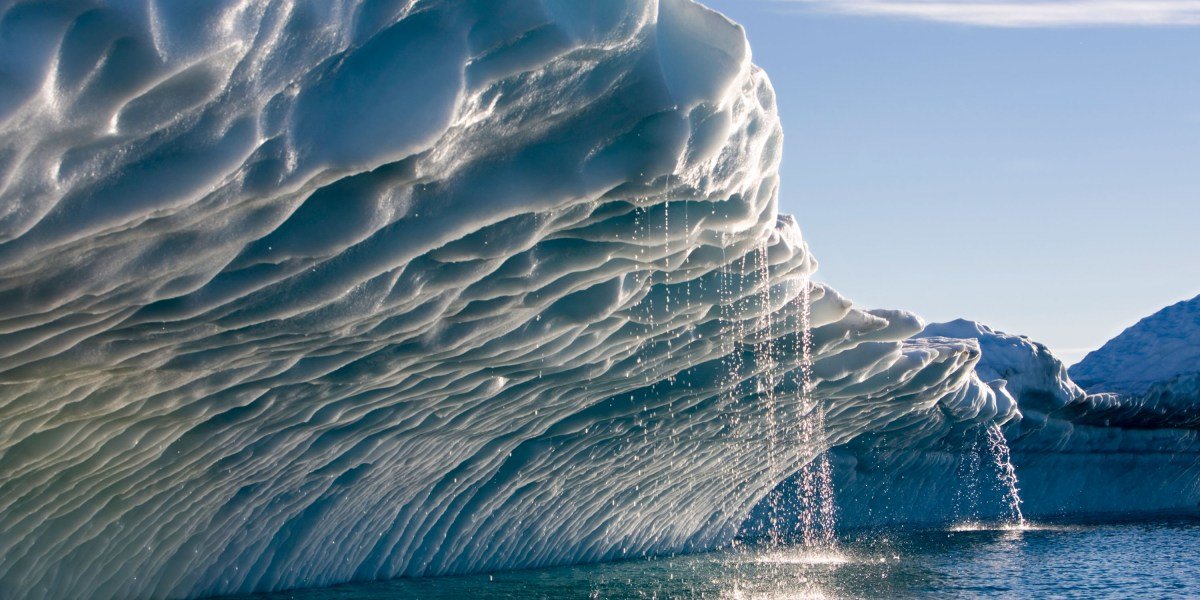
    Glaciers generally move so slowly you can’t see their progress with the naked eye. (Their pace is … glacial.) But these massive bodies of ice do march downhill, with potentially planet-altering consequences.  

    There’s a lot we don’t understand about how glaciers move and how soon some of the most significant ones could collapse into the sea. That could be a problem, since melting glaciers could lead to multiple feet of sea-level rise this century, potentially displacing millions of people who live and work along the coasts.

    A new group is aiming not only to further our understanding of glaciers but also to look into options to save them if things move toward a worst-case scenario, as my colleague James Temple outlined in his latest story. One idea: refreezing glaciers in place.

    The whole thing can sound like science fiction. But once you consider how huge the stakes are, I think it gets easier to understand why some scientists say we should at least be exploring these radical interventions.

    It’s hard to feel very optimistic about glaciers these days. (The Thwaites Glacier in West Antarctica is often called the “doomsday glacier”—not alarming at all!)

    Take two studies published just in the last month, for example. The British Antarctic Survey released the most detailed map to date of Antarctica’s bedrock—the foundation under the continent’s ice. With twice as many data points as before, the study revealed that more ice than we thought is resting on bedrock that’s already below sea level. That means seawater can flow in and help melt ice faster, so Antarctica’s ice is more vulnerable than previously estimated.

    Another study examined subglacial rivers—streams that flow under the ice, often from subglacial lakes. The team found that the fastest-moving glaciers have a whole lot of water moving around underneath them, which speeds melting and lubricates the ice sheet so it slides faster, in turn melting even more ice.

    And those are just two of the most recent surveys. Look at any news site and it’s probably delivered the same gnarly message at some point recently: The glaciers are melting faster than previously realized. (Our site has one, too: “Greenland’s ice sheet is less stable than we thought,” from 2016.) 

    The new group is joining the race to better understand glaciers. Arête Glacier Initiative, a nonprofit research organization founded by scientists at MIT and Dartmouth, has already awarded its first grants to researchers looking into how glaciers melt and plans to study the possibility of reversing those fortunes, as James exclusively reported last week.

    Brent Minchew, one of the group’s cofounders and an associate professor of geophysics at MIT, was drawn to studying glaciers because of their potential impact on sea-level rise. “But over the years, I became less content with simply telling a more dramatic story about how things were going—and more open to asking the question of what can we do about it,” he says.

    Minchew is among the researchers looking into potential plans to alter the future of glaciers. Strategies being proposed by groups around the world include building physical supports to prop them up and installing massive curtains to slow the flow of warm water that speeds melting. Another approach, which will be the focus of Arête, is called basal intervention. It basically involves drilling holes in glaciers, which would allow water flowing underneath the ice to be pumped out and refrozen, hopefully slowing them down.

    If you have questions about how all this would work, you’re not alone. These are almost inconceivably huge engineering projects, they’d be expensive, and they’d face legal and ethical questions. Nobody really owns Antarctica, and it’s governed by a huge treaty—how could we possibly decide whether to move forward with these projects?

    Then there’s the question of the potential side effects. Just look at recent news from the Arctic Ice Project, which was researching how to slow the melting of sea ice by covering it with substances designed to reflect sunlight away. (Sea ice is different from glaciers, but some of the key issues are the same.) 

    One of the project’s largest field experiments involved spreading tiny silica beads, sort of like sand, over 45,000 square feet of ice in Alaska. But after new research revealed that the materials might be disrupting food chains, the organization announced that it’s concluding its research and winding down operations.

    Cutting our emissions of greenhouse gases to stop climate change at the source would certainly be more straightforward than spreading beads on ice, or trying to stop a 74,000-square-mile glacier in its tracks. 

    But we’re not doing so hot on cutting emissions—in fact, levels of carbon dioxide in the atmosphere rose faster than ever in 2024. And even if the world stopped polluting the atmosphere with planet-warming gases today, things may have already gone too far to save some of the most vulnerable glaciers. 

    The longer I cover climate change and face the situation we’re in, the more I understand the impulse to at least consider every option out there, even if it sounds like science fiction. 

    This article is from The Spark, MIT Technology Review’s weekly climate newsletter. To receive it in your inbox every Wednesday, sign up here.

    Share. Facebook Twitter Pinterest LinkedIn Reddit WhatsApp Telegram Email
    Previous ArticleU.S. seized $8.2 million in crypto linked to ‘Romance Baiting’ scams
    Next Article The Download: how people fall for pig butchering schemes, and saving glaciers
    TechAiVerse
    • Website

    Jonathan is a tech enthusiast and the mind behind Tech AI Verse. With a passion for artificial intelligence, consumer tech, and emerging innovations, he deliver clear, insightful content to keep readers informed. From cutting-edge gadgets to AI advancements and cryptocurrency trends, Jonathan breaks down complex topics to make technology accessible to all.

    Related Posts

    15% Off Dyson Promo Code | February 2026

    January 29, 2026

    Data Centers Are Driving a US Gas Boom

    January 29, 2026

    Bonjour Visio: France turns digital sovereignty into policy

    January 29, 2026
    Leave A Reply Cancel Reply

    Top Posts

    Ping, You’ve Got Whale: AI detection system alerts ships of whales in their path

    April 22, 2025643 Views

    Lumo vs. Duck AI: Which AI is Better for Your Privacy?

    July 31, 2025241 Views

    6.7 Cummins Lifter Failure: What Years Are Affected (And Possible Fixes)

    April 14, 2025143 Views

    6 Best MagSafe Phone Grips (2025), Tested and Reviewed

    April 6, 2025111 Views
    Don't Miss
    Technology January 29, 2026

    15% Off Dyson Promo Code | February 2026

    15% Off Dyson Promo Code | February 2026If you’re hunting for a new vacuum, Dyson…

    Data Centers Are Driving a US Gas Boom

    Bonjour Visio: France turns digital sovereignty into policy

    Tesla: 2024 was bad, 2025 was worse as profit falls 46 percent

    Stay In Touch
    • Facebook
    • Twitter
    • Pinterest
    • Instagram
    • YouTube
    • Vimeo

    Subscribe to Updates

    Get the latest creative news from SmartMag about art & design.

    About Us
    About Us

    Welcome to Tech AI Verse, your go-to destination for everything technology! We bring you the latest news, trends, and insights from the ever-evolving world of tech. Our coverage spans across global technology industry updates, artificial intelligence advancements, machine learning ethics, and automation innovations. Stay connected with us as we explore the limitless possibilities of technology!

    Facebook X (Twitter) Pinterest YouTube WhatsApp
    Our Picks

    15% Off Dyson Promo Code | February 2026

    January 29, 20261 Views

    Data Centers Are Driving a US Gas Boom

    January 29, 20262 Views

    Bonjour Visio: France turns digital sovereignty into policy

    January 29, 20261 Views
    Most Popular

    A Team of Female Founders Is Launching Cloud Security Tech That Could Overhaul AI Protection

    March 12, 20250 Views

    7 Best Kids Bikes (2025): Mountain, Balance, Pedal, Coaster

    March 13, 20250 Views

    VTOMAN FlashSpeed 1500: Plenty Of Power For All Your Gear

    March 13, 20250 Views
    © 2026 TechAiVerse. Designed by Divya Tech.
    • Home
    • About Us
    • Contact Us
    • Privacy Policy
    • Terms & Conditions

    Type above and press Enter to search. Press Esc to cancel.