

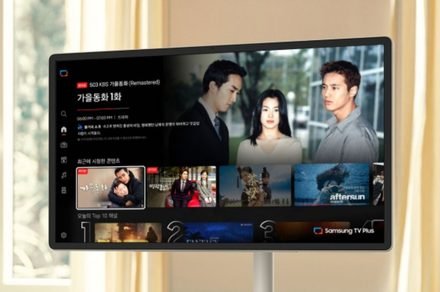
Samsung’s latest AI trick upscales old K-Dramas to 4K quality on TVs
By applying AI upscaling at the channel level, Samsung is turning nostalgia into a quiet showcase for why modern TVs are as much about software as they are about panels.
The Korean tech giant Samsung has quietly rolled out a new AI-powered feature on Samsung TV Plus, focusing solely on one thing: old K-dramas.
It has launched a dedicated channel that streams classic Korean dramas from the 2000s, but there’s a twist: they’re being upscaled to 4K using Samsung’s AI video processing technology.
Instead of remastering each show (which would take an immense amount of time and resources), Samsung is applying its on-device AI upscaling technology across the entire channel, cleaning up old Korean dramas in real time.
Making old shows watchable on big 4K screens
So, expect to see sharper edges, improved textures, and reduced noise. It is the same AI wizardry the company uses on its premium smart TVs, now implemented at the streaming level in TV Plus.
Classic Korean dramas are immensely popular, but not all of them age well (in terms of video quality), especially when viewing them on modern 55-inch or 65-inch 4K screens that don’t offer real-time upscaling.
By using AI to upscale an entire channel, Samsung is solving a growing problem for streaming platforms: how to make relatively older content watchable on modern displays.
If you’ve ever tried rewatching your favorite Korean drama only to be distracted by blurry faces or grainy textures, this update could benefit you.
Samsung TV Plus is free: it doesn’t require a subscription, and now, it offers older Korean dramas that look decent on bigger screens. The company hasn’t announced whether and when the AI upscaling will expand to Korean dramas, but the technology sure looks promising.
If it works well, other genres or entire TV Plus channels could get similar upgrades, improving the overall visual quality for users. In the long term, the feature could start a trend in which streaming services stop relying on resource-intensive remastering of content and shift more toward real-time AI processing.
For more than five years, Shikhar has consistently simplified developments in the field of consumer tech and presented them…
Netflix is adding more video podcasts for your eyes (and ears)
Netflix has struck a major partnership with iHeartMedia to bring more than 15 video podcasts exclusively to its streaming service in early 2026.
Netflix and iHeartMedia have agreed on a multi-year deal that will bring more than 15 of iHeart’s top podcasts to the streaming platform starting in early 2026. They’ll be available as exclusive video podcasts in the United States, with plans to expand to more later.
The lineup of podcasts includes The Breakfast Club, My Favorite Murder, Dear Chelsea, Bobby Bones Presents: The Bobbycast, Joe and Jada, and This Is Important. As part of the agreement, iHeart will share all new video episodes, along with select episodes from the existing library.
Meta’s new open-source AI tool helps you clean up noisy recordings just by typing
It supports text, visual, and time-based prompts for precise sound separation.
Cleaning up audio usually means scrubbing timelines and tweaking filters, but Meta thinks it should be as easy as describing the sound you want. The company has released a new open-source AI model called SAM Audio that can isolate almost any sound from a complex recording using simple text prompts.
Users can pull out specific noises like voices, instruments, or background sounds without digging through complicated editing software. The model is now available through Meta’s Segment Anything Playground that houses other prompt-based image and video editing tools.
Texas just put smart TV privacy lawsuit on trial, and it could affect your home
Paxton alleges ACR monitors viewing in real time and sends it back to the company without clear permission.
Texas Attorney General Ken Paxton says his office has filed a smart TV privacy lawsuit against five television companies, arguing that some smart TV features crossed the line from convenience into covert tracking.
In a public statement, the office names Sony, Samsung, LG, plus Hisense and TCL Technology Group Corporation (TCL). Texas notes Hisense and TCL are based in China, and it frames the cases around what it describes as unlawful data collection happening inside people’s homes.
